-
Shop
- Adidas
- Advanced Technologies
- AI Skills Mastery 2026 Collection
- Apple Accessories
- Best-Sellers
- Car Accessories
- Dating & Social Confidence
- Dating & Social Skills
- Digital Resources
- Education & Learning
- Family & Parenting
- Fashion
- Fashion Accessories
- Furniture
- Gadgets
- Health & Beauty
- Health & Wellness
- Home & Garden
- Home Supplies
- Kids & Babies
- Kitchen Best-Sellers
- Lighting
- Nike
- Patio, Lawn & Garden
- Personal Growth
- Pet Care
- Pet Supplies
- Pets
- Shoes
- Sport & Outdoors
- Stress Relief & Relaxation
- Summer 2025 Fashion Collection
- Sunglasses
- Super Deals
- Travel
- Travel & Outdoors
- Wealth
- Wealth Building
- Women’s Wellness & Lifestyle
- Popular
- Best deals
Clean Brushes Fast: Silicone Bowl + Puff Storage
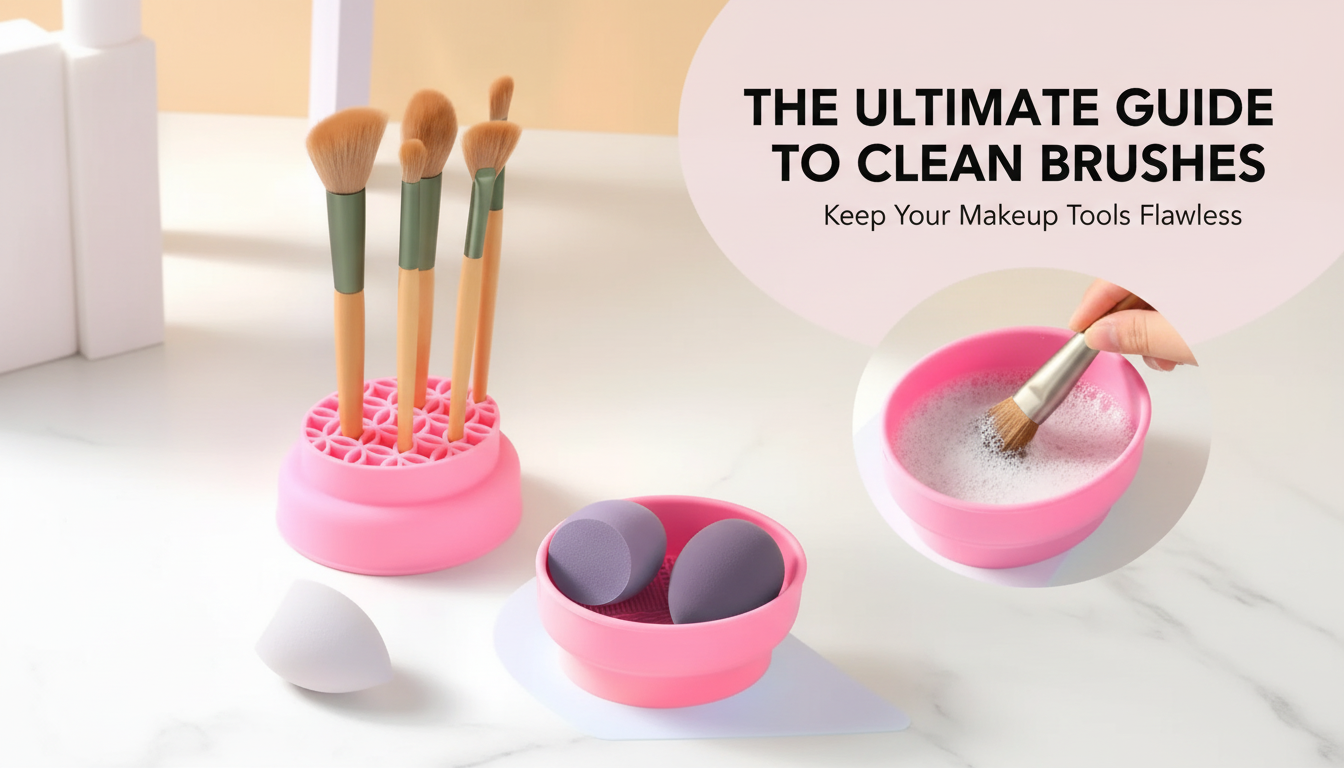
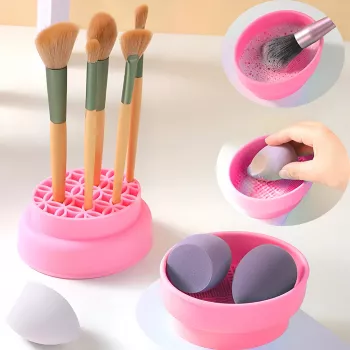
Silicone Makeup Brush Cleaner & Drying Bowl with Puff Storage
Keeping brushes and puffs clean is one of the fastest ways to improve how makeup applies and how long tools last. A silicone cleaning bowl that also supports drying and stores puffs streamlines the whole routine—wash, rinse, dry, and put everything back in one place without cluttering the sink area. For more guidance, see [PDF] STUDY GUIDE: HOUSEWARES.
If you’re building a simpler, more hygienic setup, the Silicone Makeup Brush Cleaner & Drying Bowl with Puff Storage is designed to make frequent quick washes easier to stick with—especially when liquid foundation, concealer, and cream blush are in the daily rotation. For further reading, see PFAS-Free Products.
What This Tool Does (Cleaner, Drying Bowl, and Puff Storage in One)
A multitasking silicone bowl is more than a textured mat. The bowl shape holds water and cleanser in one contained space, while the silicone textures help loosen makeup trapped near the base of the bristles.
- Combines textured silicone surfaces for loosening product buildup with a bowl shape that contains water and cleanser.
- Supports a cleaner workflow: pre-rinse, swirl, deep-clean on textures, rinse, then set tools to dry.
- Built-in storage compartment keeps puffs protected from countertop dust and splashes.
- Designed for frequent, quick washes that help prevent old makeup residue from hardening in bristles.
Key Features to Look For in a Silicone Brush-Cleaning Bowl
Not all silicone brush cleaners feel the same in real use. The best ones combine several texture zones with a stable bowl shape so you can move from “quick refresh” to “deeper clean” without switching tools.
- Multiple texture zones: fine ridges for small eye brushes, wider grooves for face brushes, and nubs for stubborn foundation residue.
- Stable base or grippy silicone to reduce sliding when hands are wet.
- Bowl depth that prevents splashing while allowing full brush head submersion during rinsing.
- Puff storage that closes securely and allows airflow to reduce lingering dampness.
- Easy-to-rinse silicone that doesn’t hold onto cleanser fragrance or pigment.
How Different Features Help in Real Use
| Feature | Why it matters | Best for |
|---|---|---|
| Fine ridges | Targets narrow brush heads without splaying bristles | Detail, liner, and crease brushes |
| Wide grooves | Moves water through dense bristles to lift cream products | Foundation and concealer brushes |
| Raised nubs | Adds friction for long-wear formulas and dried residue | Stippling and buffing brushes |
| Deep bowl walls | Helps contain water and foam; less mess at the sink | Quick weekly cleanups |
| Puff storage compartment | Keeps puffs contained and easier to rotate between clean/drying | Cushion puffs and powder puffs |
Step-by-Step: Wash Brushes Without Damaging Them
A gentle method protects the glue in the ferrule (the metal part) and helps brushes keep their shape. The goal is to lift product with light friction—without aggressive twisting that can flare bristles over time.
- Wet bristles with lukewarm water while keeping the ferrule as dry as possible.
- Add a small amount of gentle cleanser into the bowl; swirl to create light suds.
- Move the brush in short strokes over the silicone textures; avoid aggressive twisting.
- Rinse until water runs clear; repeat briefly on textures if pigment remains.
- Gently squeeze out water with a clean towel, reshape the brush head, and set aside to dry.
For general hygiene guidance on makeup tools, the American Academy of Dermatology Association shares practical tips on routine cleaning: How to clean makeup brushes.
How to Clean Makeup Puffs and Store Them Hygienically
Makeup puffs tend to hold onto base products deep inside the foam. Gentle pressing helps push cleanser through without tearing the material.
- Soak the puff briefly in lukewarm water, then work cleanser through the foam with gentle pressing (not wringing).
- Rinse and press repeatedly until no makeup-tinted water releases.
- Pat dry with a towel to remove excess moisture before placing into the storage area.
- Rotate puffs: keep a “drying” puff separate from a “ready-to-use” puff if the compartment design allows.
- Replace puffs that develop persistent odor, tearing, or a texture that won’t fully rinse clean.
For broader cosmetic safety and hygiene reminders, the FDA’s consumer guidance is a helpful reference point: Cosmetics Safety.
Drying Tips: Faster Dry Time, Better Brush Shape
Drying is where many tools get accidentally shortened lifespans—usually when water seeps into the ferrule or heat damages the glue. A drying-friendly setup keeps everything organized while you wait for full air-dry.
Care and Maintenance for Silicone Tools
Who It’s For
Complete the Routine with Complementary Tools
- Silicone Makeup Brush Cleaner & Drying Bowl with Puff Storage for wash + dry staging + puff storage in one spot.
- 6-in-1 Hair Dryer Brush & Curling Iron Set – Ionic Hot Air Styler for All Hair Types to reduce the number of separate hair tools you store and clean around the sink area.
FAQ
How often should makeup brushes and puffs be cleaned?
Most face brushes do best with a weekly wash, while brushes used for foundation or concealer often need cleaning every few uses to prevent buildup. Eye brushes can be washed every 1–2 weeks depending on how often they’re used, and puffs should typically be cleaned every 1–3 uses—especially for acne-prone or sensitive skin.
Can silicone cleaning textures damage brush bristles?
Silicone textures are generally gentle; most damage comes from pressing too hard, twisting the brush aggressively, or using hot water. Use light pressure with short strokes, then reshape bristles before drying to help them keep their original form.
What cleanser works best for removing foundation from dense brushes?
A gentle brush shampoo or mild soap works well for routine cleaning, but heavy foundation buildup may remove faster with a two-step cleanse (an oil-based cleanser first, followed by gentle soap). Rinse thoroughly until water runs clear so no cleanser residue stays in the bristles.














Leave a comment