-
Shop
- Adidas
- Advanced Technologies
- AI Skills Mastery 2026 Collection
- Apple Accessories
- Best-Sellers
- Car Accessories
- Dating & Social Confidence
- Dating & Social Skills
- Digital Resources
- Education & Learning
- Family & Parenting
- Fashion
- Fashion Accessories
- Furniture
- Gadgets
- Health & Beauty
- Health & Wellness
- Home & Garden
- Home Supplies
- Kids & Babies
- Kitchen Best-Sellers
- Lighting
- Nike
- Patio, Lawn & Garden
- Personal Growth
- Pet Care
- Pet Supplies
- Pets
- Shoes
- Sport & Outdoors
- Stress Relief & Relaxation
- Summer 2025 Fashion Collection
- Sunglasses
- Super Deals
- Travel
- Travel & Outdoors
- Wealth
- Wealth Building
- Women’s Wellness & Lifestyle
- Popular
- Best deals
Fried Ice Cream Roll Machine Guide for Events & Shops
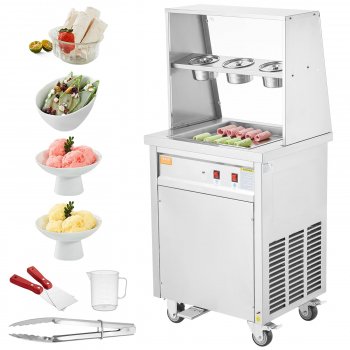
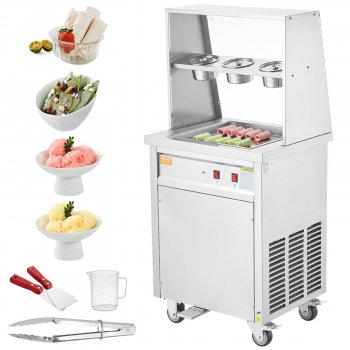
Fried Ice Cream Roll Machine for Rolled Desserts, Events, and Small Shops
A fried ice cream roll machine brings the rolled-ice-cream experience to pop-ups, home kitchens, and dessert counters by freezing a thin ice cream base on a cold plate and shaping it into tidy rolls. The right setup depends on where it will be used, how many servings are expected per hour, and how easy it is to keep the station clean and food-safe.
What a Fried Ice Cream Roll Machine Does
A rolled dessert machine centers on a chilled metal plate that freezes a liquid base quickly enough to let you chop, fold, and shape mix-ins in real time.
- Uses a chilled metal plate to rapidly freeze an ice cream base while mix-ins are chopped and folded in.
- Creates thin sheets that can be scraped into rolls, then plated with toppings.
- Common use cases: parties and events, food trucks, kiosks, cafés, and at-home dessert bars.
- Typical workflow: pre-chill → pour base → add mix-ins → spread thin → scrape into rolls → serve immediately.
The “fried” part is mostly about the show and the texture—fast freezing, quick mixing, and the dramatic scrape—rather than deep frying. With a steady rhythm, one operator can assemble custom servings back-to-back without tying up a freezer.
Key Parts and Features That Matter
Rolled ice cream is simple on paper, but consistent results come from a few practical details that impact freezing speed, roll quality, and cleanup.
- Cold plate surface: A smooth, scratch-resistant plate helps with even freezing and clean scraping.
- Temperature control: Look for stable cooling that can handle repeated batches without long recovery time.
- Build quality and housing: A sturdy frame reduces vibration and keeps the station stable during chopping and scraping.
- Drainage and condensation handling: A thoughtful layout helps prevent puddling around the work area.
- Included tools: Scrapers/spatulas, mix-in cups, and portioning tools improve consistency and speed.
- Power requirements: Confirm outlet type/voltage, amperage, and whether a dedicated circuit is needed for commercial settings.
- Noise and heat output: Important for indoor counters and small rooms where guests are close to the station.
Also consider workflow details: a place for a cold base container, an organized mix-in rail, and a landing zone for cups and spoons. The less reaching and searching, the faster (and cleaner) each serving becomes.
How to Choose the Right Size for Your Setting
Choosing the “right” machine is less about hype and more about matching expected volume, available counter space, and the reality of transport and sanitation.
- Home use: Prioritize compact footprint, straightforward controls, and easier storage; plan for smaller batch volume.
- Events and pop-ups: Prioritize quicker recovery between servings, portability (handles/wheels if applicable), and a simple cleaning routine.
- Small shop counter: Prioritize consistency across peak hours, durable plate surface, and an organized station layout for speed.
- Portability checklist: Machine weight, overall dimensions, ability to transport upright, and whether it fits on standard folding tables or counters.
- Throughput planning: Estimate servings per hour and confirm the machine can maintain freezing performance under continuous use.
Quick selection checklist by scenario
| Scenario | Top priorities | Notes to verify before buying |
|---|---|---|
| Home | Compact size, simple controls, easier cleanup | Storage space, countertop stability, outlet compatibility |
| Parties & pop-ups | Fast recovery, portability, quick wipe-down | Transport plan, setup time, condensation management |
| Food truck/kiosk | Durability, consistent cooling, organized workflow | Power draw, ventilation clearance, service access |
| Café/shop counter | Peak-hour consistency, robust build, tidy station layout | Daily cleaning routine, staff training, tool replacement |
Setup Tips for Better Rolls and Faster Service
Small adjustments can dramatically improve roll shape and reduce wait time, especially during a rush.
- Pre-chill properly: Allow the plate to reach working temperature before the first batch to prevent soft, uneven sheets.
- Use a consistent base: Keep the liquid base cold before pouring to shorten freeze time and improve texture.
- Control portion size: Smaller pours freeze faster and are easier to roll; oversized batches often crack or smear.
- Mix-ins strategy: Chop fine for even distribution; add delicate items (cookies, brownies) after the base begins to thicken.
- Sheet thickness: Spread into a thin, even layer for clean rolls; thick spots create irregular curls.
- Scraping technique: Keep the scraper edge flat and steady; scrape in long strokes to form uniform rolls.
Cleaning, Food Safety, and Maintenance
For baseline references on safe food handling and sanitation expectations, review the FDA Food Code and the CDC’s food safety guidance. For power setup awareness in commercial environments, consult OSHA electrical safety resources.
Product Option: Fried Ice Cream Roll Machine
Optional add-on for customer comfort
Cloud Modular Sectional Sofa with Deep Seats and Storage Ottomans
FAQ
How long does it take to make a serving of rolled ice cream?
Once the plate is fully pre-chilled, a serving often takes about 2–5 minutes depending on plate temperature, how cold the base is, and how much you pour. The initial pre-chill before the first order can take additional time, so turning the machine on early helps service stay smooth.
Can a fried ice cream roll machine be used indoors?
Indoor use is common, as long as the unit has adequate ventilation clearance, sits on a stable counter, and is connected to the correct outlet or circuit for its power draw. In tighter spaces, also plan for heat and noise so the station stays comfortable for staff and guests.
What’s the easiest way to clean the cold plate without damaging it?
Wipe the plate while it’s still manageable between batches using a soft, non-abrasive cloth and a cleaner approved by the manufacturer. Avoid scouring pads that can scratch the surface, and follow sanitizer contact-time guidance for food-contact surfaces.













Leave a comment