-
Shop
- Adidas
- Advanced Technologies
- AI Skills Mastery 2026 Collection
- Apple Accessories
- Best-Sellers
- Car Accessories
- Dating & Social Confidence
- Dating & Social Skills
- Digital Resources
- Education & Learning
- Family & Parenting
- Fashion
- Fashion Accessories
- Furniture
- Gadgets
- Health & Beauty
- Health & Wellness
- Home & Garden
- Home Supplies
- Kids & Babies
- Kitchen Best-Sellers
- Lighting
- Nike
- Patio, Lawn & Garden
- Personal Growth
- Pet Care
- Pet Supplies
- Pets
- Shoes
- Sport & Outdoors
- Stress Relief & Relaxation
- Summer 2025 Fashion Collection
- Sunglasses
- Super Deals
- Travel
- Travel & Outdoors
- Wealth
- Wealth Building
- Women’s Wellness & Lifestyle
- Popular
- Best deals
Silicone Baby Feeding Set: 3 Suction Dishes + Sippy
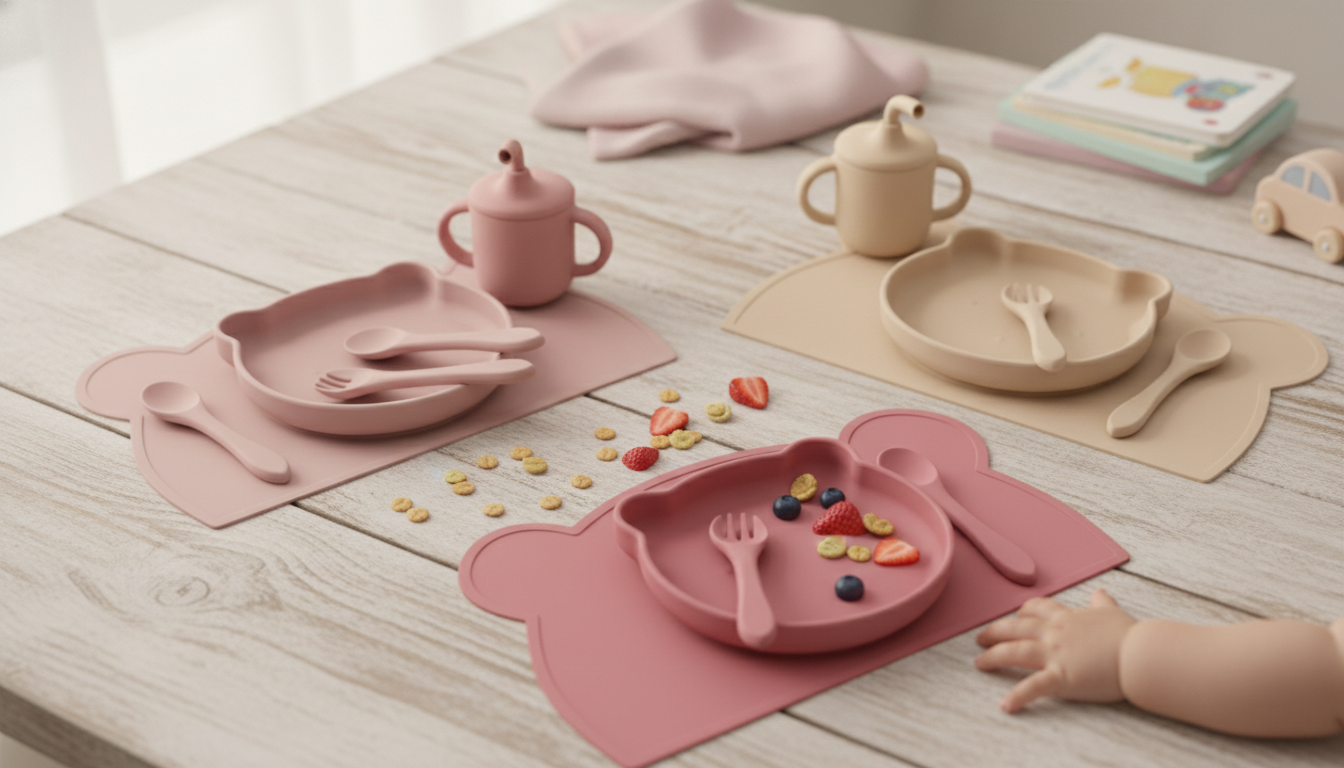
5-Piece Silicone Baby Feeding Set with Suction Dishes & Sippy Cup
Mealtimes get easier when a baby’s bowls stay put, portions are simple to serve, and drink transitions feel natural. This 5-piece silicone set is designed for everyday feeding—whether starting purees, exploring baby-led weaning, or practicing independent sips—with suction dishes to reduce spills and a sippy cup sized for little hands.
If you’re building a dependable routine for breakfast, lunch, and dinner, a coordinated feeding kit helps keep setup consistent and cleanup simpler. For families who want a ready-to-go solution, the 5-Piece Silicone Baby Feeding Set with Suction Dishes & Sippy Cup is a practical option for daily meals at home or snacks on the go.
What’s Included in the Set
This is a coordinated set built for daily meals and snacks, from first tastes through toddler feeding routines. The suction dishes help anchor food during scooping and self-feeding practice, while the sippy cup supports a gradual shift from bottle feeding toward more independent drinking. Silicone construction also tends to be gentler on gums and less risky around high chairs and tabletops than rigid materials.
Set Overview
| Piece | Purpose | Why It Helps at Mealtime |
|---|---|---|
| Suction dish (1) | Serve main foods | Stays in place to reduce tipping during scooping |
| Suction dish (2) | Serve sides or snacks | Supports portioning and prevents sliding |
| Suction dish (3) | Backup dish or second course | Makes it easier to rotate foods and keep meals moving |
| Sippy cup | Practice independent drinking | Sized for small hands; helps reduce spills compared with open cups |
| Accessory piece | Feeding support item (varies by set) | Completes the routine for serving and transitioning skills |
Why Silicone Works Well for Baby Feeding
Silicone is a popular choice for baby tableware because it balances comfort and durability. The gentle texture can feel softer than hard plastic or metal—especially helpful during teething periods when gums are sensitive. Many parents also appreciate silicone’s grip-friendly feel, which can make it easier for small hands to hold items with less slipping.
For everyday life, silicone is designed to handle drops and frequent washing without shattering. It’s also often used across typical hot and cold meal routines, though it’s still important to follow the item’s care instructions for specific temperature and cleaning limits. For broader guidance on food-related materials and safety considerations, the U.S. Food & Drug Administration provides information on food contact substances.
Suction Dishes: How to Get the Best Hold
Suction works best when you treat it like a simple seal: surface prep matters as much as the dish itself. A clean, dry, smooth surface is the biggest factor in getting a strong hold. Sealed high-chair trays and non-porous tables are usually ideal, while textured wood or worn plastic can reduce grip.
- Start clean and dry: Wipe the tray/table and the dish base; moisture can weaken the seal.
- Press firmly: Push at the center and around the base to remove trapped air.
- Check for crumbs: Even tiny bits under the rim can break suction and allow sliding.
- Use a “peel” technique for removal: Lift an edge to break the seal so dishes come off smoothly without sudden spills.
Sippy Cup Support for Drinking Skills
A sippy cup can be a practical step between bottle and open cup because it encourages independent holding and controlled sipping. It also supports water practice during meals, helping hydration become part of the routine without constant caregiver assistance.
Many families find it easiest to introduce cup practice in short, predictable sessions (a few minutes at meals), then increase use as skills improve. If a child coughs, gulps, or seems overwhelmed by flow, encourage smaller sips and an upright posture. For general feeding readiness and safe transitions, the American Academy of Pediatrics offers guidance on starting solid foods, and the CDC shares nutrition resources for infants and toddlers.
Cleaning, Odor Prevention, and Daily Care
Silicone is generally easy to maintain, but odors and stains can build up if food residue lingers—especially with tomato, curry, or garlic. A simple, consistent care routine keeps pieces fresh and ready for the next meal.
- Wash promptly: Quick cleanup helps reduce staining and lingering smells.
- Choose mild soap: Fragrance-free dish soap can help prevent scent transfer to food.
- Rinse thoroughly: Leftover detergent residue can trap odors over time.
- Air-dry completely: Moisture in creases or lids can cause smells to linger.
- Deodorize if needed: If odor appears, soak in a baking-soda-and-water solution, rinse well, and dry—while following the product’s official care guidance.
- Inspect regularly: Replace items if tears or surface damage appear.
Safety and Comfort Checklist
A Simple Routine for Less Mess and More Independence
Who This Set Is Best For
More In-Stock Picks
- 6-in-1 Hair Dryer Brush & Curling Iron Set – Ionic Hot Air Styler for All Hair Types
- Waterproof Dog Coat for Small and Medium Dogs – Lightweight and Warm
- Cloud Modular Sectional Sofa with Deep Seats and Storage Ottomans
FAQ
Do suction dishes work on all high-chair trays and tables?
No—suction works best on smooth, clean, non-porous surfaces. Textured, scratched, or worn trays can reduce hold, so drying the surface and pressing firmly to seal usually improves performance.
How can silicone dishes and cups be cleaned to prevent lingering smells?
Wash promptly with mild soap, rinse thoroughly, and let everything air-dry completely. If odors persist, a baking-soda-and-water soak can help, as long as it aligns with the product’s care instructions.
When is a baby ready to start using a sippy cup?
Many babies are ready when they can sit with support, bring items to their mouth, and show interest in drinking during meals. For individualized timing—especially if coughing or swallowing concerns appear—check with a pediatrician.
Recommended for you


1500 Lumen Smart Bike Headlight: IP66, Alloy Body
Jun 14, 2026













Leave a comment