-
Shop
- Adidas
- Advanced Technologies
- AI Skills Mastery 2026 Collection
- Apple Accessories
- Best-Sellers
- Car Accessories
- Dating & Social Confidence
- Dating & Social Skills
- Digital Resources
- Education & Learning
- Family & Parenting
- Fashion
- Fashion Accessories
- Furniture
- Gadgets
- Health & Beauty
- Health & Wellness
- Home & Garden
- Home Supplies
- Kids & Babies
- Kitchen Best-Sellers
- Lighting
- Nike
- Patio, Lawn & Garden
- Personal Growth
- Pet Care
- Pet Supplies
- Pets
- Shoes
- Sport & Outdoors
- Stress Relief & Relaxation
- Summer 2025 Fashion Collection
- Sunglasses
- Super Deals
- Travel
- Travel & Outdoors
- Wealth
- Wealth Building
- Women’s Wellness & Lifestyle
- Popular
- Best deals
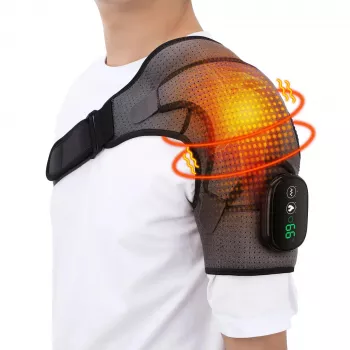
Heat + Massage Shoulder Brace for Daily Tightness Relief

Adjustable Heating Shoulder Massage Brace for Muscle Relaxation
Shoulder tightness can build up from workouts, repetitive lifting, and long hours at a desk. An adjustable shoulder brace with built-in heat and massage offers a practical way to ease muscle tension, warm stiff areas, and support comfortable recovery—without complicated setups. When used thoughtfully, it can become a go-to tool for winding down after busy days and helping the shoulder feel looser for gentle movement.
What this shoulder brace is designed to do
An adjustable heating shoulder massage brace is made for targeted comfort in a spot that commonly “holds” stress: the upper shoulder and deltoid area. Instead of relying on a heating pad that slips or a massage tool that requires constant hand pressure, a wrap-style design aims to keep warmth and soothing stimulation focused where soreness tends to collect.
- Combines targeted heat and massage to help loosen tense shoulder muscles and improve comfort after activity or prolonged sitting.
- Wrap-style design aims to stay in place on the shoulder so warmth and massage focus where soreness commonly collects (upper shoulder, deltoid area, and surrounding soft tissue).
- Adjustable fit helps accommodate different body sizes and allows pressure to be fine-tuned for comfort.
- Intended for everyday muscle relaxation and non-medical support; persistent pain, numbness, or injury symptoms require clinical guidance.
Quick overview: comfort features and what they help with
| Feature | What it supports | Best use moments |
|---|---|---|
| Adjustable shoulder wrap | More stable positioning and personalized compression feel | Sitting at a desk, relaxing on a couch, post-activity downtime |
| Heat function | Warmth that can reduce stiffness and improve comfort | Before gentle stretching, after long periods of stillness |
| Massage function | Soothing stimulation for tense areas | After workouts, end-of-day shoulder tightness |
| Hands-free wear | Allows light tasks while using it (depending on intensity) | Reading, TV, sedentary work breaks |
How heat and massage support muscle relaxation
Heat and massage are two of the most commonly used comfort modalities for tight, overworked muscles. Warming the area can make stiffness feel less “grippy,” which often makes slow movement and light stretching more comfortable. Guidance from sources like the Cleveland Clinic’s heat therapy overview highlights how heat is typically used to relax muscles and ease stiffness.
Massage-style stimulation can also help reduce the perception of tightness and encourage relaxation—especially after repetitive use of the shoulder (lifting, pressing, throwing, or long hours of mousing and typing). For an evidence-based overview of massage therapy and what to consider, see the NCCIH massage therapy guide.
- Heat therapy is commonly used to ease muscle stiffness by increasing tissue warmth, which can make gentle movement and stretching feel more comfortable.
- Massage-style stimulation may help reduce the perception of tightness and encourage relaxation in overworked muscles.
- Using heat first, then massage (or combining them if the device allows) often feels best for end-of-day tightness; using heat alone can be preferable for sensitivity.
- For acute injuries with swelling, heat may be inappropriate early on; consider professional advice if pain started suddenly after a specific incident.
Fit, adjustability, and comfort considerations
Fit can determine whether a shoulder brace feels soothing or simply annoying. A wrap that’s too loose may shift away from the sore spot, while one that’s overly tight can feel restrictive—especially near the neck and underarm where rubbing can happen during movement.
- A secure but comfortable wrap matters: too loose can reduce effectiveness; too tight can feel restrictive or cause skin irritation.
- Adjustability is useful for layering over a thin shirt or wearing directly on the skin (if the material is skin-friendly and instructions allow).
- Pay attention to strap placement so it doesn’t rub the neck or underarm during use.
- If one shoulder is higher/tighter, micro-adjusting tension can improve comfort and keep the heat/massage centered on the sore area.
For most people, the “right” setting is the one you forget about a few minutes in—steady warmth, gentle pressure, and stimulation that feels calming rather than aggressive.
Simple routine for best results
A straightforward routine tends to work better than cranking intensity. Start small, learn how your body responds, and build consistency.
- Start with short sessions to assess comfort—especially the first few uses—then gradually increase time if it feels helpful.
- Pair with gentle mobility: slow shoulder rolls, scapular retractions, and light doorway chest stretches after warming can feel more effective than heat alone.
- Hydration and short movement breaks (every 45–60 minutes during desk work) help reduce the cycle of tightening.
- Consistency tends to matter more than intensity; moderate settings used regularly can be more comfortable than high intensity used sporadically.
Safety notes and who should be cautious
Care and maintenance for long-term use
When it can be especially useful
Product options in stock
In-stock selection
| Product | Price | Availability |
|---|---|---|
| Adjustable Heating Shoulder Massage Brace for Muscle Relaxation | 77.49 USD | In stock |
| Cloud Modular Sectional Sofa with Deep Seats and Storage Ottomans | 2555.80 USD | In stock |
| 6-in-1 Hair Dryer Brush & Curling Iron Set – Ionic Hot Air Styler for All Hair Types | 123.49 USD | In stock |
FAQ
How long should a heating shoulder massage brace be used in one session?
Start with a short session to gauge comfort (often 10–15 minutes), then adjust based on how your skin and muscles respond. Avoid prolonged use that causes redness, numbness, or discomfort.
Is it better to use heat or massage first for shoulder tightness?
Heat first can help ease stiffness and make the area feel more receptive, then massage afterward may feel more soothing. If sensitivity is high, use lower settings or choose heat alone.
Can a shoulder heat/massage brace help with posture-related tension?
It can help relax tight muscles that contribute to discomfort, but lasting improvement usually also requires posture habits, strengthening the upper back, and regular movement breaks.













Leave a comment