-
Shop
- Adidas
- Advanced Technologies
- AI Skills Mastery 2026 Collection
- Apple Accessories
- Best-Sellers
- Car Accessories
- Dating & Social Confidence
- Dating & Social Skills
- Digital Resources
- Education & Learning
- Family & Parenting
- Fashion
- Fashion Accessories
- Furniture
- Gadgets
- Health & Beauty
- Health & Wellness
- Home & Garden
- Home Supplies
- Kids & Babies
- Kitchen Best-Sellers
- Lighting
- Nike
- Patio, Lawn & Garden
- Personal Growth
- Pet Care
- Pet Supplies
- Pets
- Shoes
- Sport & Outdoors
- Stress Relief & Relaxation
- Summer 2025 Fashion Collection
- Sunglasses
- Super Deals
- Travel
- Travel & Outdoors
- Wealth
- Wealth Building
- Women’s Wellness & Lifestyle
- Popular
- Best deals
EMS Cooling Massager: De-Puff, Lift & Soothe Neck
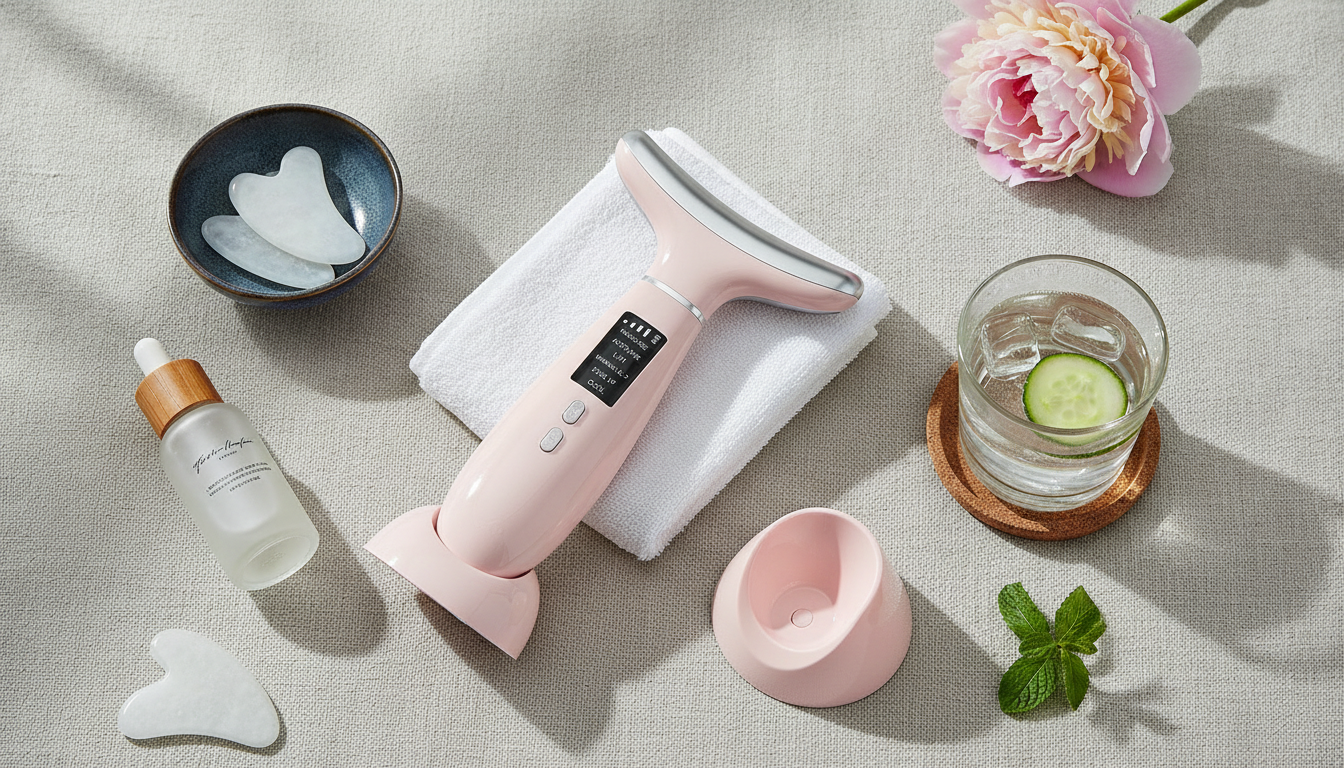
EMS Cooling Neck and Face Massager: Daily Cooling Lift and Neck Relief at Home
A cooling-and-EMS routine can help refresh tired skin, ease the feeling of neck tension, and support a firmer-looking appearance—without complicated steps. This guide breaks down how an EMS cooling neck and face massager works, what to expect, how to use it comfortably, and what features matter most for safe, consistent results. For more guidance, see Development of Home Beauty Devices for Facial Rejuvenation – PMC.
What it is and what it can do
An EMS cooling neck and face massager blends two sensations in one handheld tool: a cool contact surface and gentle electrical stimulation (often described as microcurrent-style). Used consistently and comfortably, it can support a refreshed, toned look—especially along areas that easily hold puffiness or feel tense. For further reading, see [PDF] New Mexico EMS Treatment Guidelines.
- Combines cooling contact with EMS microcurrent-style stimulation to support a refreshed, toned look
- Targets common areas: jawline, cheeks, under-eye (only if the device is designed for it), neck and upper shoulder line
- Cooling sensation can help reduce the look of puffiness and calm heat or post-workout facial flush
- EMS sensation can feel like gentle tapping or pulsing; intensity should remain comfortable
How cooling and EMS work together
Cooling and EMS can complement each other when used with a light hand and a short routine. Cooling tends to feel instantly soothing, while EMS is more about gradual, subtle improvements in how “awake” and lifted the face and neck appear over time.
- Cooling helps constrict the look of temporary swelling and supports a smoother, calmer feel after skincare or sun exposure (not as a substitute for sun care)
- EMS sends small electrical impulses that encourage muscle engagement; consistent, moderate use tends to look more natural than pushing intensity too high
- Using cooling first can make the routine feel more soothing; some users prefer alternating between modes depending on sensitivity
- Results are typically subtle and gradual; a “just-used” effect often appears as temporary brightness and a less puffy look
If you’re new to microcurrent-style tools, it helps to set expectations: the best routines are the ones you can repeat. Comfortable settings done often usually look better than intense settings done rarely. For a practical overview of microcurrent facial concepts and safety considerations, see Cleveland Clinic: Microcurrent Facial — Benefits and Safety.
Who it’s best for
This type of device fits neatly into “small habit” self-care—especially for people who want a quick reset without booking appointments.
- People with desk posture strain who want a brief daily neck routine
- Anyone who wakes with facial puffiness and prefers a cooling tool over ice rollers
- Skincare minimalists who want one device for both face and neck
- Those who enjoy gentle stimulation and want an at-home maintenance routine between spa visits
When to skip EMS or ask a clinician first
Home-use beauty devices are meant to be gentle, but they’re not one-size-fits-all. If anything about EMS use feels uncertain for your health situation, get individualized guidance first. General consumer safety basics are also covered by the FDA: Home Use Devices and Safety Basics.
- Avoid use with pacemakers, implanted electronic devices, or certain heart conditions unless cleared by a clinician
- Avoid placement over the front of the neck/throat area; keep stimulation to the sides of the neck and along the jawline as directed by the device guidance
- Do not use on broken skin, active rashes, or infected areas
- Pause use if there is persistent discomfort, numbness, or unusual headaches; reduce intensity or stop and seek medical advice if needed
Key features to look for in an EMS cooling massager
Quick feature checklist for comparing devices
| Feature | Why it matters | What to choose |
|---|---|---|
| Intensity levels | Helps match sensation to sensitive areas like jawline and neck | Multiple steps with a very gentle starting level |
| Cooling consistency | Supports a calmer feel and puffiness-reducing look during the session | Stable cooling through a 5–10 minute routine |
| Contact head shape | Improves glide and reach around jawline and neck curves | Rounded, smooth surface with good edge access |
| Controls and modes | Encourages routine use when switching is effortless | One-button or clearly labeled mode toggles |
| Power and charging | Affects how often it’s used and whether it’s travel-friendly | Reliable battery with straightforward charging |
How to use it for face and neck (simple routine)
Pairing with skincare without irritation
Care, cleaning, and storage
A practical pick for everyday use
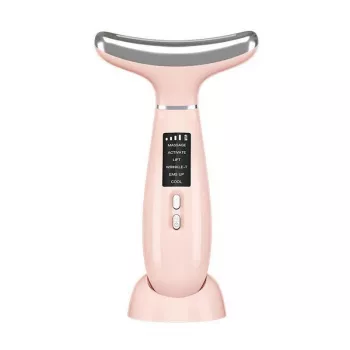
If you want one tool that covers both de-puffing and gentle stimulation, the EMS Cooling Neck and Face Massager is built for quick, repeatable sessions—easy to fit into a morning refresh or an evening wind-down.
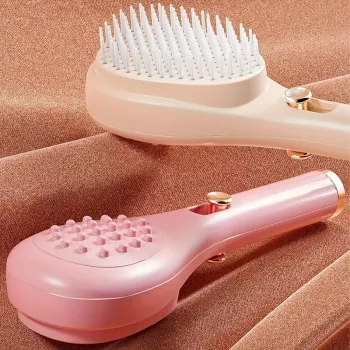
For a simple “head-to-toe” self-care setup, pair face/neck sessions with a scalp routine using the Magic Retractable Hair Comb – Anti-Static Scalp Massager & Detangling Brush. Keeping routines short and consistent can be more satisfying than adding extra steps you won’t stick with.
FAQ
Does an EMS cooling massager help with puffiness?
Cooling can temporarily reduce the look of puffiness by calming and tightening the appearance of the skin, which can be especially noticeable in the morning. The effect is typically short-term, but it can look fresher right after use.
How often can it be used on the neck and face?
Follow the device instructions, but many people use EMS cooling tools several times per week or daily in short sessions. Start with low intensity, keep sessions brief (often 5–10 minutes), and pause if you notice irritation or discomfort.
Can it be used with serums or moisturizers?
Yes—water-based serums or conductive gels often improve glide and comfort and help maintain consistent contact. If you’re sensitive, avoid harsh actives right before a session, and clean the device head after use to prevent buildup.
Recommended for you

Nordic Girl Diver Reading Figurine for Modern Decor
Jun 24, 2026













Leave a comment