-
Shop
- Adidas
- Advanced Technologies
- AI Skills Mastery 2026 Collection
- Apple Accessories
- Best-Sellers
- Car Accessories
- Dating & Social Confidence
- Dating & Social Skills
- Digital Resources
- Education & Learning
- Family & Parenting
- Fashion
- Fashion Accessories
- Furniture
- Gadgets
- Health & Beauty
- Health & Wellness
- Home & Garden
- Home Supplies
- Kids & Babies
- Kitchen Best-Sellers
- Lighting
- Nike
- Patio, Lawn & Garden
- Personal Growth
- Pet Care
- Pet Supplies
- Pets
- Shoes
- Sport & Outdoors
- Stress Relief & Relaxation
- Summer 2025 Fashion Collection
- Sunglasses
- Super Deals
- Travel
- Travel & Outdoors
- Wealth
- Wealth Building
- Women’s Wellness & Lifestyle
- Popular
- Best deals
3D Yellow Flower Static Cling Stained Glass Window Film
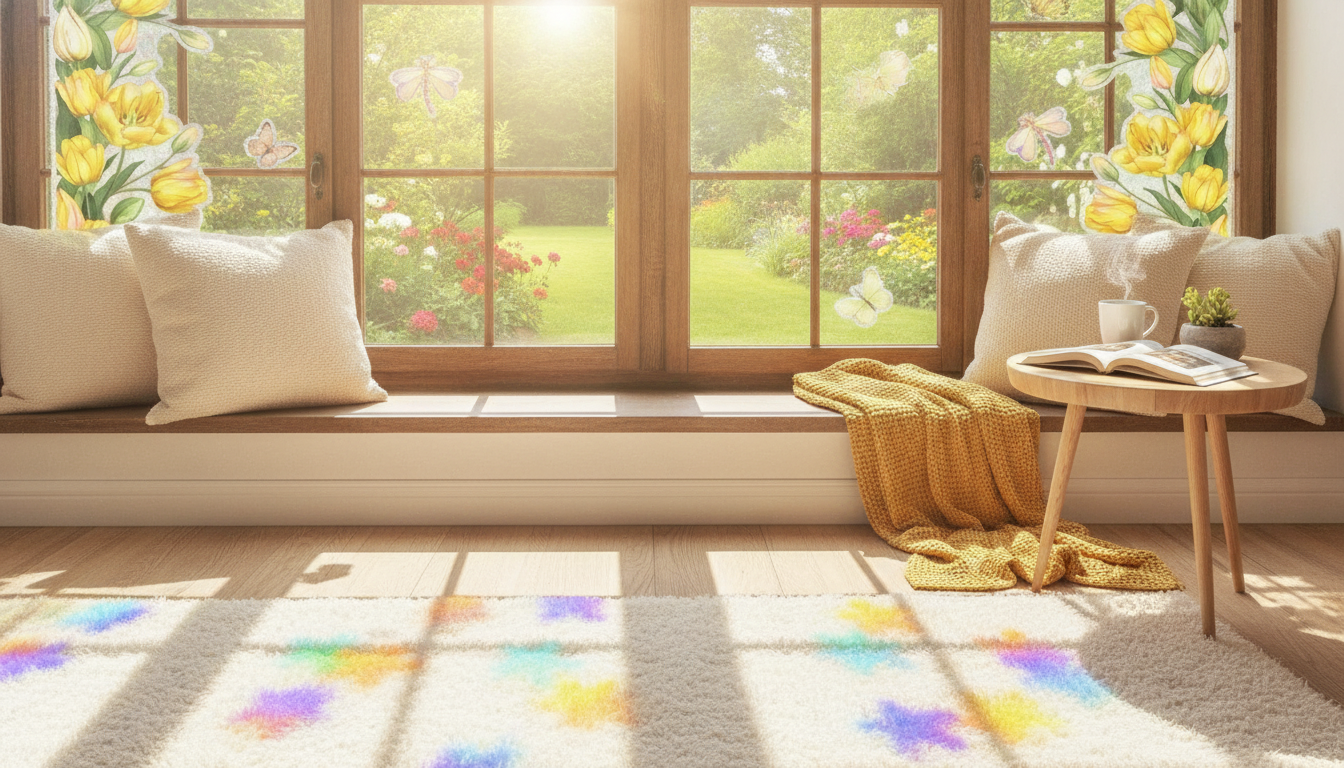
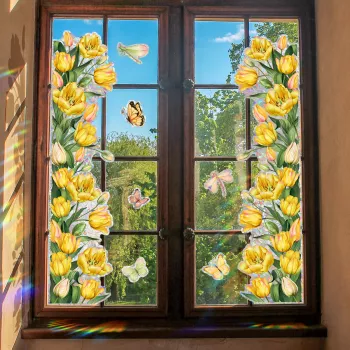
3D Yellow Flower Stained Glass Window Film – Static Cling Sun Catcher Decor
Bring a stained-glass look to any smooth window without tools, adhesives, or permanent changes. This 3D yellow flower static cling film adds colorful light effects, softens harsh glare, and refreshes a room’s mood in minutes—ideal for renters, seasonal decorating, and quick privacy upgrades.
What This Film Adds to a Room
If a space feels a little flat—especially around plain glass panes—this stained-glass-style flower pattern adds an instant focal point without changing your furniture or paint. The yellow floral design brightens neutral palettes and pairs naturally with boho textures, cottage details, and clean modern lines.
The “3D” look is most noticeable when sunlight passes through the film, giving the pattern a more dimensional appearance than a standard printed window decal. In direct sun, it can create a sun-catcher effect that throws soft, colored highlights onto nearby floors and walls; the exact projection shifts throughout the day as the sun angle changes. It’s also an easy way to refresh a window or glass door when you don’t want to swap curtains, mount blinds, or commit to a new shade treatment.
Static Cling Benefits (No Glue, Less Mess)
Static cling window film is designed to adhere with water and gentle pressure rather than a sticky adhesive. That means positioning is typically less stressful: you can slide it into place, lift and re-seat a corner, and rework alignment before it fully settles.
Because there’s no glue layer, removal is usually cleaner—helpful for seasonal swaps, moving day, or redecorating on a whim. It’s a practical option for renters who want a decorative upgrade without risking residue on the glass. For best results, apply only to smooth, clean glass; textured, frosted, or heavily etched surfaces reduce contact and may cause lifting.
Static Cling vs. Adhesive Window Film
| Feature | Static cling film | Adhesive film |
|---|---|---|
| Application | Water + squeegee/credit card pressure | Peel-and-stick; more precise alignment needed |
| Repositioning | Typically easier | Often harder once stuck |
| Removal | Usually cleaner | May leave residue depending on adhesive |
| Best for | Renters, seasonal decor, quick updates | Long-term installs and high-traffic areas |
| Glass compatibility | Smooth glass recommended | Smooth glass recommended |
Where It Works Best
This type of decorative film shines where you want light, mood, and a touch of screening without making the room feel closed off:
- Kitchen windows: A cheerful color accent that can soften bright morning glare while keeping the space sunny.
- Bathroom windows: Adds visual screening while still letting daylight through (privacy varies by lighting, covered below).
- Nursery or playroom: Creates gentle, colorful light effects that feel warm rather than harsh.
- Front door sidelights and glass panels: Turns plain entry glass into a decorative focal point.
- Home office windows: Helps reduce eye-strain from strong directional sunlight bouncing off monitors and glossy surfaces.
How to Apply for a Smooth, Bubble-Free Finish
A clean pane and patient smoothing do most of the work. Plan a few extra minutes for trimming and aligning the flower placement so the final look feels intentional.
- Clean the glass thoroughly: Remove dust, oils, and stuck-on residue. A lint-free wipe helps prevent tiny specks that can create “bubble dots.”
- Measure and trim: Cut the film to fit, leaving a small margin so the edge doesn’t catch on the frame or gasket.
- Mist the glass: Use water; adding a tiny drop of mild dish soap can improve slip so you can align more easily.
- Place and align: Set the film on the wet glass and adjust until the pattern and edges look balanced.
- Squeegee from center outward: Push water and air to the edges in overlapping passes. If your tool drags, lightly re-mist the outer surface.
- Let it settle: A slightly cloudy look is often just moisture haze and typically clears as it dries.
Quick Application Checklist
| Step | What to do | Why it matters |
|---|---|---|
| Prep | Clean and dry the window frame edges | Prevents lifting and trapped debris |
| Wet | Mist the glass evenly | Allows sliding and prevents premature sticking |
| Align | Match the flower placement and edges | Improves symmetry and final look |
| Press | Squeegee center-to-edges | Removes bubbles and excess water |
| Finish | Wipe edges and corners | Helps the film seat cleanly |
Light, Privacy, and Daily Use Expectations
Decorative window films are often chosen for ambience as much as function. Expect softened direct sunlight and reduced glare while still keeping the room bright. Because the design diffuses visibility, it can add a layer of privacy during the day—especially when outdoor light is stronger than indoor light.
For more general guidance on how window coverings affect comfort and efficiency, see the U.S. Department of Energy overview: https://www.energy.gov/energysaver/window-coverings. For consumer information about window films, the International Window Film Association is another helpful reference: https://iwfa.com/.
Care and Removal
Styling Ideas for a Coordinated Look
Common Issues and Simple Fixes
Related Finds (In Stock)
- 48-Blade Stainless Steel Meat Tenderizer Tool for Juicy, Flavorful Cooking
- Bike Bell with Hidden Apple Airtag Holder & Anti-Theft GPS Tracker
- Tommy Hilfiger Black Leather Men’s Shoes
FAQ
Will static cling window film work on textured or frosted glass?
Static cling performs best on smooth, non-porous glass. Textured or frosted surfaces reduce full contact, which can lead to poor cling, lifting edges, or sections that won’t stay seated.
Can it be removed and reused later?
Yes, many cling films can be removed and reused if peeled carefully, kept clean, and stored flat. Dust buildup, creases, or stretched edges can reduce how well it clings the next time.
Does it provide privacy at night with lights on indoors?
Privacy depends on lighting: when it’s brighter inside than outside, silhouettes may still be visible through decorative film. Pairing it with shades or curtains helps if nighttime privacy is a priority.
Recommended for you
Strategic Guidance for Financial Growth: 30-Day Plan
Jun 25, 2026










Leave a comment