-
Shop
- Adidas
- Advanced Technologies
- AI Skills Mastery 2026 Collection
- Apple Accessories
- Best-Sellers
- Car Accessories
- Dating & Social Confidence
- Dating & Social Skills
- Digital Resources
- Education & Learning
- Family & Parenting
- Fashion
- Fashion Accessories
- Furniture
- Gadgets
- Health & Beauty
- Health & Wellness
- Home & Garden
- Home Supplies
- Kids & Babies
- Kitchen Best-Sellers
- Lighting
- Nike
- Patio, Lawn & Garden
- Personal Growth
- Pet Care
- Pet Supplies
- Pets
- Shoes
- Sport & Outdoors
- Stress Relief & Relaxation
- Summer 2025 Fashion Collection
- Sunglasses
- Super Deals
- Travel
- Travel & Outdoors
- Wealth
- Wealth Building
- Women’s Wellness & Lifestyle
- Popular
- Best deals
Quick Anxiety Relief: Breathing, Grounding & a Checklist
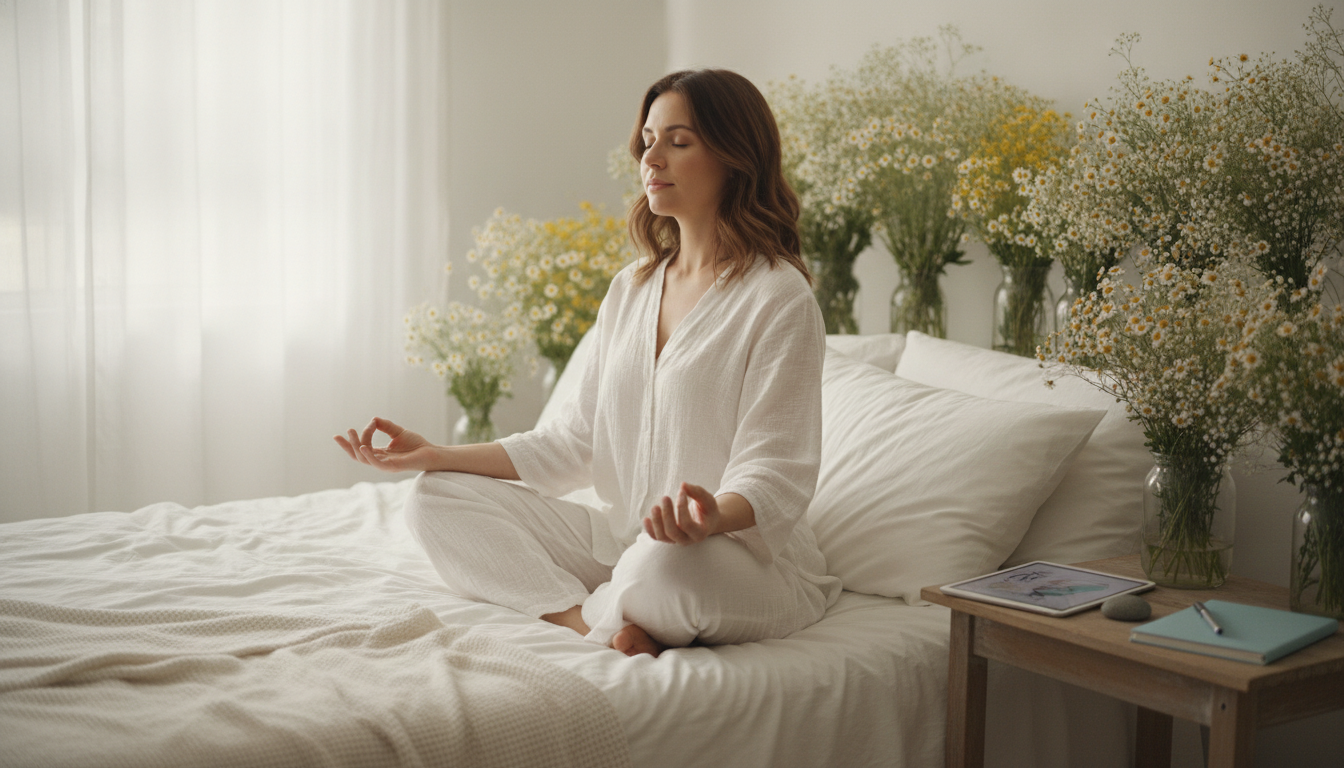
Relaxation Techniques for Anxiety: A Practical Guide for Calm, Focus, and Everyday Stress Relief
Anxiety and stress can show up fast—racing thoughts, tight shoulders, shallow breathing, difficulty focusing. The most helpful tools are often simple, repeatable, and easy to reach for in the moment. This guide organizes effective relaxation techniques into quick options for “right now” and longer practices that build steady resilience, plus a checklist-style approach that helps turn calming habits into a routine. These strategies can support well-being, but they are not a substitute for professional care when symptoms feel unmanageable or persistent. For background on anxiety disorders and when to seek help, visit the National Institute of Mental Health (NIMH).
What anxiety stress feels like in the body (and why relaxation works)
When stress hits, the body shifts into a “fight-or-flight” state. Heart rate may climb, muscles tense, and attention narrows toward possible threats—useful in true danger, exhausting during everyday life. Common signs include a tight jaw or shoulders, stomach discomfort, restlessness, rapid breathing, irritability, and trouble sleeping.
Relaxation techniques work because they interrupt that loop. Slowing the breath, releasing muscular tension, and returning attention to the present moment all send “safety cues” to the nervous system. The goal isn’t perfect calm; it’s flexibility—moving from high alert back toward balance. Progress beats perfection: short practices done consistently often help more than long sessions done rarely. The NCCIH overview of relaxation techniques offers additional context on how these practices support health.
Quick techniques for the moment anxiety spikes (1–5 minutes)
When anxiety surges, start with techniques that require minimal setup. Think “small lever, fast impact.” Choose one tool and repeat it a few times before switching, so your brain doesn’t get pulled into more decision-making.
1) Box breathing (about 2–3 minutes)
Inhale for 4 counts, hold for 4, exhale for 4, hold for 4. Repeat for 4 cycles. The steady rhythm can reduce mental spiraling and help regulate breathing.
2) Physiological sigh (about 1–2 minutes)
Inhale through the nose, “top up” with a second small inhale, then take a long, slow exhale. Repeat 2–3 times. This is especially helpful when you feel breathless or “stuck” in shallow breathing.
3) 5-4-3-2-1 grounding (about 3–5 minutes)
Name 5 things you can see, 4 things you can feel, 3 things you can hear, 2 things you can smell, and 1 thing you can taste. This anchors attention in the present moment and can help with feeling unreal, detached, or overwhelmed.
4) Cold water reset (about 30–60 seconds)
Briefly splash cool water on your face or hold a cool compress against your cheeks/forehead. Keep it gentle—avoid extremes if you’re medically sensitive or prone to migraines.
5) Tension release (about 20–30 seconds)
Unclench your jaw, drop your shoulders, and relax your hands. Pair the release with a slow exhale and notice the “before and after” sensation in your body.
| Situation | Try this | Time needed |
|---|---|---|
| Racing thoughts | Box breathing + name 3 neutral objects in the room | 2–3 min |
| Chest tightness | Physiological sigh + shoulder drop on the exhale | 1–2 min |
| Feeling unreal or “spaced out” | 5-4-3-2-1 grounding + feet pressed to the floor | 3–5 min |
| Overwhelm at work/school | One-minute reset: sip water slowly + 10 slow breaths | 1–2 min |
Longer practices that build calm over time (10–20 minutes)
Longer practices help you “train the baseline,” making it easier to recover when stress shows up. If you only have energy for one longer practice, choose the one that feels most doable—consistency matters more than intensity.
Progressive muscle relaxation (PMR)
Tense and release muscle groups from feet to face, holding tension briefly and then letting go. PMR is a strong option when anxiety is physical (tight muscles, jittery energy, headaches from clenching).
Guided mindfulness
Body scan
Gentle movement
Journaling for clarity
A simple self-care checklist approach for calm and mindfulness
If you want a ready-made version you can save, print, and reuse, consider the Relaxation Techniques for Anxiety digital download (guide, eBook, and self-care checklist), designed to make “what do I do now?” feel simpler on stressful days.
How to use a digital anxiety relief guide day-to-day
Plan around common moments: mornings to settle, afternoons to reset, evenings to unwind. Create a short personal script you can repeat during spikes, such as: “This is anxiety. It will pass. Breathe out longer than in.” For broader stress-management guidance, the American Psychological Association’s stress resources can be a helpful reference.
If you’re building a more complete wind-down routine at home, some people find gentle heat deeply relaxing. The Infrared Sauna for One Person can support a quiet, device-free decompression window—especially when paired with slow breathing or a short body scan.
Common obstacles and gentle fixes
“I can’t meditate.”
“Breathing exercises make me dizzy.”
“I forget to practice.”
“It works sometimes, not always.”
“I feel guilty taking breaks.”
FAQ
What is the fastest relaxation technique for anxiety?
For many people, the fastest options are the physiological sigh (1–2 minutes), box breathing (2–3 minutes), or 5-4-3-2-1 grounding (3–5 minutes). Choose based on symptoms: breathing tools for a racing mind or breathlessness, and grounding for feeling “spaced out” or overwhelmed.
How often should relaxation exercises be practiced to help with stress?
A brief daily practice (2–10 minutes) tends to be more effective than occasional long sessions. Use your routine anchors—morning, after lunch, and before bed—and also use quick techniques as needed during spikes.
Can a checklist really help with anxiety and overwhelm?
Yes—checklists reduce decision fatigue and make helpful actions repeatable when your brain feels overloaded. A simple minimum plan might be: 2 minutes of slow breathing, a 5-minute walk, and a glass of water.
Recommended for you


2L Stainless Whistling Kettle: Rustproof, All Stoves
Jul 18, 2026
Guess Sunglasses Quality: What to Expect & Check
Jul 18, 2026










Leave a comment