-
Shop
- Adidas
- Advanced Technologies
- AI Skills Mastery 2026 Collection
- Apple Accessories
- Best-Sellers
- Car Accessories
- Dating & Social Confidence
- Dating & Social Skills
- Digital Resources
- Education & Learning
- Family & Parenting
- Fashion
- Fashion Accessories
- Furniture
- Gadgets
- Health & Beauty
- Health & Wellness
- Home & Garden
- Home Supplies
- Kids & Babies
- Kitchen Best-Sellers
- Lighting
- Nike
- Patio, Lawn & Garden
- Personal Growth
- Pet Care
- Pet Supplies
- Pets
- Shoes
- Sport & Outdoors
- Stress Relief & Relaxation
- Summer 2025 Fashion Collection
- Sunglasses
- Super Deals
- Travel
- Travel & Outdoors
- Wealth
- Wealth Building
- Women’s Wellness & Lifestyle
- Popular
- Best deals
Smart Auto-Flush Porcelain Bidet Toilet with Heated Seat
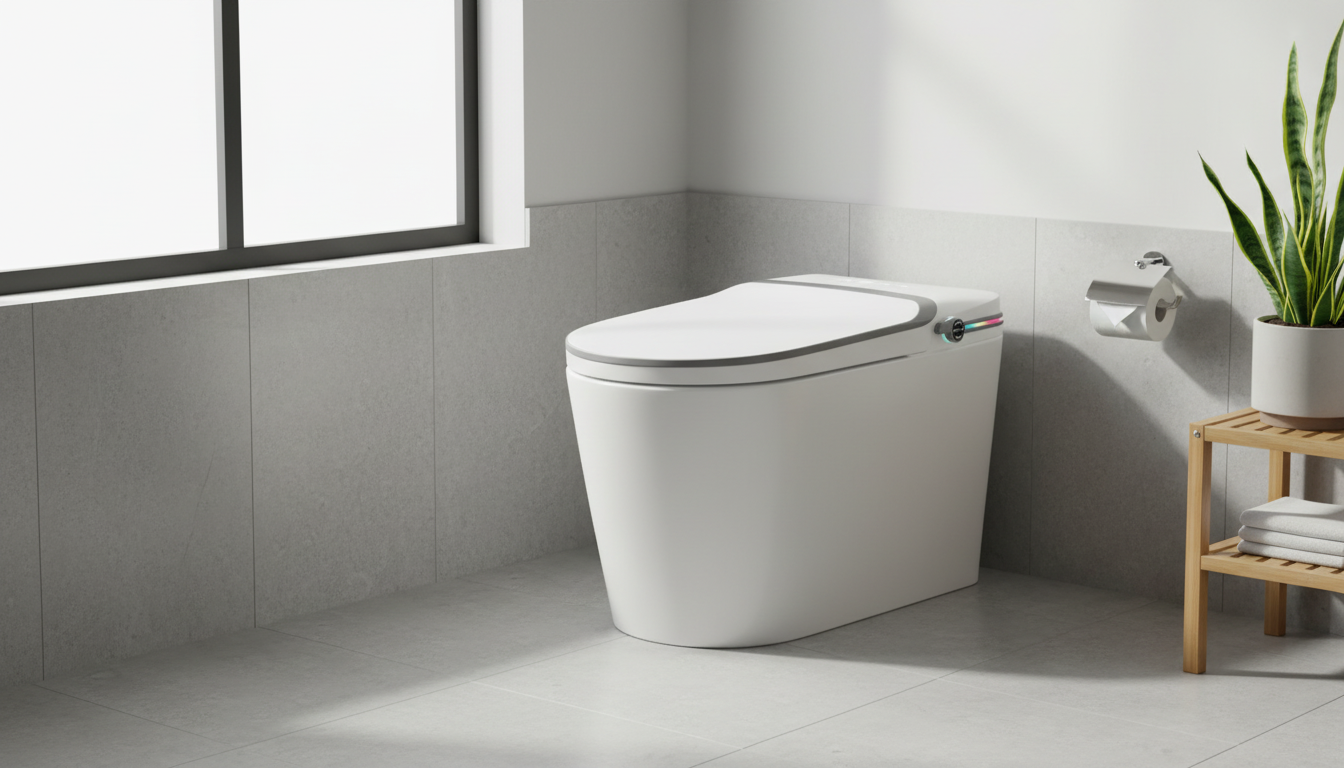
Smart Automatic Flush Porcelain Bidet Toilet Bowl with Heated Seat: Comfort, Hygiene, and a Cleaner Look
A smart bidet toilet combines a full porcelain bowl with an integrated washing system, automatic flushing, and a heated seat to improve comfort and hygiene while streamlining daily bathroom routines. Because the bidet functions are built in (rather than added on), the result is often a sleeker profile with fewer seams and crevices to wipe down. If you’re weighing an upgrade, the details that matter most tend to be the same ones you’ll notice every day: seat warmth, water temperature stability, nozzle cleanliness, and how reliably the automatic flush behaves.
For households focused on reducing touch points and improving bathroom comfort year-round, an integrated unit like the Smart Automatic Flush Porcelain Bidet Toilet Bowl with Heated Seat can be a strong centerpiece upgrade—especially when planned with the right electrical and plumbing setup.
What makes a smart bidet toilet different
- Integrated design: Bidet functions are built into the toilet rather than added as an attachment, creating a cleaner look and fewer gaps where grime can collect.
- Hands-free workflow: Automatic flushing reduces touch points and can be helpful for families, guests, and mobility-limited users.
- Comfort features: Heated seating and warm-water washing can make year-round use more pleasant, especially in colder climates.
- Porcelain bowl benefits: Porcelain offers a durable, stain-resistant surface that’s familiar to clean and typically matches common bathroom aesthetics.
Core comfort and hygiene features to prioritize
- Heated seat: Look for adjustable temperature levels and a quick warm-up that doesn’t overheat during longer sits. A stable, even heat feels better than a seat that cycles hot/cool.
- Warm-water cleansing: Consistent temperature control is key for comfort. Check for adjustable water temperature and pressure so different users can set what feels right.
- Nozzle hygiene: Prioritize self-cleaning nozzles and materials designed to resist buildup. A retracting nozzle helps reduce exposure when not in use.
- Drying function (if included): Warm-air drying can reduce toilet paper use; adjustable temperature helps avoid irritation.
- Deodorization and filtration (if included): Built-in odor control can make a noticeable difference in smaller bathrooms where smells linger.
For households also thinking about water efficiency, it’s worth comparing flush performance and any efficiency certifications or specifications. The EPA WaterSense program is a helpful reference point when evaluating water-saving fixtures and overall bathroom water use.
Smart operation: automatic flush, sensors, and daily usability
- Automatic flush logic: Models may trigger via seat sensors, lid sensors, or a time delay. Reliable detection prevents false flushes and reduces the chance of a missed flush.
- Night-friendly use: Soft lighting (if included) can reduce the need for overhead lights and keep the bathroom calmer at night.
- Controls: A side panel and/or remote should be intuitive for guests. Clear icons and simple presets reduce confusion and accidental button presses.
- Quiet performance: Consider how loud the flush is and whether any internal fan/pump sounds are noticeable, especially in en-suite bathrooms.
- Safety: Overheating protection, leakage protection, and electrical safeguards matter when water and power are close together.
Reducing touch points can support cleaner routines, but it doesn’t replace the basics. Good handwashing remains essential for health—see the CDC guidance on hygiene and handwashing for practical reminders that apply to every household.
Installation checklist before ordering
Feature comparison at a glance
| Option | Comfort features | Touch-free benefits | Installation complexity | Typical upkeep |
|---|---|---|---|---|
| Integrated smart bidet toilet (porcelain bowl + bidet + heated seat) | Heated seat, warm-water wash, adjustable pressure; often drying/deodorizing | Auto flush and fewer touch points (varies by model) | Moderate to high (may need outlet, precise fit) | Regular cleaning; nozzle self-clean cycles; occasional filter/descale if applicable |
| Standard toilet + bidet seat attachment | Many comfort features available depending on seat | Some seats add hands-free functions, but flush is still manual | Low to moderate (often easier retrofit if outlet exists) | Seat cleaning; nozzle maintenance; separate toilet cleaning |
| Standard toilet only | No heated seat or washing functions | Manual flushing and more touch points | Low (existing setup) | Basic toilet cleaning only |
Cleaning and maintenance for consistent performance
Who this toilet bowl setup suits best
If you’re building a comfort-forward home wellness routine, pairing a bathroom upgrade with relaxation essentials can make the space feel more complete. For example, the Infrared Sauna for One Person is another at-home option that complements a “spa at home” direction without requiring a large footprint.
Common issues and quick checks
FAQ
Does an automatic flush bidet toilet still work if the power goes out?
Most smart features (heated seat, washing, sensors) require electricity, so they typically won’t function during an outage. Some models include a limited manual or backup flushing method, while others may not—check the unit’s emergency flush instructions and keep them accessible.
What electrical outlet is needed for a heated seat bidet toilet?
A nearby GFCI-protected outlet is commonly required to safely power the heated seat and bidet functions. Confirm the voltage requirements, outlet placement distance, and local electrical code, and use a licensed electrician if a new outlet must be installed.
How often should the nozzle and filters be cleaned?
Run self-clean cycles regularly and do a light wipe-down weekly for exposed areas, then schedule deeper cleaning as the manufacturer recommends. In hard water or high-use bathrooms, filters/screens and descaling (if supported) may need attention more often to keep spray performance consistent.













Leave a comment