-
Shop
- Adidas
- Advanced Technologies
- AI Skills Mastery 2026 Collection
- Apple Accessories
- Best-Sellers
- Car Accessories
- Dating & Social Confidence
- Dating & Social Skills
- Digital Resources
- Education & Learning
- Family & Parenting
- Fashion
- Fashion Accessories
- Furniture
- Gadgets
- Health & Beauty
- Health & Wellness
- Home & Garden
- Home Supplies
- Kids & Babies
- Kitchen Best-Sellers
- Lighting
- Nike
- Patio, Lawn & Garden
- Personal Growth
- Pet Care
- Pet Supplies
- Pets
- Shoes
- Sport & Outdoors
- Stress Relief & Relaxation
- Summer 2025 Fashion Collection
- Sunglasses
- Super Deals
- Travel
- Travel & Outdoors
- Wealth
- Wealth Building
- Women’s Wellness & Lifestyle
- Popular
- Best deals
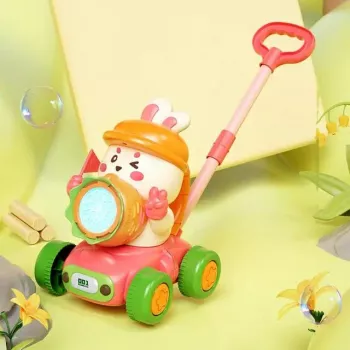
Rabbit Bubble Trolley for Kids: Outdoor Push Toy Fun
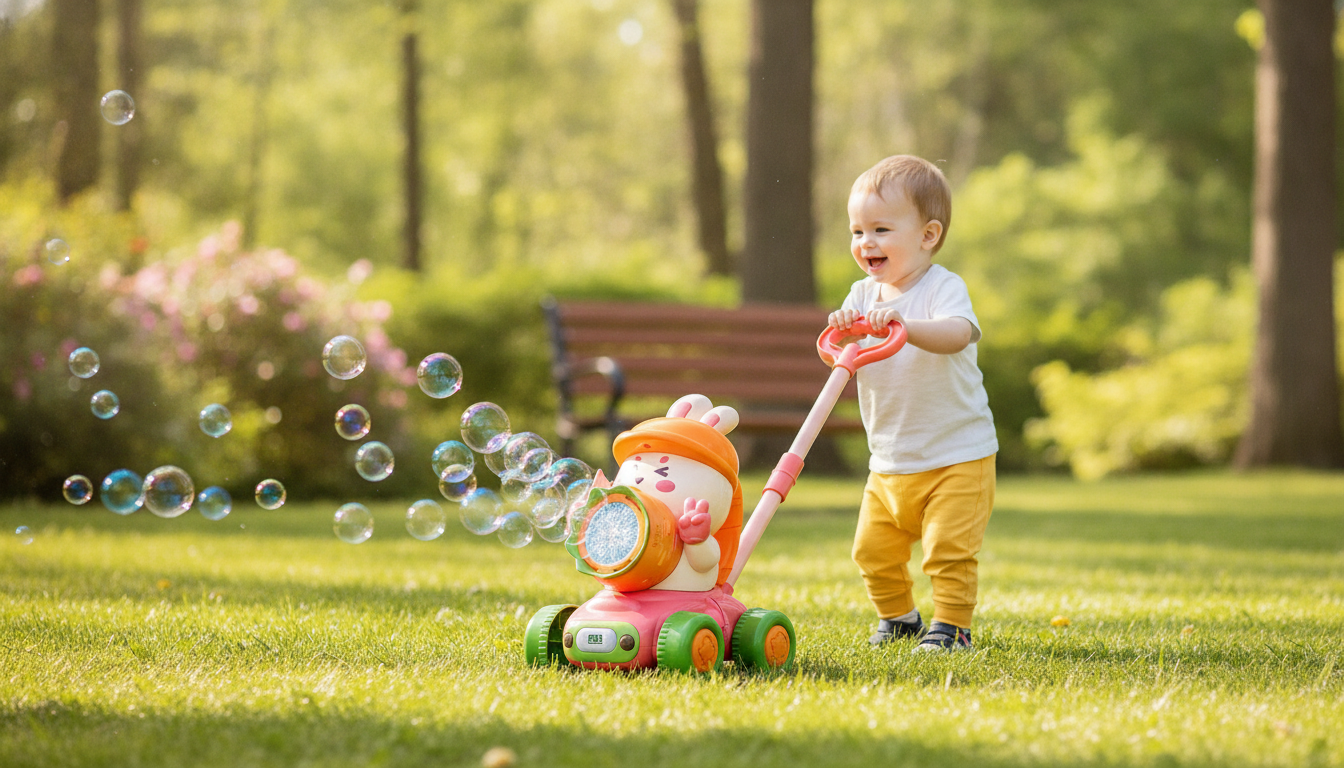
Rabbit Bubble Trolley for Kids
A playful push-along bubble trolley can turn everyday walks and backyard time into a stream of floating bubbles. With a kid-friendly handle and a charming rabbit theme, this type of toy blends movement with an instant “wow” effect—bubbles that appear as your child pushes along. Below is a practical guide to what a bubble trolley is, how it’s typically used, safety reminders, and easy care tips so it’s ready for the next round of outdoor fun.
What makes a bubble trolley fun for playtime
A bubble trolley adds an extra layer of excitement to active play because it rewards motion with something kids can see and chase. Instead of standing still with a wand, children get to move, steer, and explore—then turn around to pop the bubbles they made.
- Push-and-go play: Encourages walking, starting, stopping, and changing direction while bubbles keep kids engaged.
- Easy for small hands: The trolley format is often simpler to manage than a handheld bubble wand alone—especially for toddlers who like push toys.
- Rabbit theme invites pretend play: Think “pet care,” “bubble delivery,” or imaginative outdoor missions with siblings and friends.
- Made for everyday spaces: Great for backyards, patios, sidewalks, parks, playdates, and parties.
- Supports social play: Naturally encourages turn-taking (“my turn to push!”) and cooperative games.
Quick look: who it’s best for
Bubble trolleys are a strong match for toddlers and preschoolers who enjoy cause-and-effect toys—push the trolley, get bubbles—while building confidence with movement. They’re also handy for caregivers who want a low-prep activity that feels special without needing a full planned event.
At-a-glance suitability guide
| Situation | Why it works | Tip for best results |
|---|---|---|
| Backyard/sidewalk play | Encourages walking, chasing, and giggles | Use on smoother surfaces for easier pushing |
| Birthday parties | Creates instant activity for groups | Have extra bubble solution ready for refills |
| Toddlers learning balance | Supports coordination through pushing and stopping | Supervise closely and keep play area clear |
| Indoor use | Possible but can get slippery | Place a mat/towel down and wipe floors afterward |
How it typically works
Most bubble trolleys follow a straightforward routine: fill, turn on (or engage the mechanism), and push. While details can vary by model, the basics stay the same.
- Fill the reservoir: Add bubble solution according to the included directions, if provided.
- Start the action: Power on or engage the mechanism (some are battery-powered; others may use a simple push-activated setup).
- Keep it moving: Many designs produce bubbles continuously while operating or being pushed.
- Refill as needed: Bubble time depends on reservoir size; quick refills keep play flowing.
- Reduce drips: Wipe any spilled solution to help prevent slick patches—especially on smooth surfaces.
Setup, bubble solution, and easy cleanup
A few small setup and care habits can make the trolley roll better, blow bubbles more consistently, and stay nicer over time.
- Assembly check: If assembly is required, confirm the handle and wheels sit straight so the trolley tracks smoothly.
- Bubble solution choice: Standard kids’ bubble solution is usually ideal. Very thick mixes can clog outlets or slow bubble flow.
- Spill control: Fill outdoors or over a sink and avoid overfilling. Keeping a small towel nearby helps with quick wipe-downs.
- After-play cleanup: A damp cloth wipe removes soap residue that can build up and affect bubble output.
- Storage: Store upright when possible to help prevent leaks. Keep away from direct heat, and remove batteries for longer storage if your model uses them.
Safety and supervision notes
Bubbles are lighthearted fun, but it’s worth treating bubble solution like any other kid play fluid: supervise, keep surfaces safe, and follow age guidance on the package. For broader toy safety reminders, the Consumer Product Safety Commission (CPSC) toy safety resources are a helpful reference, and the American Academy of Pediatrics highlights the value of play for healthy development.
- Supervise younger children: Especially with toddlers, group play, or any toy that uses batteries or small components.
- Watch for slippery areas: Bubble solution can make floors slick; keep play away from stairs and wipe spills promptly.
- Avoid eye contact: If solution gets in eyes, rinse with clean water. Seek medical advice if irritation persists.
- Mind mouthing behavior: Keep any small parts away from children who still mouth objects.
- Follow product labels: Use the age guidance and warnings printed on packaging/instructions.
Ideas for games and activities
A rabbit bubble trolley can be the centerpiece of quick, repeatable games—perfect for those “let’s go outside for 15 minutes” moments. Rotate simple play prompts to keep it fresh without adding complexity.
When it’s a great gift
Shop in-stock favorites
- Rabbit Bubble Trolley for Kids — $22.82
- 28-Piece Natural Hair Makeup Brush Set — $67.49
- Crime London Men’s White Leather Shoes — $170.99
FAQ
What age is a bubble trolley suitable for?
Follow the age label on the product packaging. In general, bubble trolleys tend to work best for toddlers and preschoolers with close adult supervision, especially if the toy uses batteries or includes small parts.
What bubble solution should be used?
Standard kids’ bubble solution is usually the best choice. Avoid overly thick mixtures that can clog, and if bubble output seems weak, try fresh solution and wipe away any dried residue near the bubble outlet.
How can spills and slippery floors be avoided?
Fill outdoors or over a sink, don’t overfill the reservoir, and store the trolley upright when possible. Wipe drips right away—particularly on smooth indoor floors where soap residue can get slick.












Leave a comment