-
Shop
- Adidas
- Advanced Technologies
- AI Skills Mastery 2026 Collection
- Apple Accessories
- Best-Sellers
- Car Accessories
- Dating & Social Confidence
- Dating & Social Skills
- Digital Resources
- Education & Learning
- Family & Parenting
- Fashion
- Fashion Accessories
- Furniture
- Gadgets
- Health & Beauty
- Health & Wellness
- Home & Garden
- Home Supplies
- Kids & Babies
- Kitchen Best-Sellers
- Lighting
- Nike
- Patio, Lawn & Garden
- Personal Growth
- Pet Care
- Pet Supplies
- Pets
- Shoes
- Sport & Outdoors
- Stress Relief & Relaxation
- Summer 2025 Fashion Collection
- Sunglasses
- Super Deals
- Travel
- Travel & Outdoors
- Wealth
- Wealth Building
- Women’s Wellness & Lifestyle
- Popular
- Best deals
Suction Silicone Baby Dinner Set for First Self-Feeding
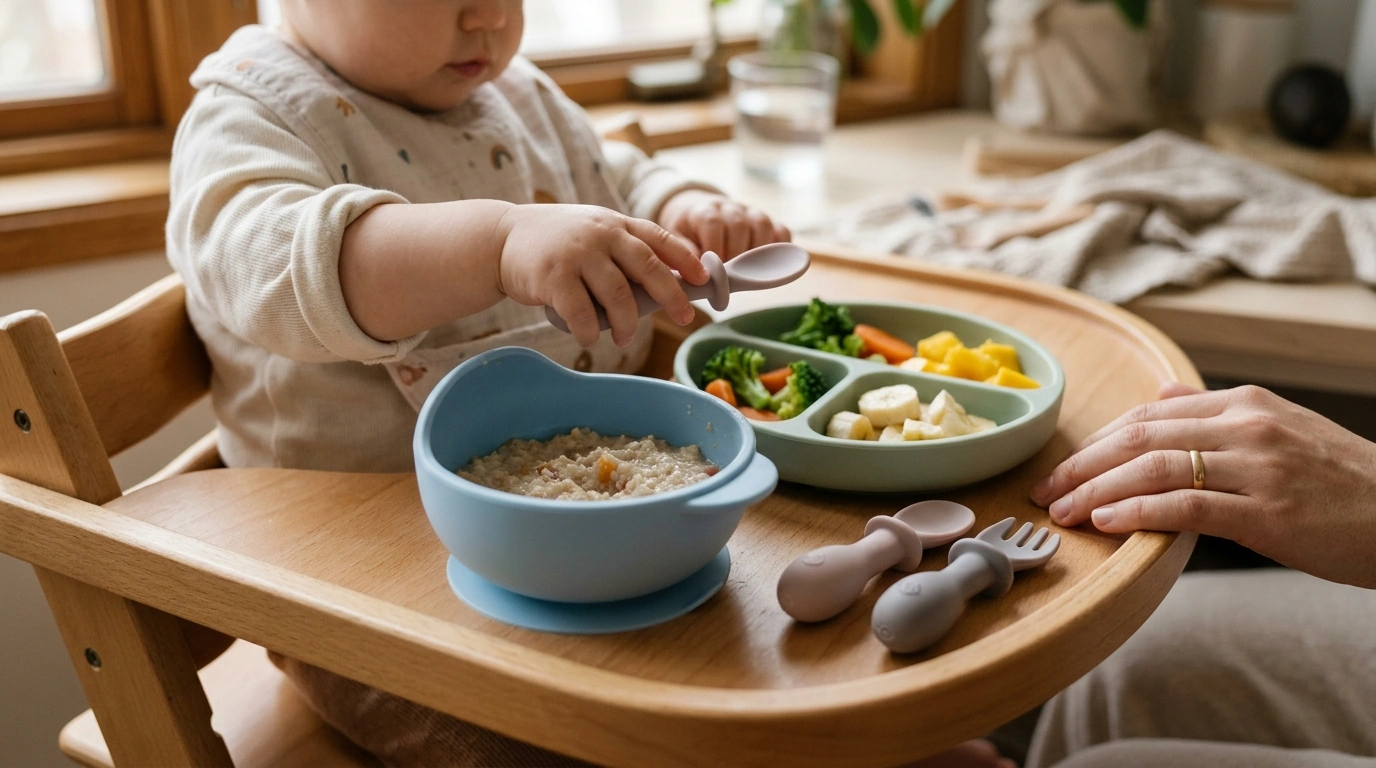
Mealtime support for first bites through toddler snacks
Mealtime goes smoother when baby dishes stay put, feel comfortable in little hands, and clean up quickly. The 4PCS Baby Silicone Dinner Set with Suction Bowl, Plate, Spoon & Fork pairs a suction bowl and suction plate with a spoon and fork designed for early self-feeding—helping reduce spills while supporting everyday routines from first purees to more textured foods.
Whether you’re setting up a high-chair tray at breakfast or plating bite-sized foods at dinner, silicone feeding pieces can simplify the “grab, toss, and tip” stage while giving babies a consistent set to practice with.
What’s in the set
- Suction bowl for cereals, oatmeal, yogurt, and purees
- Suction plate for finger foods and mixed meals
- Spoon for soft foods and training bites
- Fork for early practice with textured foods (when developmentally ready)
- Designed as a coordinated set for home meals, daycare, or travel
Because the bowl and plate both use suction, caregivers can rotate between “spoonable” meals and finger-food practice without changing the overall setup. The utensils are included so the feeding kit stays together—helpful when packing a diaper bag or keeping a dedicated set at grandparents’ or daycare.
How suction helps reduce mess
- Suction base helps keep the bowl and plate anchored to flat, smooth surfaces
- Supports independent eating by reducing sliding and tipping
- Works best on clean, dry, non-textured tabletops and high-chair trays
- For stronger hold: press firmly from the center and remove any crumbs or moisture underneath
- To release: lift an edge tab (if present) or gently peel from one side rather than pulling straight up
Suction doesn’t make dishes “toddler-proof,” but it can meaningfully cut down on accidental flips and skids—especially during the learning phase when babies are exploring force, grip, and angle. If suction seems weak, the fix is usually simple: wipe away invisible oils, dry the surface completely, and press down firmly to push out trapped air.
Material and safety notes for silicone baby dishes
- Food-contact silicone is widely used for baby feeding items because it’s flexible, durable, and less likely to shatter than rigid materials
- Check for smooth edges and a comfortable utensil grip to reduce gum irritation
- Avoid prolonged contact with sharp utensils that can score the surface
- Discard if the product develops deep cuts, cracks, or persistent odor after thorough cleaning
- Always supervise during feeding and follow age-appropriate utensil use
For additional guidance on food-contact materials and safety, the U.S. Food & Drug Administration provides background on food contact substances. When introducing solids and new textures, it also helps to follow established pediatric feeding advice such as the American Academy of Pediatrics’ overview of starting solid foods and the CDC’s reminders on choking hazards.
Designed for early self-feeding
- Spoon and fork help build hand-to-mouth coordination and grip control
- Soft, flexible feeding tools can feel gentler for beginners transitioning from parent-led feeding
- Bowl supports scooping motions; plate supports picking up pieces and practicing bites
- Helpful for routines like breakfast, snacks, and dinner where cleanup speed matters
Early self-feeding is often messy by design—babies learn through repetition. A bowl that stays in place can make scooping practice less frustrating, while a suction plate can help keep cut-up foods within reach. Over time, consistent utensil use supports skill-building: grasping, bringing food to the mouth, and learning to take smaller bites.
Cleaning and care
- Wash before first use and after each meal with mild soap and warm water
- Rinse thoroughly to reduce soap residue that can cause lingering tastes
- For odor removal: soak in a baking soda solution, then rinse and air-dry
- Let fully dry before stacking to prevent trapped moisture
- Inspect suction surfaces regularly; residue can weaken suction
Silicone can sometimes hold onto odors from strongly flavored foods or oily sauces. A deeper clean (warm water, mild soap, thorough rinsing) plus a short baking-soda soak can refresh the material. If odor remains even after repeated deep cleaning, it may be time to replace the item—especially if there are surface scratches that can trap residue.
Quick setup tips for better suction
At-a-glance specifications
| Feature | What it includes / means |
|---|---|
| Pieces | 4 (suction bowl, suction plate, spoon, fork) |
| Primary use | Baby and toddler feeding at home or on the go |
| Spill control | Suction base on bowl and plate to reduce sliding/tipping |
| Care routine | Wash with mild soap; dry fully; remove residue from suction ring |
| Availability | In stock |
When this set fits best
More in-stock picks
- 4PCS Baby Silicone Dinner Set with Suction Bowl, Plate, Spoon & Fork
- 28-Piece Natural Hair Makeup Brush Set
- Crime London Men’s White Leather Shoes
FAQ
Does the suction work on all tables and high-chair trays?
Suction works best on clean, smooth, non-porous surfaces. Textured wood grain, dusty trays, or uneven finishes can reduce grip, so wipe and fully dry the surface, then press firmly to seal the suction base.
How can silicone baby dishes be cleaned if they start to hold odors?
Wash thoroughly with mild soap, rinse very well, and let the pieces air-dry completely. For lingering odors, soak in a baking soda and water solution, then rinse and dry; if odor persists after deep cleaning, replacing the item is a safer option.
When can a baby start using a fork and spoon?
Many babies begin early spoon practice during the first months of solids, often with a preloaded spoon that they bring to their mouth. Fork use typically comes later as hand control improves; always supervise and follow age-appropriate guidance from your pediatrician.
Recommended for you


Men’s Sunglasses Trends 2026: 5 Hottest Styles
Aug 9, 2026













Leave a comment