-
Shop
- Adidas
- Advanced Technologies
- AI Skills Mastery 2026 Collection
- Apple Accessories
- Best-Sellers
- Car Accessories
- Dating & Social Confidence
- Dating & Social Skills
- Digital Resources
- Education & Learning
- Family & Parenting
- Fashion
- Fashion Accessories
- Furniture
- Gadgets
- Health & Beauty
- Health & Wellness
- Home & Garden
- Home Supplies
- Kids & Babies
- Kitchen Best-Sellers
- Lighting
- Nike
- Patio, Lawn & Garden
- Personal Growth
- Pet Care
- Pet Supplies
- Pets
- Shoes
- Sport & Outdoors
- Stress Relief & Relaxation
- Summer 2025 Fashion Collection
- Sunglasses
- Super Deals
- Travel
- Travel & Outdoors
- Wealth
- Wealth Building
- Women’s Wellness & Lifestyle
- Popular
- Best deals
Kids’ Car Seat Tray Guide: Fit, Setup & Safety Tips
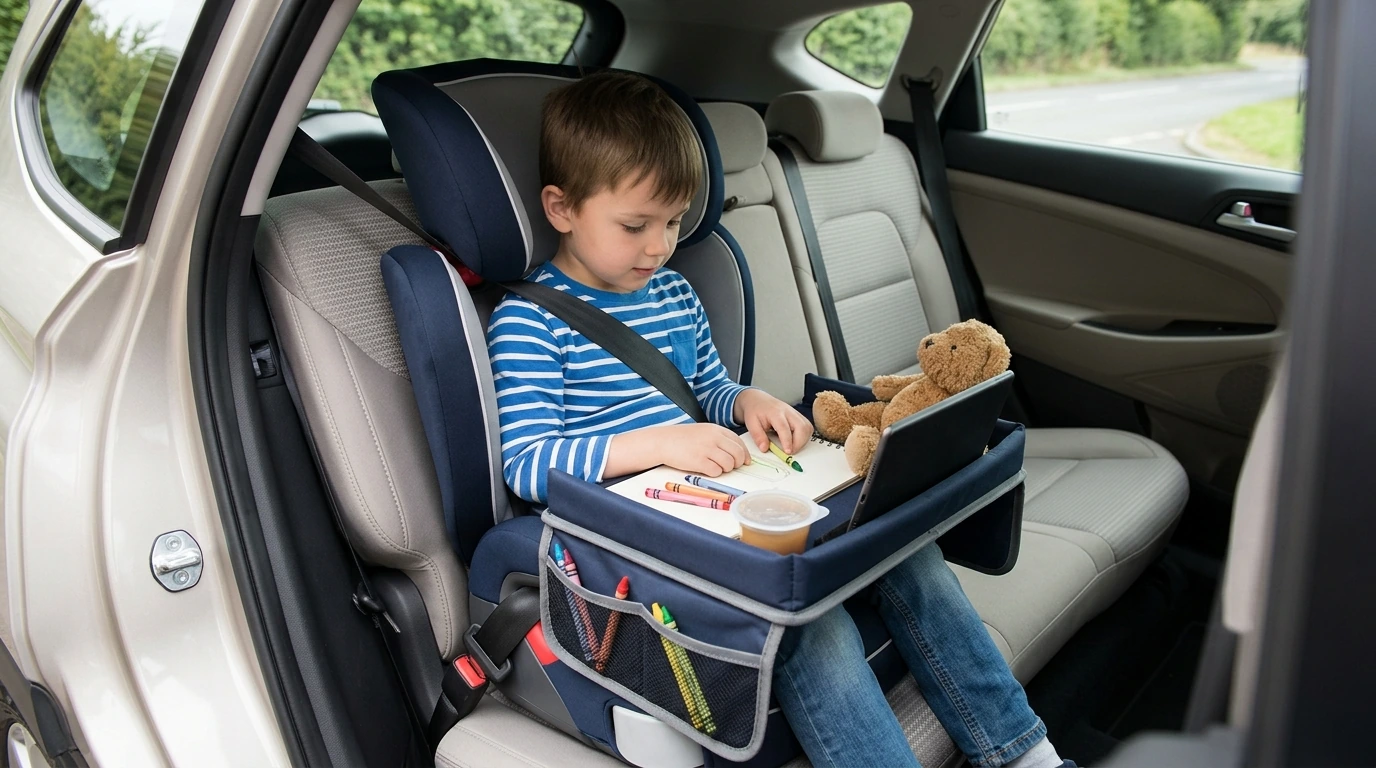
Kids Travel Seat Tray for Car for Chrysler, Hyundai, Bentley
A travel seat tray can turn the back seat into a cleaner, more organized space for snacks, crafts, and screen time—while helping small items stay contained during everyday rides and road trips. This guide covers fit, setup, safety considerations, and how to get the most out of a kids’ car seat tray in a wide range of vehicles, including Chrysler, Hyundai, and Bentley interiors.
What a kids’ car seat tray helps with on the road
Back-seat clutter tends to multiply fast—especially when kids are juggling snacks, books, and devices. A kids’ lap tray creates a defined “activity zone” that’s easier to manage than loose items on the seat.
- Creates a stable surface for coloring, reading, and tablet use during longer drives
- Helps contain crumbs, small toys, and accessories so they don’t fall between seats
- Adds quick-access organization for wipes, snacks, pencils, headphones, and charging cables
- Can reduce driver distraction by limiting back-seat “dropped item” interruptions
- Useful for rideshare, carpools, and travel days when hands-free organization matters
Fit and compatibility across Chrysler, Hyundai, and Bentley cabins
Vehicle cabins vary a lot: a roomy Chrysler minivan row, a compact Hyundai back seat, and a sculpted Bentley rear bench all present different angles and surfaces. A good fit comes down to three things: comfort on the child’s lap, clearance from nearby seats, and zero interference with restraints.
- Measure the child’s seated lap area: tray should sit comfortably without pressing into the stomach or thighs
- Check seat spacing: ensure the tray doesn’t collide with the front seatback when the seat is adjusted
- Confirm belt path clearance: a tray should not interfere with buckling/unbuckling or the car seat’s harness
- Consider upholstery and trim: textured leather and sculpted seats (common in luxury cabins) may need careful strap placement to prevent shifting
- Account for car seats and boosters: look for a tray that can be secured without crossing harness straps or tightening knobs
Quick fit check before buying or installing
| Check | What to look for | Why it matters |
|---|---|---|
| Lap width | Tray surface fits within the child’s lap without overhang | Improves comfort and keeps the tray stable |
| Seatback distance | Front seat can be positioned safely without compressing the tray | Prevents pinching and reduces shifting during braking |
| Buckle access | Buckle and latch points stay reachable | Supports safe, quick exits |
| Harness clearance | No strap is routed over/under the tray in a way that changes fit | Avoids compromising car seat performance |
| Side bolster contact | Tray doesn’t rock on contoured seats | Minimizes spills and dropped items |
Key features that matter for daily use
Small design details often make the difference between a tray that gets used daily and one that ends up in the trunk. Look for features that prevent messes, separate items cleanly, and stay steady on different seat materials.
- Raised edges to reduce rolling crayons, snacks, and small toys
- Wipe-clean surface that handles sticky spills and sunscreen residue
- Multiple pockets/compartments for separating art supplies from food items
- Stable attachment system that resists sliding on smooth leather seats
- Lightweight design that can be moved between vehicles without hassle
Setup tips for a steadier tray (and fewer messes)
Even a well-made tray can feel wobbly if it’s installed too high, too tight, or slightly angled. A quick setup routine helps keep snacks on the tray (instead of on the floor) and keeps activities usable when the road gets bumpy.
- Install with the child seated to confirm comfort and belt access before tightening straps
- Level the tray: adjust straps so the surface sits flat rather than angled toward the child
- Keep heavier items (water bottle, power bank) closer to the child’s body to reduce forward tipping
- Use a spill routine: wipes in an outer pocket, snacks in a sealed container, crayons in a zip pouch
- Do a quick “brake check” while parked: gently press the tray forward to ensure it doesn’t slide easily
Safety and car seat considerations
A seat tray is a convenience accessory, not a safety device. Start with correct car seat or booster setup, then add the tray only if it doesn’t change how restraints fit or function. For authoritative guidance on child passenger safety, review resources from the NHTSA and the American Academy of Pediatrics.
Care, cleaning, and storage
Kids Travel Seat Tray for Car for Chrysler, Hyundai, Bentley: highlights
If you’re ready to add a dedicated activity space to the back seat, see Kids Travel Seat Tray for Car for Chrysler, Hyundai, Bentley.
Other travel-friendly picks for family trips
- 28-Piece Natural Hair Makeup Brush Set for getting ready quickly at hotels or rest stops without digging through a full vanity bag
- Crime London Men’s White Leather Shoes for comfortable walkarounds during breaks, museums, and airport transfers
FAQ
Will a kids’ travel seat tray work with a booster seat or a 5-point harness car seat?
It can, as long as the tray doesn’t interfere with harness fit, the buckle, or the belt path. Install it with the child seated, then confirm the harness or seat belt still lies correctly and the buckle remains easy to reach.
How do you keep a seat tray from sliding on leather seats?
Tighten and re-level the straps so the tray sits flat, then place heavier items closer to the child’s body to reduce tipping. Smooth leather may require extra care in strap placement, and it’s smart to recheck tension after a short drive.
What should not be placed on a car seat tray?
Avoid heavy, hard, or sharp objects that could become dangerous projectiles during sudden stops. Stick to soft snacks, lightweight toys, and art supplies stored in pouches or containers.
Recommended for you
Do Cats Like Wall Shelves? Benefits, Setup Tips
Aug 11, 2026













Leave a comment