-
Shop
- Adidas
- Advanced Technologies
- AI Skills Mastery 2026 Collection
- Apple Accessories
- Best-Sellers
- Car Accessories
- Dating & Social Confidence
- Dating & Social Skills
- Digital Resources
- Education & Learning
- Family & Parenting
- Fashion
- Fashion Accessories
- Furniture
- Gadgets
- Health & Beauty
- Health & Wellness
- Home & Garden
- Home Supplies
- Kids & Babies
- Kitchen Best-Sellers
- Lighting
- Nike
- Patio, Lawn & Garden
- Personal Growth
- Pet Care
- Pet Supplies
- Pets
- Shoes
- Sport & Outdoors
- Stress Relief & Relaxation
- Summer 2025 Fashion Collection
- Sunglasses
- Super Deals
- Travel
- Travel & Outdoors
- Wealth
- Wealth Building
- Women’s Wellness & Lifestyle
- Popular
- Best deals
Plush Toddler Winter Gloves: Soft Warmth That Stays On
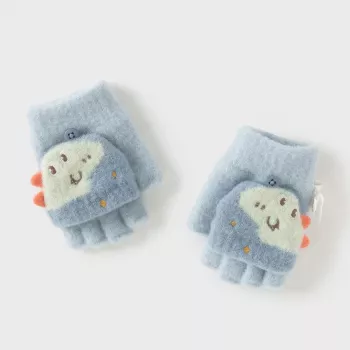
Plush Winter Toddler Gloves for Cozy Outdoor Warmth
Cold hands can cut outdoor play short, especially for toddlers who bounce between snowbanks, swings, and stroller rides. Plush winter gloves are made to trap warmth, feel gentle on sensitive skin, and stay on through busy little adventures. For many families, that comfort-first approach makes getting out the door easier—and keeps small hands happier once you’re outside.
What makes plush winter gloves a good choice for toddlers
Plush gloves focus on the things that matter most for toddlers: softness, warmth that builds quickly, and an easy feel that reduces the urge to yank them off.
- Soft, fuzzy liners help hold body heat while reducing scratchy sensations that can lead to glove-removal battles.
- Thicker construction can warm hands quickly after a cold car seat buckle, stroller bar, or first touch of snow.
- A cozy interior can be more comfortable than slick technical fabrics for everyday errands, daycare drop-off, and short outdoor play sessions.
- Plush styles often prioritize comfort and ease of wear, which matters most for toddlers learning to tolerate winter gear.
For families navigating quick transitions—car to store, store to parking lot, parking lot to home—plush gloves often hit the sweet spot between warmth and cooperation.
Key comfort and warmth features to look for
Toddlers don’t need mountaineering gear for every winter outing, but a few details can make a big difference in warmth, dryness, and how long the gloves stay on.
- Insulating layers: A warm inner pile paired with a protective outer layer helps keep heat in and cold air out.
- Cuff coverage: Longer cuffs reduce gaps at the wrist where cold air and snow can sneak in.
- Secure closure: Elastic wrists, adjustable straps, or snug cuffs help gloves stay on without pinching.
- Breathability: Materials that don’t trap sweat help prevent clammy hands that can feel colder over time.
- Soft seams and lining: Flat or well-covered seams reduce irritation and improve all-day wearability.
- Grip-friendly palm: Light texture can help toddlers hold sled handles, stroller rails, and toys without constant slipping.
If you’re planning a longer outing, remember that wind chill can make mild temperatures feel much colder; it’s helpful to check guidance like the National Weather Service wind chill chart before heading out.
Fit and sizing for tiny hands
Warmth depends on fit. Too tight can feel restrictive and chilly, while too loose can twist, slide, and let cold air rush in.
- Measure hand length from the wrist crease to the tip of the middle finger; compare with the size guide if available.
- Allow a small amount of growing room, but avoid oversized gloves that slide, twist, or reduce grip.
- Check thumb placement: A poorly placed thumb can make the glove feel tight even when the length seems correct.
- Prioritize easy on/off: Wider openings and flexible cuffs help when dressing a wiggly toddler in a hurry.
- Consider layering needs: If a thin liner glove might be used underneath, account for the extra thickness.
Quick checklist for choosing toddler winter gloves
| Feature | Why it matters | Practical test |
|---|---|---|
| Warm lining | Helps maintain comfortable hand temperature | Touch inside: should feel plush and non-itchy |
| Secure cuff | Reduces slipping off and blocks drafts | Tug gently at the glove; it should resist sliding |
| Coverage length | Prevents wrist exposure when arms lift | Raise toddler’s arms; confirm sleeves and gloves overlap |
| Dexterity | Supports play without frustration | Have toddler pick up a small toy while wearing gloves |
| Care ease | Frequent cleaning is common in winter | Check label for machine-wash or simple spot-clean guidance |
Keeping gloves on: anti-lost and stay-put strategies
Even the warmest gloves won’t help if they end up on the sidewalk. A few small tactics can reduce lost gear and mid-walk meltdowns.
For broader cold-weather safety reminders—like dressing in layers and watching for cold-related stress—resources from the CDC on winter weather safety can be useful for planning outdoor time.
Care and cleaning for plush materials
When plush winter gloves work best (and when to switch styles)
For additional guidance on staying safe in cold conditions with kids, the American Academy of Pediatrics winter safety tips are a solid reference.
Product spotlight: Plush Winter Toddler Gloves for Cozy Outdoor Warmth
If you want a comfort-forward option that toddlers are more likely to accept, Plush Winter Toddler Gloves for Cozy Outdoor Warmth are designed to keep little hands comfortable during winter outings with a soft, plush feel. They’re a practical pick for everyday cold weather—especially for quick park trips, stroller walks, and on-the-go errands when you want warmth without fuss.
For a cozy warm-up after outdoor play, consider adding at-home heat to your routine with the Infrared Sauna for One Person—an indoor comfort option for adults when winter days run long.
FAQ
Are plush winter gloves warm enough for snow play?
They can be warm for light snow and shorter play sessions, especially when the lining is thick and the cuff seals well. For extended wet snow play, look for more water-resistant outer layers and longer cuffs to help keep hands dry and warm.
How can gloves be kept on a toddler who pulls them off?
Start with comfort and fit—itchy seams or a tight thumb area can make toddlers tear gloves off quickly. Choose secure cuffs or adjustable closures, put gloves on before hands get cold, and use mitten clips or a glove leash to prevent loss.
What size should toddler gloves be if the child is between sizes?
Go with the closer fit if the gloves tend to run roomy, leaving just a little extra space for warmth without losing grip. Confirm the thumb placement feels natural and the cuff stays secure when your toddler moves their arms.
Recommended for you

Is Metal Wall Art Still in Style? 2026 Trends & Tips
Aug 12, 2026













Leave a comment