-
Shop
- Adidas
- Advanced Technologies
- AI Skills Mastery 2026 Collection
- Apple Accessories
- Best-Sellers
- Car Accessories
- Dating & Social Confidence
- Dating & Social Skills
- Digital Resources
- Education & Learning
- Family & Parenting
- Fashion
- Fashion Accessories
- Furniture
- Gadgets
- Health & Beauty
- Health & Wellness
- Home & Garden
- Home Supplies
- Kids & Babies
- Kitchen Best-Sellers
- Lighting
- Nike
- Patio, Lawn & Garden
- Personal Growth
- Pet Care
- Pet Supplies
- Pets
- Shoes
- Sport & Outdoors
- Stress Relief & Relaxation
- Summer 2025 Fashion Collection
- Sunglasses
- Super Deals
- Travel
- Travel & Outdoors
- Wealth
- Wealth Building
- Women’s Wellness & Lifestyle
- Popular
- Best deals
Ice-Crack Gradient Ceramic Planter: Style + Care Tips
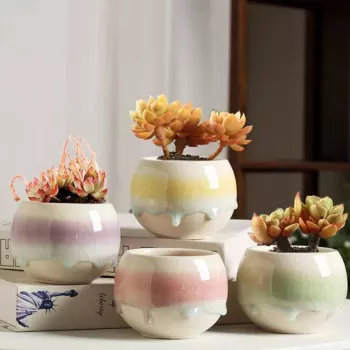
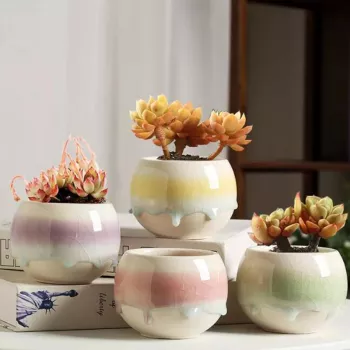
Ice Crack Gradient Ceramic Planter
A crackle-glaze look and soft gradient finish can elevate everyday greenery into a focal point. This planter is designed for indoor styling, shelf displays, and plant corners where texture and color matter as much as function. Use it to frame small houseplants, propagate a cutting in style, or refresh a desk with a calmer, more natural accent.
What Makes the Ice-Crack Gradient Look Stand Out
The ice-crack effect brings a refined, hand-finished character to modern interiors—without needing loud color or busy patterns. The result is a planter that looks intentional whether it’s holding a single stem cutting or a fuller foliage plant.
- Crackle-style surface creates a fine, webbed pattern that adds depth even in neutral rooms.
- Gradient coloring helps the planter blend with both light and dark décor palettes without looking flat.
- Glossy ceramic finish pairs well with natural materials like wood, rattan, linen, and stone.
- Works as a single statement piece or as part of a grouped arrangement with varied heights.
Best Placements for a Clean, Modern Plant Display
Where the planter sits often matters as much as what you plant in it. Ceramic adds visual weight and polish, so it shines in spots that benefit from a touch of structure and shine.
- Windowsills: position slightly back from harsh midday sun to reduce rapid soil drying.
- Coffee tables and consoles: use a small tray or coaster under the base to protect surfaces.
- Desks and shelves: choose lower-maintenance plants to keep the look tidy with minimal fuss.
- Entryways: pair with a catch-all dish or candle to create a cohesive vignette.
- Bathroom styling: suitable for humidity-loving plants if airflow is decent and surfaces are protected.
For quick reference on container basics and indoor plant care, the Royal Horticultural Society (RHS) and Clemson Cooperative Extension both offer practical guidance that translates well to everyday home setups.
Plant Pairings That Look Right in a Crackle-Glaze Ceramic Pot
The crackle texture and smooth gradient make a strong backdrop for plants with distinct silhouettes—trailing, upright, or compact and sculptural. Match the plant’s shape to the vibe of the room: airy and cascading for softness, or upright and architectural for clean lines.
- Pothos, philodendron, and trailing peperomia for a soft cascade over the rim.
- Snake plant or dwarf ZZ plant for upright structure and an architectural silhouette.
- Succulents and haworthia for a compact, sculptural look (use a gritty mix and avoid overwatering).
- Mini ferns for texture contrast (keep soil lightly moist, never soggy).
- Herbs like mint or basil for bright, functional countertop greenery (ensure good drainage and frequent light).
Care, Watering, and Drainage Tips for Ceramic Planters
Ceramic planters are ideal for indoor styling because they’re sturdy and easy to wipe clean, but watering strategy matters. The key is to avoid standing water at the bottom of the pot (especially in glossy ceramic, where excess moisture is less forgiving).
- Check whether the planter has a drainage hole; if not, use it as a cover pot with a plastic nursery pot inside.
- If using as a cover pot: remove the inner pot to water, let it drain fully, then return it to avoid standing water.
- For direct planting: add a breathable base layer only if needed for stability; prioritize a proper potting mix over rocks.
- Use a saucer or felt pads to help prevent moisture marks on wood and stone surfaces.
- Wipe exterior with a soft, damp cloth; avoid abrasive scrubbers that can dull the glaze.
Quick Setup Guide
| Use Case | Recommended Setup | Why It Helps |
|---|---|---|
| No drainage hole (cover pot) | Keep plant in a nursery pot + add a saucer/coaster | Prevents root rot and protects surfaces |
| Has drainage hole (direct plant) | Potting mix matched to plant type + saucer | Improves watering control and airflow around roots |
| Succulents/cacti | Gritty mix + bright light + lighter watering | Reduces risk of overwatering in ceramic containers |
| Trailing houseplants | Standard indoor mix + even moisture + rotate weekly | Encourages balanced growth and a fuller drape |
Styling Ideas: From Minimal to Maximal
The ice-crack gradient finish plays well with both restrained interiors and layered, collected spaces. Small shifts—like top-dressing or nearby textures—can make the same planter feel crisp and modern or warm and organic.
- Minimal: pair with one plant variety and repeat the color elsewhere (a book spine, textile, or candle).
- Warm natural: combine with terracotta tones, woven baskets, and light oak accents to highlight the crackle texture.
- Monochrome: set it against a white or charcoal backdrop so the gradient becomes the subtle focal point.
- Layered display: mix with one matte planter and one metallic accent for contrast in sheen.
- Seasonal refresh: swap top-dressing (moss, pebbles, bark chips) to update the look without changing the planter.
What to Check Before Buying
Shop Similar Picks (In Stock)
- Ice Crack Gradient Ceramic Planter — a glossy crackle-glaze ceramic accent with a soft gradient finish.
- Infrared Sauna for One Person — a home comfort upgrade for a calm, spa-like routine.
- Adidas Women’s Pink Print Hooded Sweatshirt — a cozy layer for plant-care days and laid-back lounging.
FAQ
Does a ceramic planter need a drainage hole?
A drainage hole is strongly recommended for direct planting because it lets excess water escape. If there’s no hole, use the ceramic planter as a cover pot with a nursery pot inside, and never let water pool at the bottom.
How should a crackle-glaze ceramic planter be cleaned?
Wipe the exterior with a soft, damp cloth and use mild soap if needed. Avoid abrasive scrubbers or harsh cleaners that can dull the glaze, and protect furniture surfaces with a saucer, coaster, or pads.
What plants work best in this style of planter indoors?
Easy indoor choices include pothos, snake plant, ZZ plant, philodendron, and peperomia. Compact succulents also work well when paired with a gritty mix and a lighter watering routine.
Recommended for you
Plush Bow Claw Clips: 4-Pack Grip for Thick Hair
Sep 15, 2026










Leave a comment