-
Shop
- Adidas
- Advanced Technologies
- AI Skills Mastery 2026 Collection
- Apple Accessories
- Best-Sellers
- Car Accessories
- Dating & Social Confidence
- Dating & Social Skills
- Digital Resources
- Education & Learning
- Family & Parenting
- Fashion
- Fashion Accessories
- Furniture
- Gadgets
- Health & Beauty
- Health & Wellness
- Home & Garden
- Home Supplies
- Kids & Babies
- Kitchen Best-Sellers
- Lighting
- Nike
- Patio, Lawn & Garden
- Personal Growth
- Pet Care
- Pet Supplies
- Pets
- Shoes
- Sport & Outdoors
- Stress Relief & Relaxation
- Summer 2025 Fashion Collection
- Sunglasses
- Super Deals
- Travel
- Travel & Outdoors
- Wealth
- Wealth Building
- Women’s Wellness & Lifestyle
- Popular
- Best deals
Magic Clay Pad Guide: Smooth Paint After Every Wash
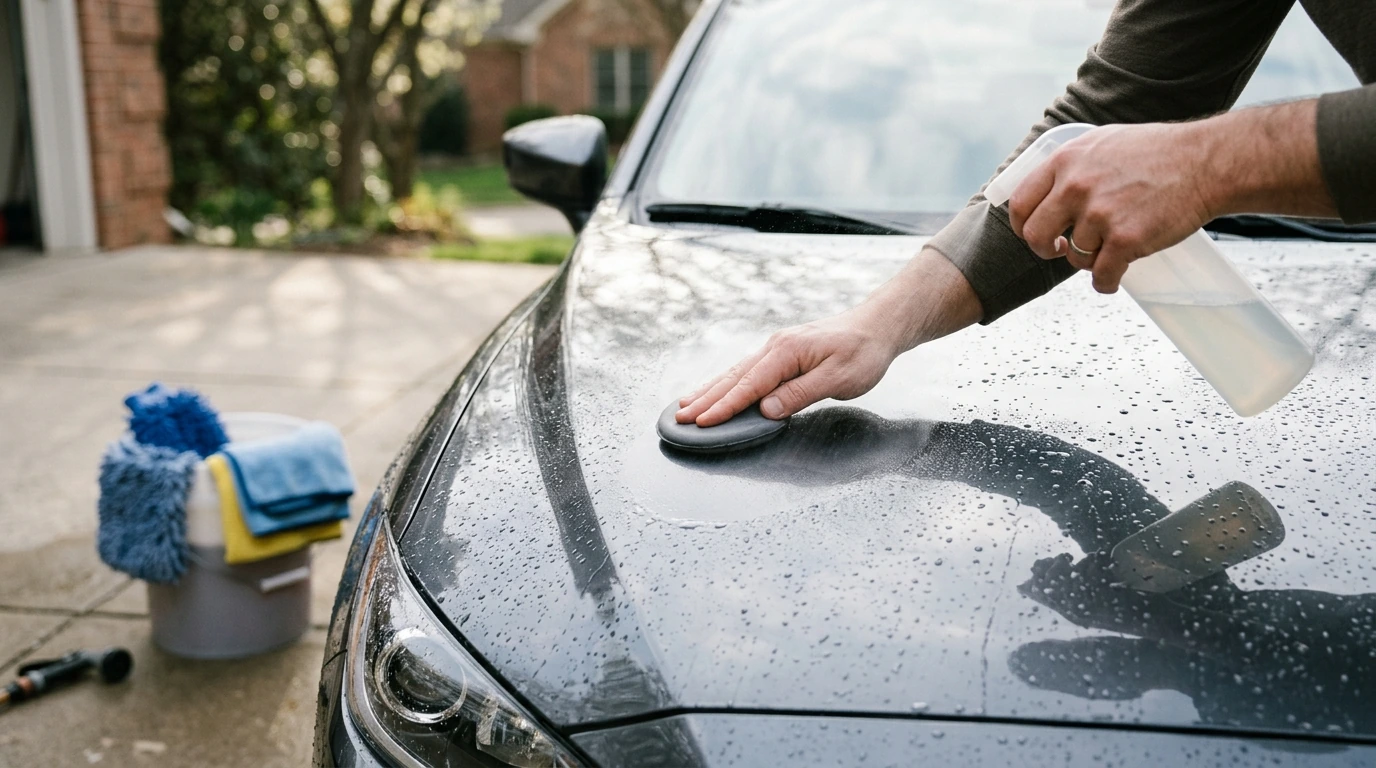
Smooth Paint Decontamination for Faster Car Wash Detailing
A clay pad is built to lift stubborn bonded contaminants that normal washing leaves behind—helping paint feel slick and look clearer before waxing, sealing, or polishing. If your hood or roof still feels “gritty” after a careful wash, a clay pad is often the missing step between clean and truly smooth. Below is a practical guide to what a magic clay bar pad does, when to use it, and how to get safe, consistent results on paint, glass, and glossy trim. For more guidance, see Super happy magic clay cloth – anyone use these things yet?.
What a Clay Pad Does During a Wash
Even with a great shampoo and a gentle wash mitt, some contamination stays stuck to the clear coat. A clay pad removes those bonded bits mechanically, leaving a smoother surface that’s easier to protect. For further reading, see Clay bar, or polishing compound?? – ThirdGen.Org.
- Targets bonded contamination such as road film, industrial fallout, rail dust, and overspray that clings to clear coat.
- Improves surface smoothness so waxes, sealants, and ceramic sprays spread more evenly and tend to bond better.
- Helps reduce the “gritty” feel that causes towel drag during drying, lowering the chances of micro-marring.
- Best used after a thorough wash and before wax, sealant, ceramic spray, or polishing.
For professional technique and safe handling standards, it helps to follow widely accepted detailing best practices from organizations like the International Detailing Association (IDA).
Red Magic Clay Bar Pad Overview
The Red Magic Clay Bar Pad for Car Wash & Auto Detailing is designed for quick, repeatable decontamination without the constant kneading that traditional clay bars require. The pad format keeps a broad, flat contact patch, which can speed up coverage on hoods, roofs, and trunk lids—areas that collect the most fallout.
- Pad format offers a broad contact area for quicker coverage than a traditional clay bar.
- Designed for use with ample lubrication to safely glide across paint and glass.
- Useful for routine decontamination on daily drivers, especially on horizontal panels that collect fallout.
- A practical option for DIY detailers looking for a repeatable process without kneading clay.
Tip: A clay pad is most satisfying when paired with a protection step right after—once contaminants are removed, the surface is “cleaner” but also more exposed to the environment.
Clay Pad vs Clay Bar vs Clay Mitt: Which Fits the Job?
All clay-style tools aim to remove bonded contamination, but they feel different in use and suit different scenarios.
Quick comparison for common decontamination tools
| Tool | Best for | Pros | Watch-outs |
|---|---|---|---|
| Clay bar | Tight curves, targeted spots | Conforms well; precise control | Must knead often; discard if dropped; slower |
| Clay pad | Large flat panels, steady glide | Fast coverage; easy to keep flat; rinseable | Needs generous lubrication; avoid dry passes |
| Clay mitt/towel | Maintenance decon on multiple vehicles | Very quick; easy handling | Can induce marring if pressure is high or surface is dry |
For neglected paint or heavy contamination, the best results often come from combining chemical decontamination (like an iron remover) with mechanical decontamination (clay). Paint correction leaders like 3M’s automotive paint repair resources highlight how surface prep influences finishing and clarity.
Step-by-Step: Safe Use for Smooth Results
Claying is simple, but the details matter. Most marring comes from rushing, working too dry, or claying paint that still has loose grit on it.
- Wash first: Remove loose dirt with a proper wash method. Never clay a dusty or gritty surface.
- Work cool and shaded: Hot panels can flash-dry lubrication and increase marring risk.
- Use plenty of lubrication: Use a dedicated clay lube or a slick rinseless/waterless solution mixed per label. The panel should stay wet and slippery.
- Glide with light pressure: Move in straight lines with minimal force. If it grabs, stop—add more lube—and continue.
- Check the surface: After a few passes, feel the area with a clean hand inside a thin plastic bag to “amplify” remaining roughness.
- Rinse or wipe residue: Keep the pad face clean. If it loads up, rinse it and continue; don’t grind contamination into the paint.
- Protect afterward: Apply wax, sealant, or ceramic spray. A decontaminated surface benefits from protection right away to slow recontamination.
Where a Clay Pad Works Best (and Where to Be Cautious)
Common Mistakes That Cause Marring
When to Decontaminate and What to Expect
Shop Related Items
FAQ
Can a clay pad remove scratches or swirl marks?
No. Claying removes bonded contamination on top of the paint; it doesn’t level the clear coat like polishing does. In some cases, removing grime can make existing swirls more noticeable, and polishing is the correct step for correction.
What can be used as clay lubricant if dedicated lube isn’t available?
A properly diluted rinseless wash solution or a quality waterless wash product can work as long as it provides plenty of slickness and keeps the surface wet. Avoid dish soap or harsh cleaners, which can reduce lubrication and increase the chance of marring.
How often should a car be clayed?
A practical schedule is every 3–6 months for most daily drivers, or anytime before applying long-lasting protection or doing paint correction. If the paint still feels rough after washing—especially on the hood and roof—it’s a good sign it’s time.
Recommended for you

A5 Strap Notebook for Work: Organized Notes Anywhere
Sep 19, 2026













Leave a comment