-
Shop
- Adidas
- Advanced Technologies
- AI Skills Mastery 2026 Collection
- Apple Accessories
- Best-Sellers
- Car Accessories
- Dating & Social Confidence
- Dating & Social Skills
- Digital Resources
- Education & Learning
- Family & Parenting
- Fashion
- Fashion Accessories
- Furniture
- Gadgets
- Health & Beauty
- Health & Wellness
- Home & Garden
- Home Supplies
- Kids & Babies
- Kitchen Best-Sellers
- Lighting
- Nike
- Patio, Lawn & Garden
- Personal Growth
- Pet Care
- Pet Supplies
- Pets
- Shoes
- Sport & Outdoors
- Stress Relief & Relaxation
- Summer 2025 Fashion Collection
- Sunglasses
- Super Deals
- Travel
- Travel & Outdoors
- Wealth
- Wealth Building
- Women’s Wellness & Lifestyle
- Popular
- Best deals
Moschino Green Acetate Sunglasses: 100% UV Guide
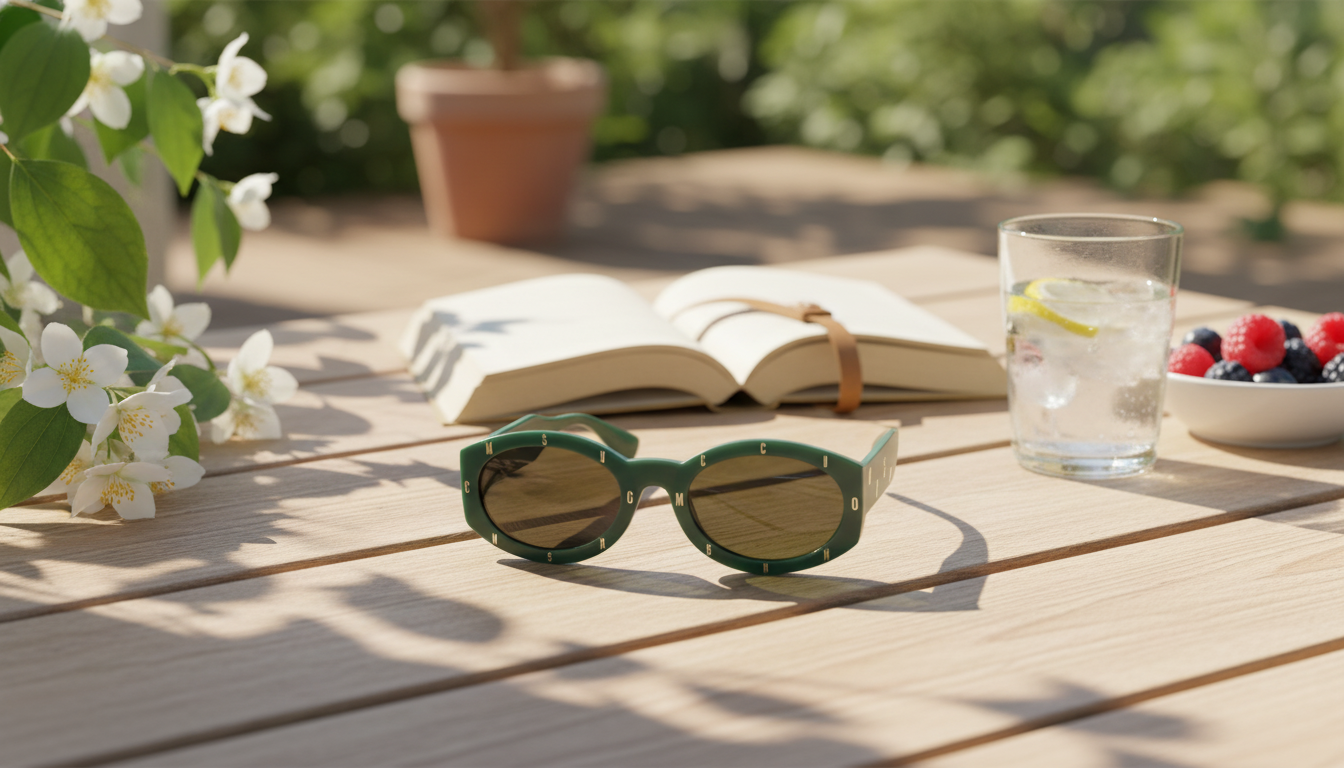
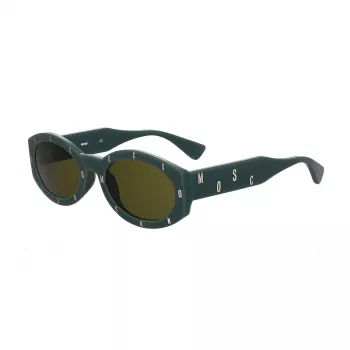
Moschino Women’s Green Acetate Sunglasses with 100% UV Protection
A bold green frame in polished acetate paired with full UV coverage makes these Moschino sunglasses an easy warm-weather staple. The material choice gives the frame a premium feel, while 100% UV protection supports everyday eye comfort in bright conditions. Below is a practical guide to what acetate feels like, how UV protection works, how to think about fit, and the simple care habits that keep lenses clear and the frame glossy. For more guidance, see Learn More About AHLEM’s Partnership with (RED).
Quick look: what stands out
- Acetate frame with a smooth, substantial feel compared with many lightweight plastics
- 100% UV protection for everyday sun exposure
- Green frame color that reads playful while remaining wearable with neutrals
- Designer styling suited to city wear, travel, and casual weekends
Material focus: why acetate matters
Acetate is a plant-based plastic widely used in premium eyewear because it takes a high polish and can hold complex, dimensional color. In hand, it often feels a touch “warmer” and more solid than injected plastic, which can translate to a steadier fit and a more elevated finish. For further reading, see womens : 1940s/50s by SAFILO (ITALY) – vintage sunglasses.
Another advantage is appearance: acetate’s pigments can be layered, so color looks richer under sunlight rather than flat. If the frame construction allows, an optician may be able to do small fit adjustments—like aligning the temples—so the sunglasses sit more evenly on your face. With the right care, acetate can maintain its shine for years, especially when it’s kept away from prolonged heat and stored properly between wears.
UV protection: what “100% UV” means in practice
“100% UV protection” generally indicates the lenses are designed to block both UVA and UVB rays, which is important for daily eye protection during routine outdoor time. For additional context on why UV protection matters, see guidance from the American Academy of Ophthalmology and the CDC.
It’s also worth knowing what UV protection is not: lens darkness (how tinted the lenses look) doesn’t automatically equal better UV filtering. UV filtering comes from the lens material and/or coatings—not the shade of the tint. In high-glare environments like driving, boating, or snow days, comfort depends on more than a UV rating: face coverage, lens condition, and how much stray light enters from the sides all play a role.
If lenses become heavily scratched or coatings appear damaged, clarity can decline and your eyes may work harder to focus. At that point, replacing the lenses (if possible) or the pair can restore crisp vision and comfortable wear.
Style and color pairing: making green frames easy to wear
Green frames can feel bold at first, but they’re surprisingly versatile when the outfit base is simple. Think of the color as a statement accessory: it adds character without needing loud patterns or complicated layering.
- Easy matches: black, white, denim, beige, cream, olive, and other earth tones keep the look balanced.
- Jewelry pairings: gold and warm metals echo the sunnier vibe; silver gives a sharper, more modern contrast.
- When going bolder: repeat the green in small accents (a bag, sandals, or a scarf) instead of matching head-to-toe.
- Silhouette tip: saturated frames pop best against clean lines—tees, button-downs, simple dresses, and minimal outerwear.
Fit and comfort checklist before buying
Great sunglasses should feel secure and “forget-you’re-wearing-them” comfortable. Since acetate has a more substantial build, it can feel especially stable when the bridge and temples fit correctly.
- Bridge comfort: the frame should sit securely without pinching or sliding down during walking.
- Temple fit: arms should feel snug without pressure behind the ears; too much pressure can lead to headaches over longer wear.
- Coverage: lenses should cover the eye area well to reduce stray light from the top and sides.
- Face shape balance: thicker acetate adds structure (great for softer features), while slimmer profiles can look visually lighter.
Product details at a glance
For shoppers who like a quick spec check, here’s a summary of the key details for this pair.
| Detail | Value |
|---|---|
| Product | Moschino Women’s Green Acetate Sunglasses with 100% UV Protection |
| Frame material | Acetate |
| UV protection | 100% UV protection |
| Frame color | Green |
| Price | 250.57 USD |
| Stock status | In stock |
If you’re ready to shop, you can find the product page here: Moschino Women’s Green Acetate Sunglasses with 100% UV Protection.
Care and cleaning for acetate frames and coated lenses
Acetate keeps its polished look best with gentle cleaning and smart storage. A few small habits can help preserve both the gloss of the frame and the clarity of the lenses.
When to replace sunglasses
You may also like (in stock)
- 6-in-1 Hair Dryer Brush & Curling Iron Set – Ionic Hot Air Styler for All Hair Types
- Cloud Modular Sectional Sofa with Deep Seats and Storage Ottomans
- Waterproof Dog Coat for Small and Medium Dogs – Lightweight and Warm
FAQ
Do darker lenses provide better UV protection?
No. Tint darkness doesn’t indicate UV filtering—UV protection comes from the lens material/coatings and labeling (such as 100% UVA/UVB protection), not how dark the lens looks.
Is acetate a good material for everyday sunglasses?
Yes. Acetate is popular for everyday wear because it feels smooth and substantial, looks polished, and can show richer color depth; durability is best supported by careful storage and avoiding high heat.
How should acetate sunglasses be cleaned?
Rinse with lukewarm water first, then use a microfiber cloth with lens-safe cleaner. Avoid harsh chemicals, paper towels, and prolonged heat, and store the pair in a protective case between uses.












Leave a comment