-
Shop
- Adidas
- Advanced Technologies
- AI Skills Mastery 2026 Collection
- Apple Accessories
- Best-Sellers
- Car Accessories
- Dating & Social Confidence
- Dating & Social Skills
- Digital Resources
- Education & Learning
- Family & Parenting
- Fashion
- Fashion Accessories
- Furniture
- Gadgets
- Health & Beauty
- Health & Wellness
- Home & Garden
- Home Supplies
- Kids & Babies
- Kitchen Best-Sellers
- Lighting
- Nike
- Patio, Lawn & Garden
- Personal Growth
- Pet Care
- Pet Supplies
- Pets
- Shoes
- Sport & Outdoors
- Stress Relief & Relaxation
- Summer 2025 Fashion Collection
- Sunglasses
- Super Deals
- Travel
- Travel & Outdoors
- Wealth
- Wealth Building
- Women’s Wellness & Lifestyle
- Popular
- Best deals
Fall Asleep Faster: 60-Min Wind-Down + Calm Mind Tips
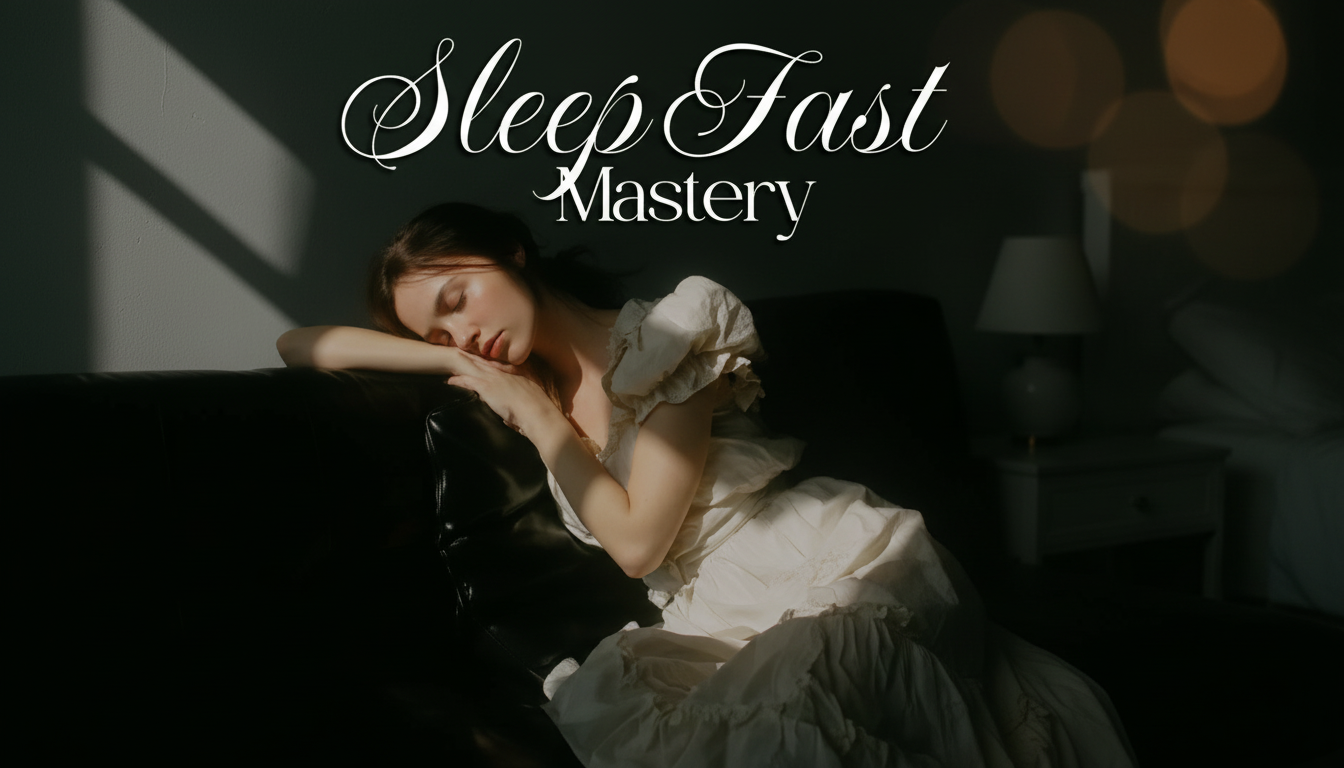
Sleep Fast Mastery Guide: A Simple System for Falling Asleep Faster and Waking Up Rested
Falling asleep quickly usually isn’t about trying harder at bedtime—it’s about removing the friction that keeps the brain alert and the body tense. The Sleep Fast Mastery Guide digital download focuses on practical evening routines and relaxation techniques that help shift from “on” to “off,” reduce mental chatter, and create conditions that make sleep come naturally. Use it as a step-by-step plan to build a calmer night, even when stress or an inconsistent schedule gets in the way.
Why falling asleep can feel hard—even when tired
If you’re exhausted but still awake, it usually means your “sleep drive” is competing with an activated nervous system or a sleep environment that sends the wrong signals.
- A busy nervous system: Stress, late-day stimulation, and unresolved thoughts keep the body in a “ready” state.
- Environmental triggers: Light, temperature, noise, and screen exposure can delay natural sleepiness.
- Behavioral loops: Spending too long in bed awake can train the brain to associate bed with wakefulness.
- Timing issues: Irregular sleep/wake times and long naps can reduce sleep pressure at night.
For a deeper look at how sleep works and why consistent patterns matter, the NHLBI overview is a helpful reference: What Happens When You Sleep (Basics of Sleep).
What “sleeping fast” actually means
“Sleeping fast” isn’t about forcing yourself to pass out on command. It’s about creating repeatable conditions that shorten the time it takes to drift off.
- A realistic goal: Reduce sleep onset time gradually, without turning bedtime into a performance.
- Focus on controllables: Routine, environment, and relaxation skills—rather than “trying to sleep.”
- Consistency over intensity: Small nightly habits repeated often usually beat occasional big overhauls.
- Track progress gently: Notice patterns (caffeine timing, stress spikes, screen time) without obsessing.
The 30–60 minute wind-down structure
A predictable wind-down works like a landing sequence: it reduces stimulation in layers and teaches your brain what comes next. When life is busy, a shorter version still counts—what matters is repeating the same general order.
Many people find it easier to follow a written sequence than to “decide” each night; that’s one reason the Sleep Fast Mastery Guide digital download can be useful for quick reference during the last hour of the day.
Sample wind-down routine options
| Time window | What to do | Why it helps | Keep it easy by |
|---|---|---|---|
| 60–45 minutes before bed | Dim lights, finish heavy tasks, set alarm, prep tomorrow basics | Reduces last-minute decision-making and bright-light stimulation | Use a short checklist and stop at “good enough” |
| 45–20 minutes before bed | Warm shower or face wash, comfortable clothes, tidy sleep space | Supports relaxation and a cooler body temperature after warming | Keep toiletries ready and repeat the same order |
| 20–10 minutes before bed | Breathing practice, gentle stretch, or brief meditation | Downshifts arousal and releases muscle tension | Set a 10-minute timer and choose one method |
| 10 minutes to lights out | Low-stimulation reading or calming audio; no scrolling | Keeps attention soft and reduces emotional activation | Use a dedicated “bedtime” book or playlist |
Relaxation techniques that reduce mental chatter
When the mind is loud, the goal isn’t to “win” against thoughts—it’s to shift attention and physiology so sleep can take over.
If you want an evidence-based framework for changing unhelpful sleep patterns, CBT-I is widely recommended; this overview explains the approach: Cognitive Behavioral Therapy for Insomnia (CBT-I) – Overview.
Set up the room for faster sleep onset
For practical, straightforward guidelines that pair well with a routine, see the CDC’s list of basics: Healthy Sleep Habits.
Daytime choices that make nights easier
One simple support is to shift stimulating tasks earlier: use tools that speed up your evening prep so your wind-down isn’t rushed—like finishing hair styling earlier with the 6-in-1 Hair Dryer Brush & Curling Iron Set – Ionic Hot Air Styler for All Hair Types, then transitioning into calmer lighting and quieter activities.
What to do if sleep doesn’t come quickly
If you need a comfortable, low-stimulation spot outside the bedroom for those brief resets, a dedicated “quiet seat” can help—some people use a separate lounge area like the Cloud Modular Sectional Sofa with Deep Seats and Storage Ottomans to keep the bed reserved for sleep.
How the Sleep Fast Mastery Guide fits into a real week
Even small friction reducers can matter: for example, if evening pet walks are part of your routine, having grab-and-go gear ready (like the Waterproof Dog Coat for Small and Medium Dogs – Lightweight and Warm) can prevent last-minute scrambling that spikes alertness before bed.
Who this guide is for (and when to get extra help)
FAQ
How long does it take to fall asleep with a better routine?
Many people notice small improvements within a few days, with more consistent changes over a few weeks. The biggest gains usually come from repeating the same wind-down steps nightly rather than doing them perfectly once in a while.
What should be avoided right before bed to fall asleep faster?
Avoid bright light and screens, stimulating or emotionally charged content, heavy meals, intense exercise too late, late-day caffeine, and stressful planning. Swap in dim lighting, a short brain-dump list, and a low-effort calming activity.
Is it better to stay in bed if wide awake, or get up?
Getting up briefly can help break the bed-awake association. Keep it low-pressure: do a calm activity in dim light and return to bed only when you feel sleepy again.
Recommended for you


Moschino Green Acetate Sunglasses: 100% UV Guide
Jun 5, 2026













Leave a comment