-
Shop
- Adidas
- Advanced Technologies
- AI Skills Mastery 2026 Collection
- Apple Accessories
- Best-Sellers
- Car Accessories
- Dating & Social Confidence
- Dating & Social Skills
- Digital Resources
- Education & Learning
- Family & Parenting
- Fashion
- Fashion Accessories
- Furniture
- Gadgets
- Health & Beauty
- Health & Wellness
- Home & Garden
- Home Supplies
- Kids & Babies
- Kitchen Best-Sellers
- Lighting
- Nike
- Patio, Lawn & Garden
- Personal Growth
- Pet Care
- Pet Supplies
- Pets
- Shoes
- Sport & Outdoors
- Stress Relief & Relaxation
- Summer 2025 Fashion Collection
- Sunglasses
- Super Deals
- Travel
- Travel & Outdoors
- Wealth
- Wealth Building
- Women’s Wellness & Lifestyle
- Popular
- Best deals
Breathing Exercises for Sleep: 5-Minute Night Checklist
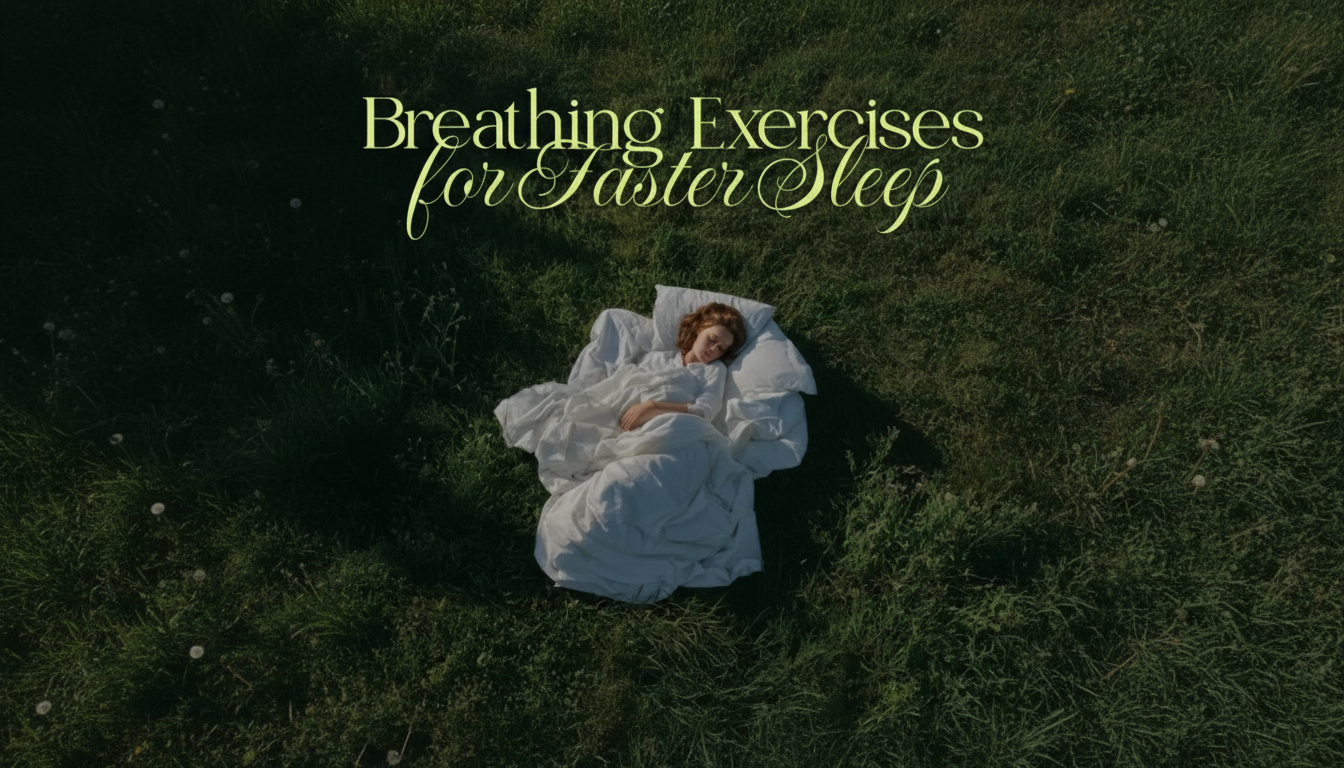
Quick Breathing Exercises for Fast Zzz’s: A Simple Sleep Checklist for Nightly Calm
A racing mind, tense shoulders, and shallow breathing can keep the body stuck in “on” mode at bedtime. A short breathing routine helps shift the nervous system toward relaxation, making it easier to drift off. Use the checklist below to practice a few calming patterns, pick what feels best, and repeat nightly for steadier sleep cues.
Before Starting: Set Up Your Body for Easy Breathing
- Choose a position: on your back with knees supported by a pillow, or side-lying with a pillow between the knees.
- Soften the jaw; let the tongue rest on the floor of the mouth.
- Place one hand on the chest and one on the belly to notice which moves more.
- Breathe through the nose if possible; if congested, inhale gently through the nose and exhale through pursed lips.
- Keep effort at about 3–4 out of 10; straining can increase alertness.
Breath control is widely used as a relaxation technique because it can help quiet the body’s stress response (see Harvard Health Publishing). If sleep has been inconsistent, it may also help to revisit general sleep foundations like schedule, light exposure, and wind-down habits (see NHLBI Healthy Sleep).
The Fast Zzz’s Checklist (Pick 1–2 Exercises)
- Start with 30–60 seconds of natural breathing to settle.
- Do one primary breathing pattern for 2–4 minutes.
- Add a short “downshift” finish: extended exhale breathing for 60–90 seconds.
- If the mind wanders, count the exhales only (1 to 10, then restart).
- Stop if dizzy; return to normal breathing and reduce the pace next time.
Quick Sleep Breathing Menu
| Exercise | How to do it | Best for | Time |
|---|---|---|---|
| Extended Exhale (1:2) | Inhale 3–4 seconds, exhale 6–8 seconds; keep shoulders relaxed | Falling asleep quickly; calming a busy mind | 2–4 min |
| 4-7-8 (gentle version) | Inhale 4, hold 2–4 (optional), exhale 6–8; reduce counts if uncomfortable | Bedtime wind-down; tension release | 4 cycles |
| Box Breathing (light) | Inhale 4, hold 2–4, exhale 4, hold 2–4; keep it easy | Resetting after stress; evening transition | 2–3 min |
| Diaphragmatic Breathing | Belly rises on inhale; slow nasal breathing; exhale slightly longer than inhale | Shallow breathers; chest tightness | 3–5 min |
| Physiological Sigh (downshift) | Two short inhales through the nose, long slow exhale; pause, repeat | Acute stress; “can’t turn off” feeling | 3–6 reps |
Step-by-Step: Extended Exhale Breathing (The Easiest Starter)
- Inhale through the nose for a comfortable 3–4 count.
- Exhale slowly for about double the inhale (6–8 count), as if fogging a mirror with lips closed.
- Let the exhale end naturally; avoid pushing air out.
- Repeat for 2–4 minutes, then return to natural breathing for 30 seconds.
- If counting feels activating, switch to: “inhale… long exhale…” without numbers.
Step-by-Step: 4-7-8 Without Strain
- Use a softer version if holding the breath feels uncomfortable: 4–2–6 or 3–2–5.
- Inhale gently through the nose, hold lightly (or skip the hold), then exhale slowly through the mouth or nose.
- Keep the face and throat relaxed; the goal is calm, not maximum air.
- Complete 4 cycles, pause, and notice heaviness in the limbs.
- If anxiety increases, switch immediately to extended exhale breathing.
Step-by-Step: Box Breathing for Evening Reset
- Choose small counts to avoid stimulation (4–2–4–2 is often enough).
- Inhale, hold, exhale, hold—each phase smooth and quiet.
- If you feel more awake after 1 minute, shorten holds or remove holds entirely.
- Pair with a quick body scan: relax forehead, shoulders, hands, belly, and feet on each exhale.
Common Problems and Quick Fixes
- Dizziness or tingling: slow down, reduce counts, and breathe normally for 30–60 seconds.
- Can’t breathe through the nose: try a warm shower earlier, saline rinse, or a gentle mouth exhale with a relaxed jaw.
- Mind won’t stop: count exhales only, or silently repeat “soften” on each exhale.
- Chest rises more than belly: place a small book on the belly and aim for a subtle lift rather than a big breath. (For more on belly breathing mechanics, see Cleveland Clinic’s diaphragmatic breathing guide.)
- Waking up after falling asleep: use 6 slow extended exhales instead of restarting a full routine.
Make It Stick: A 7-Night Routine That Builds a Sleep Cue
- Night 1–2: extended exhales only (2 minutes) to learn the “off switch.”
- Night 3–4: add diaphragmatic breathing (3 minutes) before extended exhales.
- Night 5–7: choose one pattern that feels best; keep the same order nightly.
- Keep the routine short; consistency matters more than duration.
- If insomnia is persistent, add daytime practice (1–2 minutes) to train the pattern under low pressure.
Printable Support: Sleep Checklist for Relaxation and Faster Sleep
If you want a ready-to-use page you can reference nightly, see Quick Breathing Exercises for Fast Zzz’s | Sleep Checklist for Relaxation & Breathing Exercises for Faster Sleep.
Comfort Adds Leverage: Make the Wind-Down Spot Inviting
For a cozy evening reset space, consider Cloud Modular Sectional Sofa with Deep Seats and Storage Ottomans.
FAQ
How long should breathing exercises take before bed?
Most people do well with 3–6 minutes total: a brief settle, 2–4 minutes of one pattern, and a short extended-exhale finish. Consistency and a longer exhale matter more than doing a long session.
What if breathing exercises make me feel more awake?
Switch to simpler extended-exhale breathing, remove breath holds, and lower the counts. If counting feels stimulating, stop counting and focus on softening the jaw, shoulders, and belly as you exhale.
Are breathing exercises safe for everyone?
Keep everything gentle and stop if you feel dizzy or lightheaded. If you’re pregnant or have respiratory/cardiac conditions, panic disorder, or sleep apnea concerns, check with a clinician and avoid aggressive breath retention.
Recommended for you

Moschino Green Acetate Sunglasses: 100% UV Guide
Jun 5, 2026













Leave a comment