-
Shop
- Adidas
- Advanced Technologies
- Apple Accessories
- Best-Sellers
- Car Accessories
- Dating & Social Confidence
- Dating & Social Skills
- Digital Resources
- Education & Learning
- Family & Parenting
- Fashion
- Fashion Accessories
- Furniture
- Gadgets
- Health & Beauty
- Health & Wellness
- Home & Garden
- Home Supplies
- Kids & Babies
- Kitchen Best-Sellers
- Lighting
- Nike
- Patio, Lawn & Garden
- Personal Growth
- Pet Care
- Pet Supplies
- Pets
- Shoes
- Sport & Outdoors
- Stress Relief & Relaxation
- Summer 2025 Fashion Collection
- Sunglasses
- Super Deals
- Travel
- Wealth
- Wealth Building
- Women’s Wellness & Lifestyle
Knee Support Brace for Sports: Fit, Types & Relief
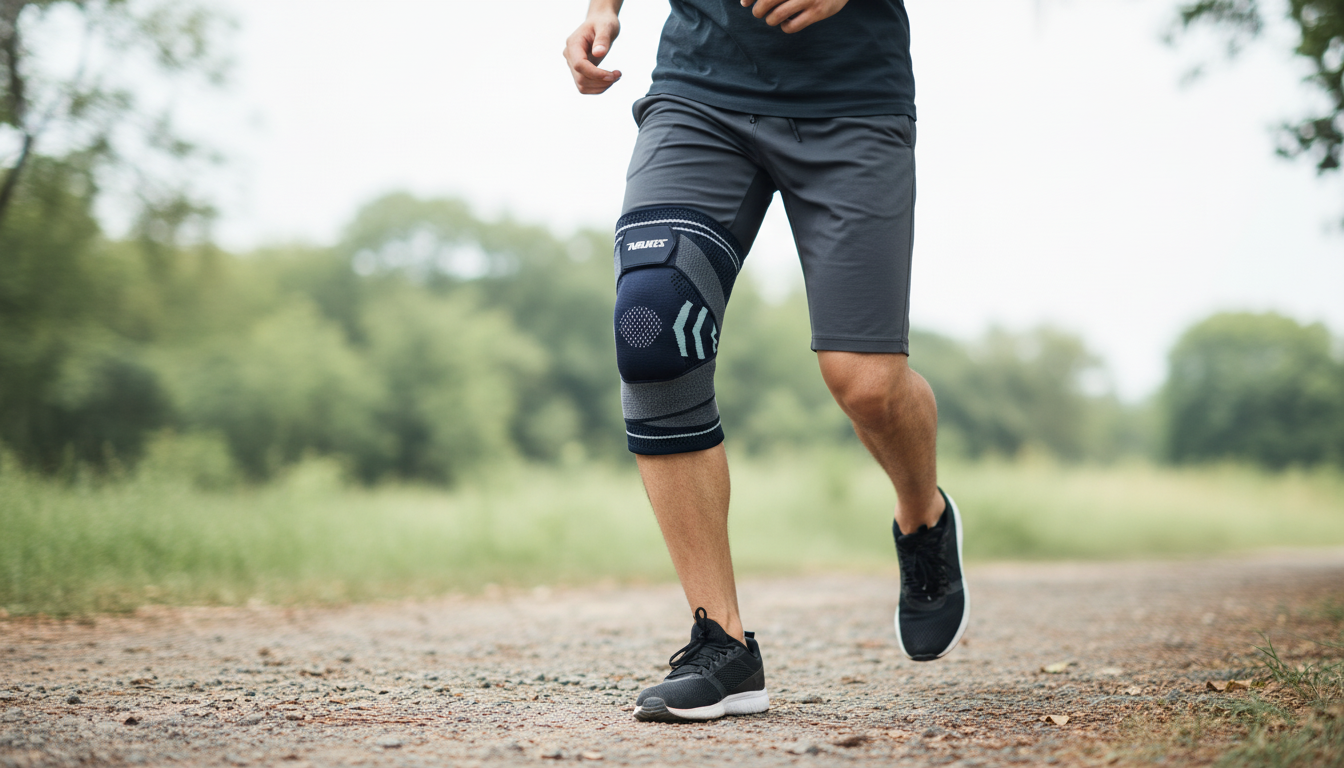
Knee Support Brace for Sports & Pain Relief
A supportive knee brace can make training and everyday movement feel more controlled by adding compression, warmth, and stability around the joint. The right fit and brace style depends on the activity, the type of discomfort, and how much support is needed without restricting motion. For many active people, the goal is simple: keep the knee feeling steady enough to move confidently while still letting it bend and straighten naturally.
How a knee brace helps during sports and active days
Knee supports are commonly used for comfort and confidence during workouts, practices, and long days on your feet. Depending on the design, a brace may help in several practical ways:
- Adds compression that may reduce the feeling of soreness and help manage minor swelling during or after activity
- Improves joint “awareness” (proprioception), which can help movement feel steadier during cutting, jumping, and quick direction changes
- Provides warmth around soft tissues, which many athletes find comforting before warm-ups and after workouts
- Helps limit irritating side-to-side motion in some brace designs while still allowing flexion/extension for running, lifting, or court sports
For a deeper overview of brace categories and use, see the American Academy of Orthopaedic Surgeons guidance on knee braces.
Common situations where support can be useful
A knee brace isn’t only for game day. Many people find it helpful in routine training and work-life situations where the joint gets irritated or fatigued.
- Return to activity after a minor strain or overuse flare-up (once cleared for movement)
- Knee discomfort during squats, lunges, stair climbing, or hiking descents
- Patellar tracking irritation or front-of-knee discomfort during running and jumping
- Light instability feelings during field sports, racquet sports, basketball, or volleyball
- Long work shifts on hard floors where knees feel achy by the end of the day
If knee pain is paired with other red flags or doesn’t settle, it helps to understand common causes and when to seek care; Mayo Clinic’s overview of knee pain symptoms and causes is a useful reference.
Choosing the right brace style for the activity
The “best” brace is the one that matches your support needs without changing your movement pattern. Too much restriction can feel stable at first but may alter mechanics and shift stress to the hips or ankles.
- Compression sleeve: best for mild pain, warmth, and everyday training without bulky straps
- Strap-supported sleeve: useful when a bit more support is needed for higher-impact sessions
- Hinged brace: designed for more pronounced instability or ligament support (typically bulkier and sport-dependent)
- Patella-focused designs: can help when discomfort is centered around the kneecap area
- Balance support with mobility: too much restriction can alter mechanics and shift stress to hips/ankles
Quick guide to brace styles and typical use cases
| Brace type | Support level | Best for | Notes |
|---|---|---|---|
| Compression sleeve | Light | General soreness, warmth, light training | Low profile; fits under most clothing |
| Sleeve with straps | Medium | Running/court sports when knee feels “loose” | Adjustable tightness; check for slipping |
| Hinged brace | High | Instability concerns and higher-support needs | Bulkier; may not suit every sport |
| Patella-focused | Targeted | Front-of-knee discomfort and kneecap tracking issues | Placement is key for comfort |
Fit and comfort: what matters most
Fit is the make-or-break factor for comfort. A brace that’s too loose slides and bunches; too tight can cause pinching or circulation issues.
- Measure the knee area according to the product’s sizing guidance; choose the size that matches measurements rather than guessing
- Aim for snug compression without numbness, tingling, or color change in the lower leg or foot
- Check edges and seams: a comfortable brace should not pinch behind the knee during deep bends
- For sports, test movement: jog lightly, do a few squats, and change direction to confirm it stays in place
- If the brace slides down, consider a different size or a design with better grip/straps; if it rolls or digs in, sizing may be too small
How to wear it for training and recovery
Support works best when it’s part of an overall plan rather than the only solution. Use it to get through the specific movements that tend to flare symptoms, while continuing to build capacity over time.
- Warm-up first: use a short warm-up to increase blood flow before relying on support for high-intensity work
- During workouts: tighten only as much as needed for stability; excessive compression can be distracting and counterproductive
- After workouts: many people prefer lighter compression for cooldown and post-training comfort
- Session planning: use the brace for the activities that trigger symptoms, not necessarily all day every day
- Pair with strength work: knee comfort often improves with progressive strengthening of quads, glutes, and calves (as appropriate for the condition)
Care and durability tips
When to avoid self-managing and get checked
Product options
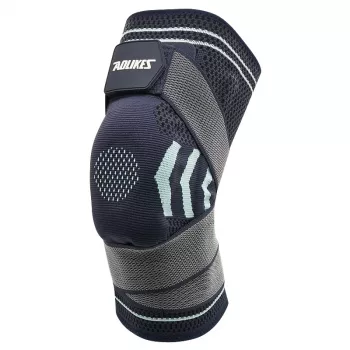
Knee Support Brace for Sports & Pain Relief
Cloud Modular Sectional Sofa with Deep Seats and Storage Ottomans
FAQ
Should a knee brace be worn all day or only during activity?
It’s usually best to wear a brace mainly during activities that trigger discomfort and for short periods after activity. Constant wear can irritate skin or encourage over-reliance, so follow clinician guidance if you’re managing a specific injury.
How tight should a knee support brace feel?
Snug and supportive is the target—never numb, tingly, cold, or throbbing. If you notice skin color changes or altered sensation in the foot, loosen or remove the brace and reassess sizing.
Can a knee brace replace strengthening or rehab exercises?
No. A brace can help reduce symptoms and improve confidence during movement, but it doesn’t rebuild strength or control. Pair support with appropriate strengthening and mobility work, and seek assessment if pain or instability persists.
Recommended for you
Was this article helpful?
Yes
No









Leave a comment