-
Shop
- Adidas
- Advanced Technologies
- AI Skills Mastery 2026 Collection
- Apple Accessories
- Best-Sellers
- Car Accessories
- Dating & Social Confidence
- Dating & Social Skills
- Digital Resources
- Education & Learning
- Family & Parenting
- Fashion
- Fashion Accessories
- Furniture
- Gadgets
- Health & Beauty
- Health & Wellness
- Home & Garden
- Home Supplies
- Kids & Babies
- Kitchen Best-Sellers
- Lighting
- Nike
- Patio, Lawn & Garden
- Personal Growth
- Pet Care
- Pet Supplies
- Pets
- Shoes
- Sport & Outdoors
- Stress Relief & Relaxation
- Summer 2025 Fashion Collection
- Sunglasses
- Super Deals
- Travel
- Travel & Outdoors
- Wealth
- Wealth Building
- Women’s Wellness & Lifestyle
- Popular
- Best deals
Hormone Harmony: Energy, Mood & Cycle Balance Guide
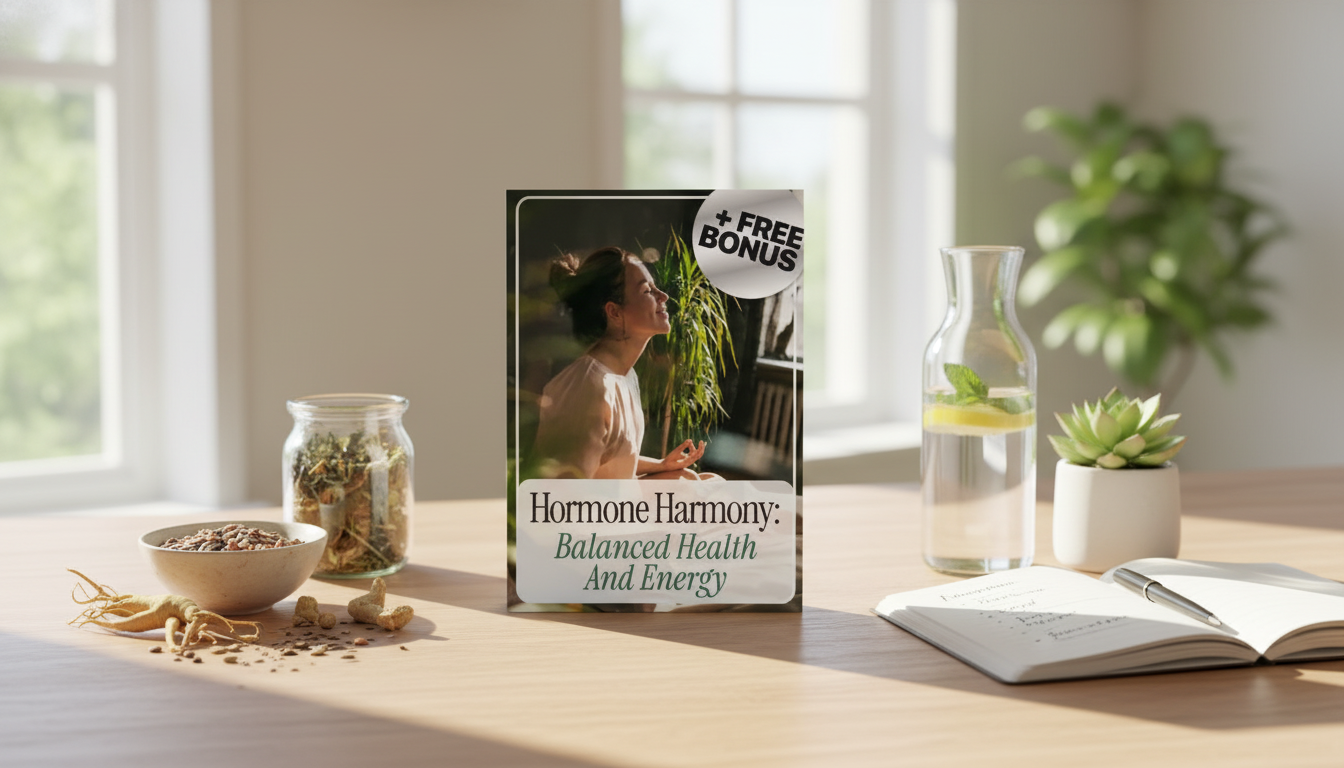
Hormone Harmony: Balanced Health and Energy
Balanced hormones help regulate steady energy, mood, sleep, appetite, metabolism, and—when applicable—a more predictable menstrual cycle. When hormones drift out of range, the signs can look like everyday stress: fatigue, cravings, brain fog, stubborn weight changes, irregular periods, low libido, acne, or sleep disruption. The good news is that many hormone-related complaints respond well to foundational lifestyle habits, especially when you track a few simple signals to spot patterns and reduce common disruptors over time.
Hormones 101: the core players and what they influence
Hormones are chemical messengers that coordinate “downstream” effects—sleep-wake timing, blood sugar control, hunger cues, temperature regulation, and reproductive cycles. A few key players tend to show up most often in day-to-day symptoms:
- Insulin: regulates blood sugar; frequent spikes can drive cravings, energy crashes, and fat storage. For a helpful overview, see the NIDDK guide on insulin resistance.
- Cortisol: the stress hormone; chronically elevated levels can disrupt sleep, appetite, and cycle regularity.
- Thyroid hormones (T3/T4): influence metabolic rate, temperature regulation, and energy; symptoms can overlap with stress and under-fueling.
- Estrogen and progesterone: shape the menstrual cycle, mood, skin, sleep, and fluid balance; imbalance can show up as PMS, irregular cycles, or heavy bleeding. The ACOG menstrual cycle FAQ is a solid starting point.
- Testosterone: supports libido, muscle maintenance, motivation, and energy in all genders; too high/low can affect skin and mood.
- Melatonin: coordinates sleep timing; late-night light exposure and inconsistent schedules can interfere with production. The Office on Women’s Health offers a helpful overview of hormone basics.
Common signs of imbalance and what to rule out first
Hormone shifts rarely show up as one isolated symptom. More often, they look like a cluster that repeats in a pattern.
- Energy and mood: persistent fatigue, afternoon crashes, anxiety, irritability, or low motivation.
- Sleep: trouble falling asleep, waking at 2–4 a.m., or unrefreshing sleep.
- Cycle clues: irregular periods, pronounced PMS/PMDD symptoms, spotting, heavy bleeding, or severe cramps.
- Metabolic clues: increased cravings, weight changes without clear cause, or difficulty building muscle.
- Skin and hair: acne flares, hair thinning, or increased facial/body hair changes.
Before assuming it’s “just hormones,” rule out the basics that commonly mimic hormone symptoms: insufficient calories or protein, dehydration, iron deficiency, low vitamin D, medication side effects, overtraining, and untreated sleep apnea.
Seek medical support sooner rather than later for sudden severe symptoms, missed periods for 3+ months (when pregnancy isn’t a factor), very heavy bleeding, fainting, signs of thyroid dysfunction, or signs of diabetes (such as excessive thirst, frequent urination, or unexplained weight changes).
Food foundations that support hormone stability
Steadier blood sugar and consistent nourishment create a calmer baseline for many hormone systems—especially insulin and cortisol.
- Build a balanced plate: protein + fiber + healthy fats help reduce blood-sugar swings.
- Protein targets: include a protein source at each meal (eggs, fish, poultry, tofu/tempeh, beans/lentils, Greek yogurt).
- Fiber daily: vegetables, berries, beans, oats, chia/flax; supports gut health and healthy estrogen metabolism.
- Fats that help: omega-3s (salmon, sardines, chia, walnuts), olive oil, avocado; limit deep-fried and ultra-processed fats.
- Carb quality and timing: prioritize whole-food carbs; pair with protein and fat; consider earlier-day carbs if late-night hunger disrupts sleep.
- Micronutrients to prioritize: magnesium-rich foods (leafy greens, cacao, beans), selenium (Brazil nuts), zinc (pumpkin seeds, seafood), iodine (iodized salt; seaweed in moderation).
- Caffeine and alcohol: reduce if sleep, anxiety, hot flashes, or PMS worsen; avoid caffeine late morning/afternoon if sensitive.
Simple meal framework for steadier energy
| Goal | What to include | Easy examples |
|---|---|---|
| Fewer energy crashes | 25–35 g protein + fiber at breakfast | Greek yogurt + berries + chia; eggs + sautéed greens + whole-grain toast |
| More stable cravings | Protein snack with fat/fiber | Apple + peanut butter; hummus + carrots; cottage cheese + cucumber |
| Better sleep support | Earlier dinner, lighter late snacks | Salmon + roasted vegetables; lentil soup; kiwi or tart cherry if tolerated |
| Cycle support | Iron- and magnesium-rich foods | Beans/lentils, leafy greens, pumpkin seeds, cacao, fortified cereals |
Movement that improves insulin sensitivity without burning out
Sleep and stress regulation: the fastest wins for cortisol balance
AI-assisted tracking tools: turning symptoms into patterns
Putting it together: a 14-day reset plan
Guide and tools to support daily consistency
If you want a single reference for habit building, symptom tracking, and practical routines, Hormone Harmony: Balanced Health and Energy | Complete Guide to Balanced Hormone Health, Natural Lifestyle Tips & AI Tracking Tools brings hormone education together with natural lifestyle strategies and tech-enabled tracking templates—useful for anyone noticing fluctuating energy, PMS patterns, stress-related sleep disruption, or inconsistent cravings.
For a small “environment upgrade” that supports wind-down routines and reduces morning rush stress, a comfortable, supportive living space can help you actually stick with your evening routine. The Cloud Modular Sectional Sofa with Deep Seats and Storage Ottomans adds cozy seating and storage—handy for keeping blankets, journals, or relaxation tools within reach.
FAQ
How long does it take to notice improvements in hormone balance with lifestyle changes?
Sleep quality and cravings often improve within 1–2 weeks when wake time, protein intake, and evening routines become more consistent. Cycle-related changes commonly take 2–3 cycles, so look for trendlines rather than day-to-day perfection.
What are the most helpful things to track for hormone-related symptoms?
Start with sleep time/quality, energy, mood, cravings, cycle day/flow, training intensity, alcohol/caffeine, and stress level. Weekly summaries make patterns easier to see—especially links between late caffeine, poor sleep, and next-day cravings or irritability.
When should testing or medical evaluation be considered?
Consider evaluation for very heavy bleeding, missed periods, severe mood symptoms, signs of thyroid issues, symptoms of diabetes, or sudden changes that feel out of character. If symptoms persist despite consistent basics (sleep, nutrition, manageable training), clinician guidance can help identify underlying causes.













Leave a comment