-
Shop
- Adidas
- Advanced Technologies
- AI Skills Mastery 2026 Collection
- Apple Accessories
- Best-Sellers
- Car Accessories
- Dating & Social Confidence
- Dating & Social Skills
- Digital Resources
- Education & Learning
- Family & Parenting
- Fashion
- Fashion Accessories
- Furniture
- Gadgets
- Health & Beauty
- Health & Wellness
- Home & Garden
- Home Supplies
- Kids & Babies
- Kitchen Best-Sellers
- Lighting
- Nike
- Patio, Lawn & Garden
- Personal Growth
- Pet Care
- Pet Supplies
- Pets
- Shoes
- Sport & Outdoors
- Stress Relief & Relaxation
- Summer 2025 Fashion Collection
- Sunglasses
- Super Deals
- Travel
- Travel & Outdoors
- Wealth
- Wealth Building
- Women’s Wellness & Lifestyle
- Popular
- Best deals
35000 RPM Cordless Nail Drill: Safe Speed & Bit Guide
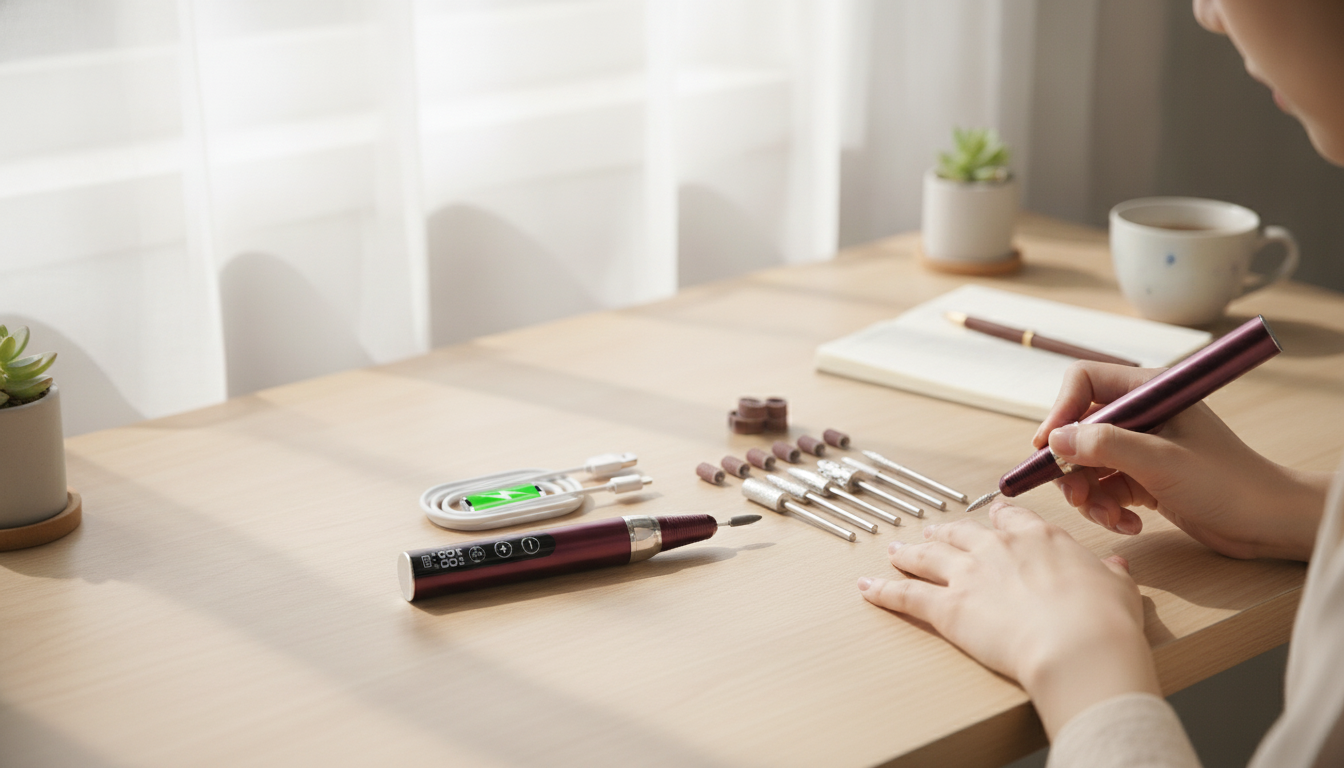
35000RPM Cordless Nail Drill Machine: Fast, Portable Filing for Manicures and Pedicures
A cordless nail drill can speed up prep, shaping, and product removal—if it has stable speed control, comfortable handling, and the right bits. A 35,000 RPM cordless model is designed to handle everything from careful surface refining to quicker bulk reduction (with proper bits and a light touch), while keeping your workstation simpler and more mobile.
What a cordless nail drill does (and what it shouldn’t do)
Cordless nail drills are built for precision filing tasks that would be slow with a hand file. Typical uses include shaping enhancements, refining gel/acrylic structure, removing product bulk, and cleaning sidewalls and the cuticle area with the correct bit.
They are not meant for aggressive removal on natural nails, grinding calluses without appropriate attachments, or working on broken, inflamed, or irritated skin. If anything feels painful or looks compromised, stop and reassess.
Going cordless also changes how the tool feels in hand: there’s less cord drag, easier angle control, and better mobility for pedicures, travel setups, or moving between hands and feet without resetting your station.
Key features that matter in a 35,000 RPM drill
Maximum RPM is only useful when the drill is easy to control. Look for features that support smooth, predictable filing:
- Speed range and control: Smooth adjustments help prevent skipping, heat spikes, and accidental over-filing.
- Torque and stability: Consistent rotation under light pressure improves precision and reduces chatter.
- Ergonomics: Handpiece diameter, balance, and grip texture influence fatigue during longer sets.
- Noise and vibration: Lower vibration improves control, especially near sidewalls and cuticles.
- Forward/reverse: Helpful for left- or right-handed use and for switching filing angles cleanly.
- Charging and battery output: Better drills maintain steady RPM as the battery drains, which matters during removal.
Speed guidance: choosing the right RPM for each task
Higher speed doesn’t automatically mean better results. RPM should match the service step, bit type, and comfort level. Natural nail work is typically done at lower speeds for control and minimal heat. Moderate speeds are common for refining gel/acrylic surfaces and shaping structure, while higher speeds are reserved for bulk reduction with the right carbide or ceramic bit.
Heat management matters at every speed: avoid staying in one spot, use sweeping passes, and reduce pressure immediately if warmth is felt. When in doubt, slow down and focus on consistent, overlapping strokes.
| Service step | Typical RPM range | Notes for safer results |
|---|---|---|
| Natural nail prep (gentle) | 3,000–8,000 | Use light pressure; prioritize control over speed |
| Cuticle/sidewall detail (with appropriate bit) | 5,000–12,000 | Keep the bit moving; avoid touching skin |
| Shaping enhancements | 10,000–18,000 | Short passes; check symmetry often |
| Refining gel/acrylic surface | 12,000–20,000 | Use a smoothing bit; don’t linger in one area |
| Bulk removal (gel/acrylic) | 18,000–30,000+ | Only with proper removal bit; minimal pressure; manage heat |
Bit compatibility and what to keep in a starter kit
Most widely used nail drill bits share a 3/32″ shank size, and confirming that compatibility makes shopping for replacements much easier. A simple starter kit can cover most at-home gel/acrylic maintenance:
- Sanding bands: Useful for surface work and gentle refinement when used carefully (avoid overworking natural nails).
- Carbide or ceramic bits: Designed for controlled removal of gel or acrylic bulk; choose the shape and grit that matches your technique.
- Diamond bits: Common for detailing and cuticle-area work, used with a light hand and careful positioning.
- Grit selection: Coarse for reduction, medium for shaping, fine for finishing—match grit to the step, not to your patience level.
For hygiene, dedicate bits per person when possible, and always clean and disinfect following the bit and disinfectant manufacturer guidance.
Using a high-speed cordless drill safely
High RPM should still feel controlled. A safe setup includes stable lighting, a firm hand rest, and dust control (a well-fitting mask and ventilation help reduce inhalation of fine particles). For additional guidance on salon air and safety practices, see the CDC’s nail salon worker health and safety resources and OSHA’s overview on ventilation and indoor air quality.
Cordless benefits: battery, portability, and workstation flow
Cleaning, maintenance, and dust control
Common issues and quick fixes
When a 35,000 RPM cordless drill is a good fit
Product spotlight: 35000RPM Cordless Nail Drill Machine
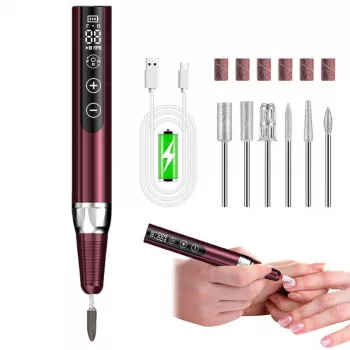
If you want a portable drill that supports faster removal and flexible positioning, the 35000RPM Cordless Nail Drill Machine is built around a high maximum speed for efficient bulk reduction when paired with a proper removal bit and light pressure.
To round out a personal-care setup beyond nails, consider tools that streamline getting ready, like the 6-in-1 Hair Dryer Brush & Curling Iron Set for fast styling with fewer separate devices.
FAQ
Is 35,000 RPM too fast for natural nails?
For natural nails, most work is typically done at much lower RPM for control and minimal heat. Higher RPM is mainly useful for refining or removing gel/acrylic with the right bit, light pressure, and constant movement.
Which nail drill bits are best for removing gel or acrylic?
Carbide or ceramic removal bits are commonly used for bulk reduction, followed by a finer bit for refining. Choose grit based on the step and avoid aggressive use on the natural nail plate.
How can dust be reduced when using a nail drill at home?
Use ventilation and a well-fitting mask, wipe surfaces after filing, and use a dust collector if possible. Clean and disinfect bits as directed and keep the work area tidy to minimize airborne particles.
Recommended for you

Hormone Harmony: Energy, Mood & Cycle Balance Guide
Jun 11, 2026













Leave a comment