-
Shop
- Adidas
- Advanced Technologies
- AI Skills Mastery 2026 Collection
- Apple Accessories
- Best-Sellers
- Car Accessories
- Dating & Social Confidence
- Dating & Social Skills
- Digital Resources
- Education & Learning
- Family & Parenting
- Fashion
- Fashion Accessories
- Furniture
- Gadgets
- Health & Beauty
- Health & Wellness
- Home & Garden
- Home Supplies
- Kids & Babies
- Kitchen Best-Sellers
- Lighting
- Nike
- Patio, Lawn & Garden
- Personal Growth
- Pet Care
- Pet Supplies
- Pets
- Shoes
- Sport & Outdoors
- Stress Relief & Relaxation
- Summer 2025 Fashion Collection
- Sunglasses
- Super Deals
- Travel
- Travel & Outdoors
- Wealth
- Wealth Building
- Women’s Wellness & Lifestyle
- Popular
- Best deals
1500 Lumen Smart Bike Headlight: IP66, Alloy Body
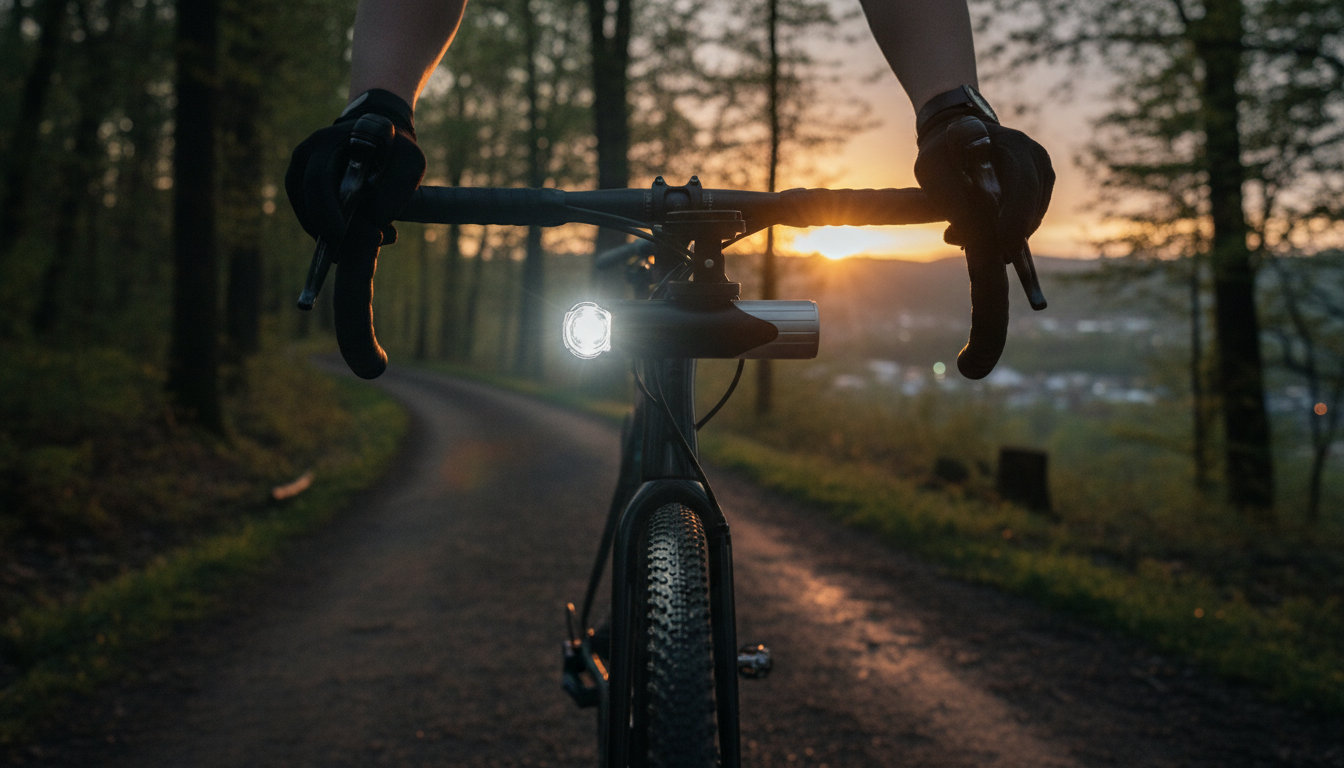
A bright, intelligent headlight can make night rides calmer and daytime visibility stronger—especially when weather turns or roads get messy. This 1500 lumen bicycle headlight pairs an aluminum alloy housing with IP66-rated water protection and smart lighting behavior designed for real commuting and weekend rides.
What Makes This Headlight “Intelligent”
“Intelligent” lighting is most valuable when a route isn’t consistent—think streetlights that come and go, quick underpasses, tree-lined paths, or a tunnel that suddenly drops visibility. Instead of constantly toggling modes, an intelligent headlight is built to behave more naturally across mixed conditions so the ride stays focused on the road, not the button.
- Adaptive behavior aimed at reducing manual mode switching during mixed lighting conditions (streetlights, tunnels, shaded paths).
- Consistent illumination for rider visibility and for being seen by drivers, pedestrians, and other cyclists.
- Designed for quick, practical use—turn on, mount securely, and ride without fussing with settings mid-ride.
- Helpful for commuters who transition between lit city streets and darker segments on the same route.
For daily riders, that “set it and forget it” feeling matters: fewer distractions, fewer stops, and a steadier beam when traffic and intersections demand attention.
Brightness and Beam Use: 1500 Lumens in Real Riding
At 1500 lumens, this headlight sits in a sweet spot for riders who want a confident view of the road surface—without reserving bright output only for occasional use. It’s especially helpful on darker streets, unlit paths, and trail connectors where pavement quality changes fast.
- 1500 lumens is suited for darker streets, trails, and unlit bike paths where a wider, more confident view of the road surface is needed.
- A bright headlight is not only about seeing farther; it also helps detect potholes, debris, and uneven pavement earlier.
- Correct aiming matters: angle the beam to light the road ahead without dazzling oncoming traffic or riders.
- Use higher output for faster riding or unlit areas, and lower/steady modes where ambient lighting is strong.
Raw lumens don’t tell the whole story—beam pattern and aiming do a lot of the work. A practical rule: aim the beam so the brightest hotspot lands on the road ahead (not straight into eye level). If you ride in areas with pedestrians or bike paths, a slightly lower aim is more courteous and can improve your own contrast on the pavement.
Quick guide: matching light output to common conditions
| Riding condition | Suggested approach | Why it helps |
|---|---|---|
| Daytime urban riding | Use a visible mode and stable mount | Improves conspicuity in traffic |
| Well-lit streets at night | Aim low and use moderate output | Reduces glare while keeping the lane visible |
| Unlit paths or trails | Use higher output and check beam aim | Improves hazard detection and reaction time |
| Rain or fog | Avoid overly high glare; aim carefully | Helps prevent reflected light from washing out vision |
For riders who like measurable standards, the ANSI/PLATO FL 1 framework is commonly referenced for flashlight performance definitions such as output and runtime (even though bike lights may present specs differently). See: ANSI/PLATO FL 1 Standard for Flashlight Basic Performance.
IP66 Waterproof Rating: What It Covers on the Road
Weather resistance isn’t just about rain from above—it’s also road spray, puddle splash, and the fine grit that gets thrown up by tires. An IP rating is a standardized way to describe enclosure protection, including both dust and water exposure.
- IP66 indicates strong protection against dust ingress and powerful water jets from multiple directions.
- Suitable for heavy rain, wet commutes, and splash from passing cars—without needing to baby the light.
- Not the same as submersion protection; avoid leaving the light underwater or pressure-washing it at close range.
- After wet rides, wipe down the housing and charging area (if applicable) to keep seals and ports cleaner over time.
For more context on IP ratings, the IEC 60529 “IP Code” system is widely cited; a readable overview is here: IEC 60529: Degrees of protection provided by enclosures (IP Code).
Aluminum Alloy Housing: Durability and Heat Management
The body material matters more than it seems, especially at higher brightness levels and on rougher routes. Aluminum alloy housings are commonly chosen for bike lights because they feel rigid in the hand, tolerate bumps better, and can help manage heat from powerful LEDs.
Mounting, Fit, and Everyday Use
For broader riding-safety guidance (including being visible and using equipment appropriately), see: CPSC Bicycle Safety.
Care Tips for Reliable Performance
Product Snapshot and Where It Fits Best
Key product details
| Item | Detail |
|---|---|
| Product | 1500 Lumen Intelligent Bicycle Headlight IP66 Waterproof Aluminum Alloy |
| Water resistance | IP66 |
| Body material | Aluminum alloy |
| Availability | In stock |
| Price | $32.67 USD |
More in-stock picks
- Cloud Modular Sectional Sofa with Deep Seats and Storage Ottomans
- 6-in-1 Hair Dryer Brush & Curling Iron Set – Ionic Hot Air Styler for All Hair Types
FAQ
Is IP66 waterproof enough for heavy rain while cycling?
Yes—IP66 is designed to resist heavy rain and strong water exposure like splash and spray from the road. It isn’t meant for submersion, so avoid leaving it underwater, and make sure any charging port cover is fully sealed and dry before charging.
How bright is 1500 lumens for a bicycle headlight?
1500 lumens is bright enough for unlit streets, paths, and faster riding where you need earlier hazard detection. Beam pattern and aim matter as much as output—angle it down toward the road to avoid blinding oncoming traffic.
Why choose an aluminum alloy bicycle headlight body?
Aluminum alloy tends to be more impact-resistant than many plastic housings and can feel steadier on rough pavement. It also helps dissipate heat from high-output LEDs, supporting more consistent performance during longer rides.
Recommended for you



Silicone Baby Feeding Set: 3 Suction Dishes + Sippy
Jun 14, 2026
Dolce & Gabbana Women’s Bracelet: Fit, Style, Care
Jun 15, 2026













Leave a comment