-
Shop
- Adidas
- Advanced Technologies
- AI Skills Mastery 2026 Collection
- Apple Accessories
- Best-Sellers
- Car Accessories
- Dating & Social Confidence
- Dating & Social Skills
- Digital Resources
- Education & Learning
- Family & Parenting
- Fashion
- Fashion Accessories
- Furniture
- Gadgets
- Health & Beauty
- Health & Wellness
- Home & Garden
- Home Supplies
- Kids & Babies
- Kitchen Best-Sellers
- Lighting
- Nike
- Patio, Lawn & Garden
- Personal Growth
- Pet Care
- Pet Supplies
- Pets
- Shoes
- Sport & Outdoors
- Stress Relief & Relaxation
- Summer 2025 Fashion Collection
- Sunglasses
- Super Deals
- Travel
- Travel & Outdoors
- Wealth
- Wealth Building
- Women’s Wellness & Lifestyle
- Popular
- Best deals
Dolce & Gabbana Women’s Bracelet: Fit, Style, Care
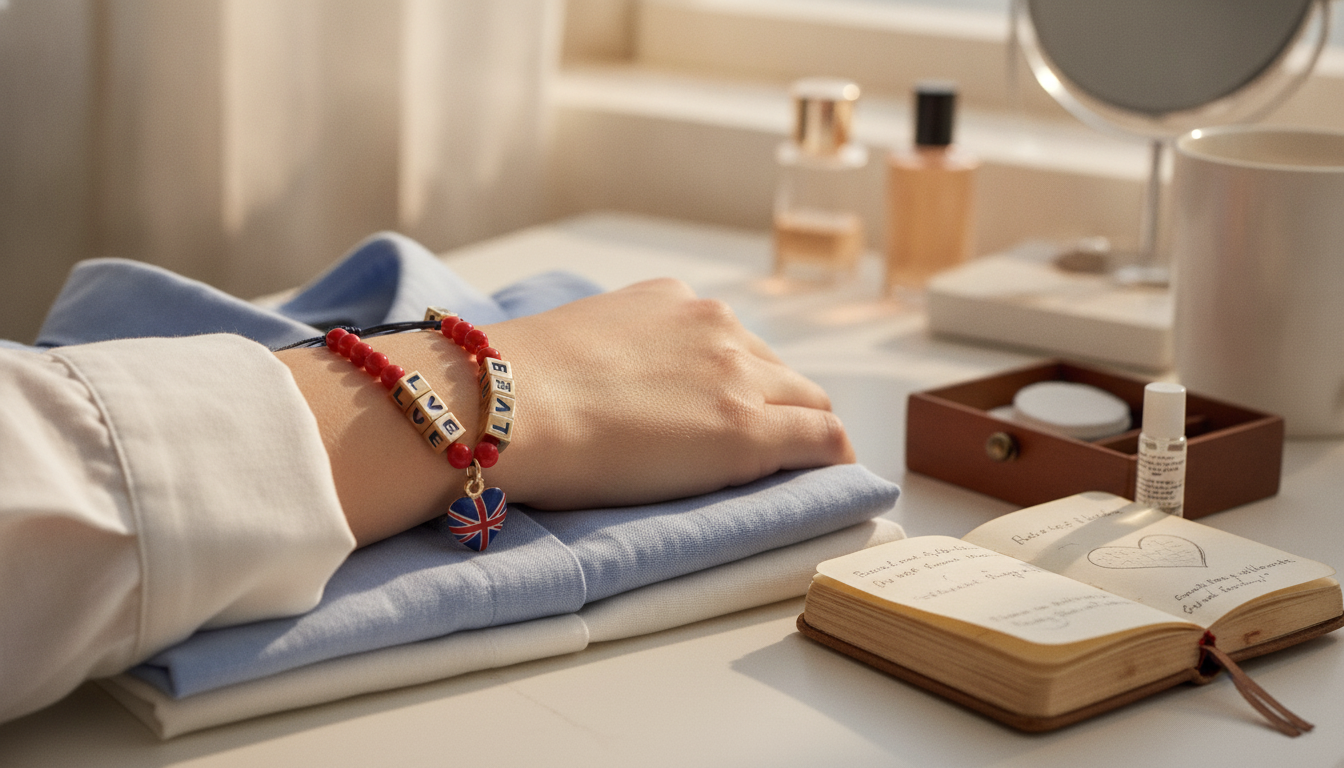
A Dolce & Gabbana women’s bracelet adds a polished, signature accent to everyday looks and special occasions alike. From choosing the right size to pairing metals and charms with other jewelry, the details matter—especially when shopping a designer piece intended to last.
At a Glance
- Designed as a statement accessory that can be worn solo or stacked
- Best results come from matching the bracelet’s tone (warm vs. cool metal) to rings, earrings, and watch hardware
- Confirm fit, closure type, and finish before ordering to avoid returns
Quick details
| Item | Details |
|---|---|
| Product | Dolce & Gabbana Women’s Bracelet |
| Price | $560.00 USD |
| Availability | In stock |
| Product page | majorille.com/dolce-gabbana-womens-bracelet/ |
| What to verify before purchase | Wrist size range, closure type, metal finish, included packaging, return window |
Design Notes That Change the Look
- Chain vs. bangle: Chains read softer and layer easily; bangles feel structured and stand out with minimal styling.
- Polished vs. brushed finish: Polished looks dressier under evening light; brushed can feel more modern and disguises micro-scratches better.
- Charm and logo elements: When the bracelet has prominent branding or ornamental details, simplify the rest—think a single ring or small earrings instead of multiple statement pieces.
- Color accents (enamel, stones, crystals): Coordinate accents with outfit hardware (buckles, bag clasps, sunglasses details) so the look feels intentional rather than busy.
For a designer bracelet, the finish is more than aesthetics—it affects how the piece photographs, how it reads from a distance, and how much visual weight it carries next to a watch or stack. If the bracelet is meant to be the focal point, let it stay there by keeping nearby accessories quiet and consistent.
Getting the Right Fit
- Measure wrist circumference with a flexible tape; if using a string, mark it and measure against a ruler.
- For most chain styles, adding 0.5–1 inch (1–2.5 cm) to wrist circumference creates a comfortable drape.
- For bangles, confirm inner diameter and hand clearance—especially if knuckles are wider than the wrist.
- If the bracelet includes extender links, use them to keep the bracelet from rotating excessively during wear.
Fit is where returns tend to happen. A bracelet that’s too snug can pinch at the clasp and feel restrictive, while an oversized bracelet can spin constantly and knock against desks or screens. If you’re between sizes, choose the option that allows a touch of movement without sliding over the wrist bone.
How to Style It
Everyday
- Pair with a watch on the opposite wrist for balance; keep ring count minimal to avoid visual clutter.
- If the bracelet has a logo or charm, let it be the single “headline” accessory and keep earrings understated.
Workwear
- Match metal tone to belt buckle and handbag hardware for a clean, pulled-together finish.
- Avoid noisy stacks if typing often; choose one bracelet or a tight two-piece combination that won’t slide.
Evening
- Let the bracelet lead—choose small studs or a thin necklace when the wrist piece is the focus.
- Polished finishes and crystal accents tend to pop best under low, warm lighting.
Stacking, without the chaos
- Keep stack pieces within the same color family (all warm metals, all cool metals, or intentionally mixed with a repeating pattern).
- Mix textures (smooth + beaded + chain) rather than mixing many motifs at once.
A helpful rule: if the bracelet already has dimension—chunky links, an ornate charm, or a bold logo—use negative space elsewhere. A clean sleeve cuff, a simple manicure, and one complementary ring often look more elevated than adding extra pieces.
Care, Storage, and Longevity
- Put jewelry on last: Apply fragrance, lotion, and hairspray first to reduce residue and dulling.
- Avoid water exposure when possible, especially for plated finishes and pieces with stones or enamel.
- Wipe after wear with a soft, dry cloth; store separately to reduce scratching and tangling.
- Travel tip: Use a soft pouch or a dedicated jewelry roll; clasp chain bracelets closed to prevent knots.
For deeper care guidance, the Gemological Institute of America (GIA) jewelry care recommendations are a solid reference for everyday maintenance habits. For labeling and precious-metal representations, the Federal Trade Commission’s jewelry guides offer useful context when comparing materials and finishes across brands and retailers.
Authenticity and Buying Confidence
- Confirm clear product photos, a complete item description, and a documented return policy.
- Look for consistent branding details and clean finishing: secure clasps, even plating, and smooth edges.
- Keep order confirmation, packaging, and any included documentation for gifting and future resale.
- If gifting, consider a size-flexible style (adjustable chain or extender) to reduce fit risk.
When It Makes the Best Gift
More In-Stock Picks
- Dolce & Gabbana Women’s Bracelet
- 6-in-1 Hair Dryer Brush & Curling Iron Set – Ionic Hot Air Styler for All Hair Types
- Cloud Modular Sectional Sofa with Deep Seats and Storage Ottomans
FAQ
How do you measure bracelet size for a comfortable fit?
Measure your wrist circumference with a flexible tape (or string and ruler), then add about 0.5–1 inch for a chain bracelet’s comfortable drape. For bangles, check the inner diameter and make sure your hand can pass through easily. Always compare your measurement to the listing’s size range and any extender length.
Can a designer bracelet be worn every day?
Yes—daily wear is realistic with good habits: avoid water and chemicals, wipe it after wearing, and store it separately. Expect faster micro-scratches if it’s worn during high-contact activities like workouts or heavy commuting.
How should a bracelet be stored to prevent damage?
Store it in an individual pouch or compartment so it doesn’t rub against other pieces. For chains, clasp the bracelet closed to prevent tangling, and keep it away from humidity and direct sunlight to help maintain its finish.
Recommended for you
1500 Lumen Smart Bike Headlight: IP66, Alloy Body
Jun 14, 2026










Leave a comment