-
Shop
- Adidas
- Advanced Technologies
- AI Skills Mastery 2026 Collection
- Apple Accessories
- Best-Sellers
- Car Accessories
- Dating & Social Confidence
- Dating & Social Skills
- Digital Resources
- Education & Learning
- Family & Parenting
- Fashion
- Fashion Accessories
- Furniture
- Gadgets
- Health & Beauty
- Health & Wellness
- Home & Garden
- Home Supplies
- Kids & Babies
- Kitchen Best-Sellers
- Lighting
- Nike
- Patio, Lawn & Garden
- Personal Growth
- Pet Care
- Pet Supplies
- Pets
- Shoes
- Sport & Outdoors
- Stress Relief & Relaxation
- Summer 2025 Fashion Collection
- Sunglasses
- Super Deals
- Travel
- Travel & Outdoors
- Wealth
- Wealth Building
- Women’s Wellness & Lifestyle
- Popular
- Best deals
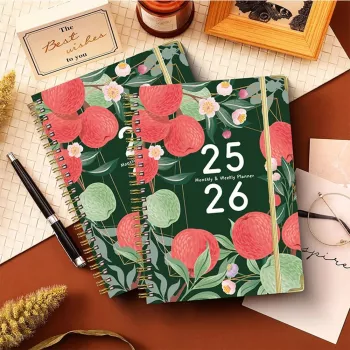
Floral A5 Monthly Planner 2025–2026 (To-Dos + Notes)
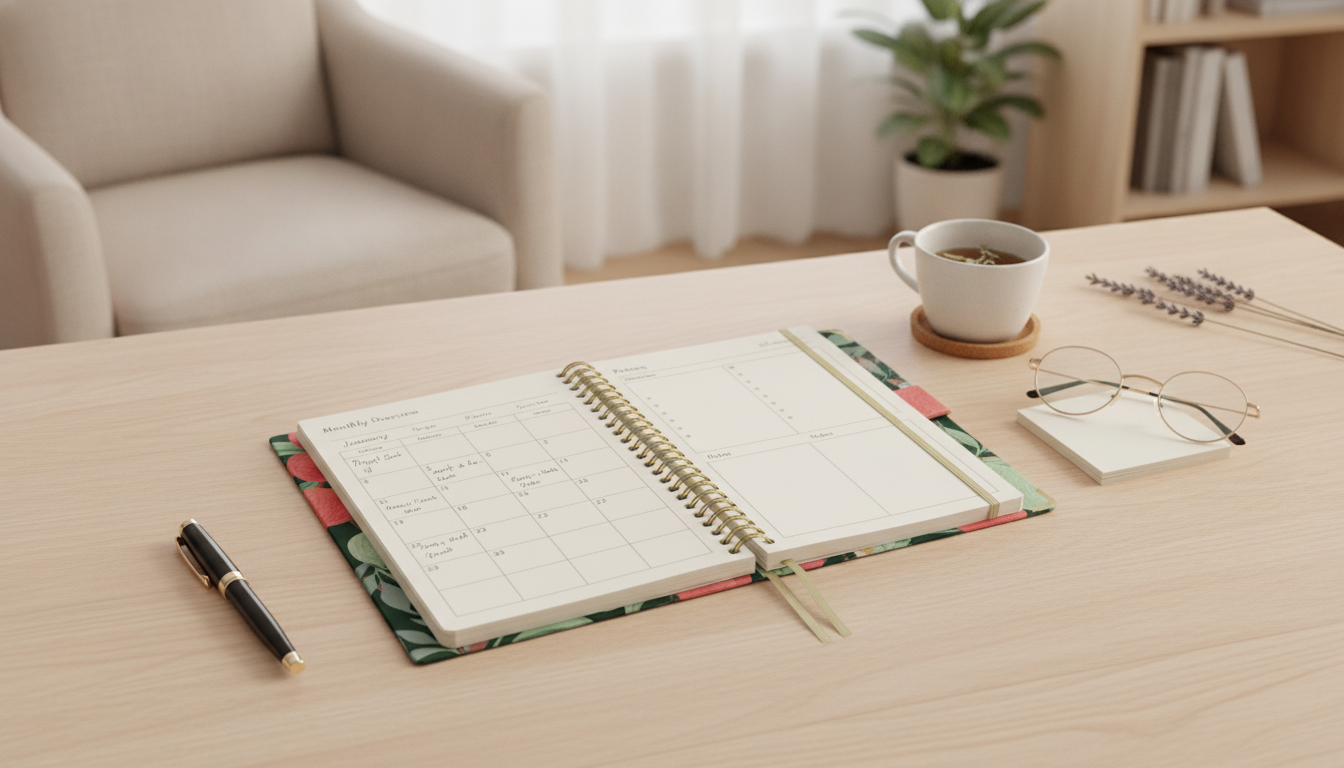
Floral A5 Planner 2025–2026: 12 Months of Monthly Planning, To-Do Lists, and Notes
A monthly planner works best when it balances big-picture visibility with space to capture everyday actions. This floral A5 planner for 2025–2026 is designed around month views, built-in to-do lists, and note pages—helping track deadlines, appointments, projects, and personal goals without overcomplicating the system. If you like seeing the whole month at once (without giving up room for lists and quick notes), this format keeps planning simple, portable, and consistent.
What This Planner Helps Organize
- Monthly overviews for seeing appointments, due dates, trips, and milestones at a glance
- To-do lists for turning monthly goals into concrete actions
- Note pages for meeting notes, ideas, shopping lists, habit tracking, or planning layouts
- A5 size for portability—easy to carry while still offering usable writing space
- A floral cover style that suits desk use, school, or work bags
Monthly planning is especially effective for managing commitments that live on a calendar (appointments, travel days, school events) and for keeping recurring responsibilities visible. For guidance on why small delays can snowball into missed deadlines, the American Psychological Association’s overview of procrastination is a useful reference point when designing a planning routine that’s realistic—focused on the next action, not just the intention.
Quick Details at a Glance
- 12-month format for structured planning across one year
- Monthly agenda layout supported by to-do lists and notes
- A5 format for everyday carry and compact desk storage
- In stock and ready to ship
Planner Snapshot
| Detail | What it means for planning |
|---|---|
| Format | 12-month monthly agenda |
| Pages included | Monthly views + to-do lists + note pages |
| Size | A5 (portable, fits most bags) |
| Theme | Floral cover design |
| Availability | In stock |
How to Use a Monthly Agenda Without Falling Behind
- Start each month with fixed commitments. Add work shifts, appointments, travel days, bill due dates, school dates, and time-sensitive reminders first. This creates the “non-negotiable” framework the rest of your month must fit around.
- Pick 5–10 outcomes for the month. Think in results (finish a project draft, schedule checkups, build a workout rhythm). Then translate each outcome into 1–3 next actions on the to-do list so the month doesn’t stay abstract.
- Use note pages as “parking lots.” Keep ideas to revisit later, reference info, and running lists that don’t belong to a specific date. This prevents cluttering the calendar with items that aren’t time-bound.
- Add a 10-minute weekly reset. Review the month view, update to-dos, and rewrite anything that remains important. A quick reset often matters more than a perfect setup.
- Keep daily details minimal. Use the planner to anchor time and priorities, not to store every message or task. If something doesn’t impact when you’ll do it, it may belong in notes instead of the calendar.
For practical approaches to prioritization and planning routines, Harvard Business Review’s time management topic hub offers frameworks that pair well with a monthly-view planner—especially when you’re balancing competing deadlines.
Best Fits: Who This Planner Is For
- Students tracking exam dates, assignment deadlines, and semester milestones
- Busy households coordinating school events, activities, and appointments on a single monthly view
- Professionals managing recurring deadlines, travel, and project checkpoints
- Creators and freelancers who prefer monthly pacing with flexible note pages for brainstorming
- Routine-builders who want a place to track habits and reminders alongside a monthly calendar
The A5 format tends to work well for people who plan on the go: small enough to bring along, but not so small that the calendar becomes cramped. When you need more room, the note pages absorb overflow without forcing you to switch tools.
Practical Setups Using To-Do Lists and Note Pages
If you’re using the planner to support better rest, the CDC’s sleep resources can help you choose realistic sleep-related habits to track (like consistent bed and wake times) rather than vague goals.
Care, Carry, and Everyday Use Tips
Product Options (In Stock)
- Floral A5 Planner 2025-2026 – 12-Month Agenda with To-Do Lists & Note Pages ($14.51): a compact monthly planner built for clear scheduling plus flexible list and note space.
- 6-in-1 Hair Dryer Brush & Curling Iron Set – Ionic Hot Air Styler for All Hair Types ($123.49): a convenient multi-styler that can streamline morning routines when your calendar is packed.
- Waterproof Dog Coat for Small and Medium Dogs – Lightweight and Warm ($38.49): a practical option for keeping walks comfortable during rainy or cold months you’ve already mapped out on the calendar.
FAQ
Is an A5 planner big enough for monthly planning?
Yes—monthly views prioritize clarity over tiny details, and A5 usually provides a comfortable balance of portability and writing space. Keep key commitments on the month view and use note pages for overflow so the calendar stays readable.
How can to-do lists and note pages work together in a monthly planner?
Use the month view for date-based commitments, the to-do list for next actions, and note pages for project breakdowns and reference lists. A brief weekly reset helps you move priorities from notes onto the to-do list and calendar as plans change.
What’s the easiest way to set up a new monthly planner mid-year?
Start with the current month, add fixed dates first, then capture ongoing tasks in the notes so nothing gets lost. Migrate only active projects (not old details) and keep an archive page for anything you may need to reference later.















Leave a comment