-
Shop
- Adidas
- Advanced Technologies
- AI Skills Mastery 2026 Collection
- Apple Accessories
- Best-Sellers
- Car Accessories
- Dating & Social Confidence
- Dating & Social Skills
- Digital Resources
- Education & Learning
- Family & Parenting
- Fashion
- Fashion Accessories
- Furniture
- Gadgets
- Health & Beauty
- Health & Wellness
- Home & Garden
- Home Supplies
- Kids & Babies
- Kitchen Best-Sellers
- Lighting
- Nike
- Patio, Lawn & Garden
- Personal Growth
- Pet Care
- Pet Supplies
- Pets
- Shoes
- Sport & Outdoors
- Stress Relief & Relaxation
- Summer 2025 Fashion Collection
- Sunglasses
- Super Deals
- Travel
- Travel & Outdoors
- Wealth
- Wealth Building
- Women’s Wellness & Lifestyle
- Popular
- Best deals
Reflective Dog Harness & Leash Set: Safer Low-Light Walks
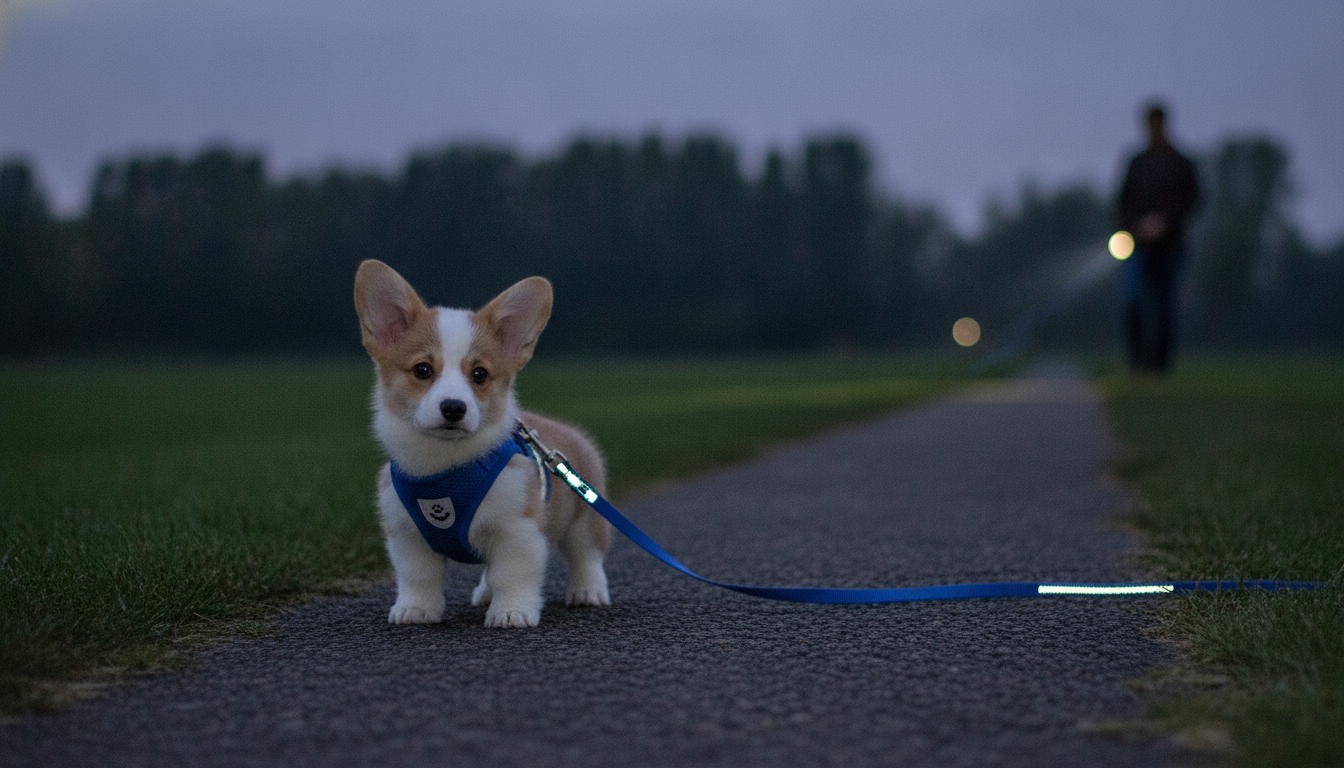
Reflective Dog Harness with Leash for Safer, More Comfortable Walks
A reflective harness with a matching leash can make daily walks calmer and safer—especially at dawn, dusk, or in busy neighborhoods. The right setup helps reduce pulling pressure on the neck, improves handling, and adds visibility when headlights or streetlights hit reflective trim. For many dogs, that combination means fewer startle moments, smoother corner turns, and more confidence on every outing.
Why a Reflective Harness-and-Leash Set Makes Walks Easier
Walks can change quickly: a cyclist approaches, a car turns into the crosswalk, or your dog decides a scent trail is suddenly urgent. A harness-and-leash set helps you stay consistent and ready without overcomplicating your routine.
- Improves visibility in low light when reflective accents catch light from cars, bikes, and street lamps.
- Spreads pressure across the chest and shoulders instead of concentrating it on the throat, which can be more comfortable for many pullers.
- Creates a consistent routine: the same leash length and clip point every time can reduce door excitement and fidgeting.
- Supports quick control on mixed surfaces (sidewalks, parks, short potty breaks) where you may need to shorten up briefly.
Key Features to Look For
Not all reflective gear is equally helpful. Small details—where the reflective trim sits, how the straps adjust, and how smoothly the clip moves—often determine whether the set feels effortless or frustrating.
- Reflective placement: trim should be visible from the side and front, not only on the back, so approaching traffic and cyclists can spot movement earlier.
- Adjustability: multiple adjustment points help avoid rubbing behind the elbows and around the neck while keeping the harness stable.
- Secure hardware: sturdy D-ring(s) and a reliable buckle system reduce the risk of accidental escapes during a sudden backward hop.
- Breathable materials: lightweight mesh or padded panels can help prevent overheating on longer walks or warm evenings.
- Leash compatibility: a leash that clips smoothly and doesn’t twist easily helps maintain steady handling when your dog changes sides.
Sizing and Fit Checklist (Comfort + Escape Prevention)
A reflective harness only helps if it fits correctly. Too tight can cause chafing; too loose can shift, twist, or allow a dog to back out—especially when startled.
- Neck opening: allow two fingers of space; too tight can rub, too loose can slip.
- Chest/girth strap placement: it should sit behind the front legs; straps rubbing the armpits often cause irritation.
- Stability check: the harness should stay stable when the dog turns or backs up; excessive shifting is a sign of poor fit.
- “Back-out test”: after clipping the leash, do a gentle test in a safe area to confirm the harness doesn’t slide off.
- Re-check after the first few walks: straps can settle and may need a minor adjustment.
For additional guidance on harness use and general fit considerations, the American Kennel Club (AKC) is a helpful starting point.
Reflective vs. Light-Up Gear: What Each Does Best
Reflective trim and light-up accessories solve different visibility problems. Many dog owners use reflective gear as the foundation and add a light only when conditions call for it.
- Reflective elements work when a light source hits them (car headlights, flashlights). They’re passive and battery-free.
- Light-up accessories add their own illumination. They can be easier to spot from multiple angles but require charging or batteries.
- Practical approach: in many neighborhoods, reflective trim paired with a porch light or handheld flashlight is enough; in very dark areas, add a clip-on light to the leash or collar.
| Feature | Reflective trim | Light-up accessory |
|---|---|---|
| Visibility source | Needs external light (headlights, flashlight) | Self-illuminated |
| Maintenance | No batteries; occasional cleaning | Charging/battery replacement |
| Durability concerns | Wear of reflective coating over time | Electronics exposure to water/impact |
| Best for | City/suburban walks with ambient light | Very dark routes, trails, early-morning runs |
Training and Handling Tips for a Harness-and-Leash Combo
The most comfortable harness still benefits from calm, consistent handling. Small technique changes often reduce pulling more effectively than switching gear repeatedly.
For general safety reminders—like choosing well-lit routes and staying alert near traffic—the ASPCA’s dog care resources are a useful reference.
Care and Longevity
A Practical Option: Reflective Dog Harness with Leash
If the goal is everyday visibility and comfortable handling without adding extra pieces to remember, a matched set is a straightforward solution. The Reflective Dog Harness with Leash is designed to cover daily needs—low-light visibility, a more comfortable pressure distribution than a collar for many dogs, and a leash that pairs cleanly with the harness.
More In-Stock Picks
- Retro Ice Crack Ceramic Planter
- Women’s Stylish High Heel Ankle Boots
- Furla Women’s Leather Lace-Up Boots
FAQ
How tight should a dog harness be?
Use the two-finger rule at the neck and around the girth: snug enough that the harness won’t slide or twist, but loose enough to avoid rubbing and restricted movement. After a short walk, check for redness behind the elbows and adjust if needed.
Do reflective harnesses work in complete darkness?
Reflective trim needs an external light source—like headlights, streetlights, or a flashlight—to “light up.” For unlit routes, add a clip-on light to improve visibility from all angles.
Is a harness better than a collar for dogs that pull?
Often yes for comfort because it can reduce pressure on the throat, but training still matters. A properly fitted harness helps prevent chafing and reduces the chance of escape when a dog pulls or backs up.
















Leave a comment