-
Shop
- Adidas
- Advanced Technologies
- AI Skills Mastery 2026 Collection
- Apple Accessories
- Best-Sellers
- Car Accessories
- Dating & Social Confidence
- Dating & Social Skills
- Digital Resources
- Education & Learning
- Family & Parenting
- Fashion
- Fashion Accessories
- Furniture
- Gadgets
- Health & Beauty
- Health & Wellness
- Home & Garden
- Home Supplies
- Kids & Babies
- Kitchen Best-Sellers
- Lighting
- Nike
- Patio, Lawn & Garden
- Personal Growth
- Pet Care
- Pet Supplies
- Pets
- Shoes
- Sport & Outdoors
- Stress Relief & Relaxation
- Summer 2025 Fashion Collection
- Sunglasses
- Super Deals
- Travel
- Travel & Outdoors
- Wealth
- Wealth Building
- Women’s Wellness & Lifestyle
- Popular
- Best deals
Stainless Steel Pump Soap Dispenser: No-Drip Sink Upgrade
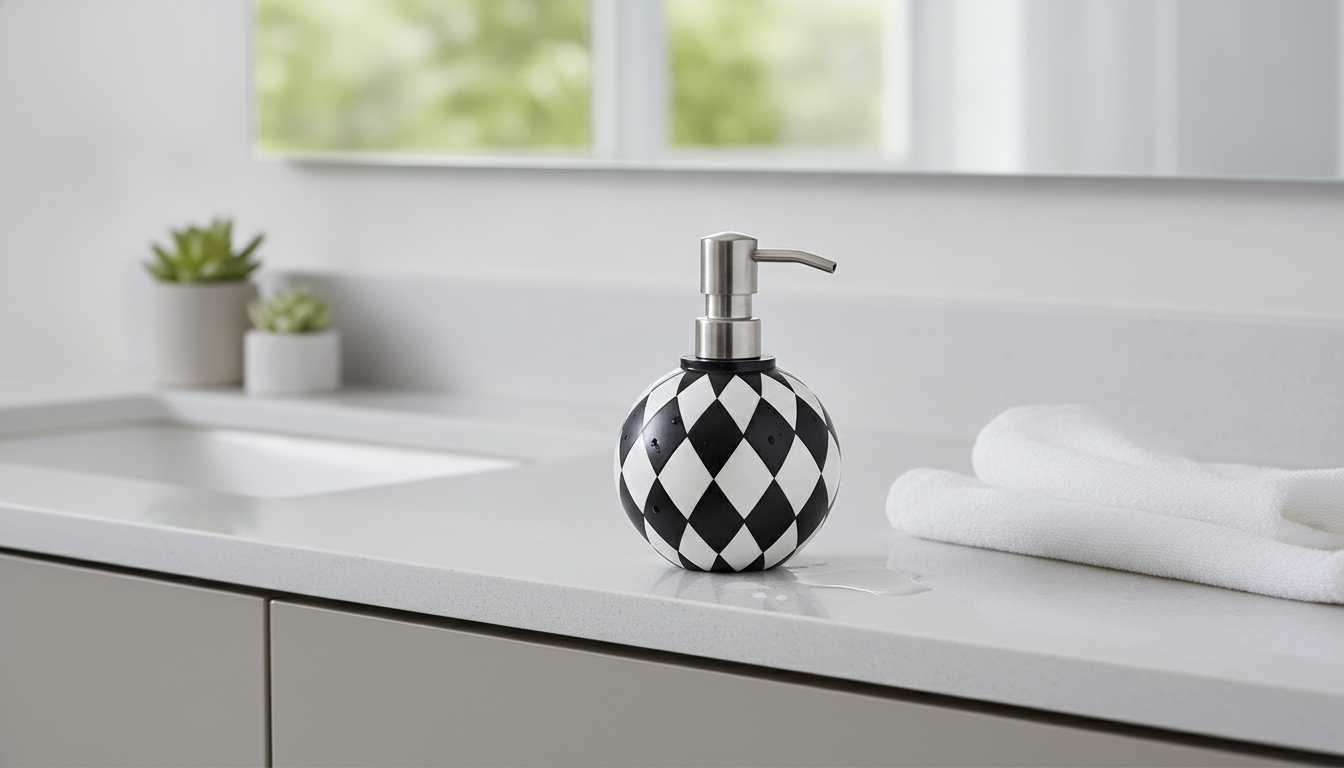
Stainless Steel Pump Soap Dispenser: Clean, Durable, and Easy to Refill
A stainless steel pump soap dispenser keeps sinks looking tidy while standing up to daily splashes, frequent use, and routine cleaning. From kitchens to bathrooms, the right pump design helps reduce drips, simplifies refills, and complements modern fixtures without feeling fussy. It’s a small countertop swap that can make handwashing and dishwashing feel more streamlined—especially in busy homes where the sink is always in use.
Good hand hygiene also depends on making soap easy to reach and pleasant to use. For practical guidance on effective handwashing, the CDC’s handwashing recommendations are a helpful reference.
Why Stainless Steel Works So Well by the Sink
- Resists everyday wear better than many painted or plastic finishes, helping the dispenser keep a polished look over time.
- Pairs easily with common faucet finishes and hardware styles, making it a low-effort upgrade for bathrooms, kitchens, and laundry rooms.
- Helps keep the countertop organized by consolidating soap into a single, refillable container instead of multiple branded bottles.
- A weighted, sturdy feel can improve usability—less tipping and sliding during one-handed pumping.
Stainless steel also tends to be forgiving in real life: a quick wipe can remove water spots and smudges without a full “reset” of the countertop. If the goal is a sink area that looks put-together even between cleanings, stainless is a strong contender.
Pump Performance: What “Good” Feels Like
- Smooth actuation: the pump should press down without sticking and return reliably after each use.
- Consistent dose: a steady soap output reduces overuse and keeps cleanups minimal around the base.
- Drip control: a well-designed nozzle and internal seal help prevent residual drips that leave rings on the counter.
- One-hand friendly: stability and pump responsiveness matter most when hands are wet or messy.
- Everyday compatibility: works well with common hand soaps and dish soaps; very thick soaps may benefit from slight dilution (if approved by the soap maker).
One of the easiest ways to tell if a dispenser will feel “premium” is to test how predictable it is: a pump that delivers the same amount each press is easier to live with and less likely to leave a soap halo on the counter.
Placement Ideas for Kitchens, Bathrooms, and Utility Spaces
- Kitchen sink: place near the faucet handle for quick access; keep enough clearance to avoid bumping the spout while washing dishes.
- Bathroom vanity: align with toothbrush holders or trays to create a clean visual line and reduce clutter.
- Shower or tub ledge: only if the dispenser is intended for wet-zone placement; otherwise consider keeping it just outside splash-heavy areas.
- Laundry room: useful for stain-fighting soap or hand cleaner; pair with a small tray to catch occasional drips.
- Guest areas: refillable dispensers look intentional and make it easy to keep presentation consistent.
A simple placement tweak can also protect the finish: keeping the dispenser a few inches away from constant spray reduces mineral spotting and the need for frequent polishing.
Care and Cleaning Without Dulling the Finish
- Daily wipe-down: use a soft, damp cloth to remove water spots and soap residue; dry to reduce spotting.
- Skip harsh abrasives: avoid steel wool or gritty cleaners that can scratch and make fingerprints more noticeable.
- Gentle deep clean: mild dish soap and warm water typically handle buildup; rinse and dry thoroughly.
- Stainless care basics: follow the grain when wiping (if a brushed finish is present) to maintain an even look.
- Pump maintenance: if output slows, remove and rinse the pump head (if removable) to clear residue; allow it to dry before reassembly.
For broader guidance on routine cleaning and disinfecting habits around the home, the American Cleaning Institute’s cleaning basics offer clear, practical reminders.
Quick Comparison: Stainless Steel vs. Common Alternatives
| Material | Best for | Watch-outs |
|---|---|---|
| Stainless steel | High-traffic sinks, modern fixtures, easy wipe-down | May show fingerprints; avoid abrasive cleaners |
| Plastic | Budget setups, kids’ bathrooms, lightweight handling | Can stain or dull; may tip more easily |
| Glass | Minimalist or spa-like countertops, visible fill level | Breakable; needs careful placement |
| Ceramic | Decor-forward bathrooms, softer aesthetic | Can chip; heavier to handle when refilling |
Product Spotlight: Stainless Steel Pump Soap Dispenser
If the sink area is ready for a simple upgrade, the Stainless Steel Pump Soap Dispenser offers a clean, coordinated look that suits both kitchens and bathrooms. The refillable format reduces the visual noise of store packaging and keeps soap right where it’s needed—without turning the counter into a collection of mismatched bottles.
For a more cohesive vanity setup, pair it with countertop pieces that feel intentional rather than crowded. For example, the 28-Piece Natural Hair Makeup Brush Set can help keep daily tools contained, while a small accent like the Retro Ice Crack Ceramic Planter adds a calm, finished touch to the counter without taking up much space.
Small Styling Upgrades That Make It Look Intentional
FAQ
Can a stainless steel pump dispenser be used for dish soap as well as hand soap?
Yes. Most countertop pump dispensers can handle either hand soap or dish soap, though very thick formulas may pump more easily if slightly diluted (only if the soap maker allows it). Rinsing the pump periodically helps prevent residue buildup.
How can soap residue and fingerprints be cleaned off stainless steel without scratching it?
Wipe with a soft cloth using warm water and mild dish soap, then rinse and dry. Avoid abrasive pads and harsh cleaners, and wipe along the grain on brushed finishes to keep the surface looking even.
Why does a pump start dispensing less soap over time?
Dried soap in the nozzle or buildup in the pump tube are common causes. If the pump comes apart, rinsing the parts and flushing with warm water typically restores smooth, consistent flow.
Recommended for you

2200W Ionic Hair Dryer: Fast Drying, Adjustable Heat
Jun 29, 2026













Leave a comment