-
Shop
- Adidas
- Advanced Technologies
- AI Skills Mastery 2026 Collection
- Apple Accessories
- Best-Sellers
- Car Accessories
- Dating & Social Confidence
- Dating & Social Skills
- Digital Resources
- Education & Learning
- Family & Parenting
- Fashion
- Fashion Accessories
- Furniture
- Gadgets
- Health & Beauty
- Health & Wellness
- Home & Garden
- Home Supplies
- Kids & Babies
- Kitchen Best-Sellers
- Lighting
- Nike
- Patio, Lawn & Garden
- Personal Growth
- Pet Care
- Pet Supplies
- Pets
- Shoes
- Sport & Outdoors
- Stress Relief & Relaxation
- Summer 2025 Fashion Collection
- Sunglasses
- Super Deals
- Travel
- Travel & Outdoors
- Wealth
- Wealth Building
- Women’s Wellness & Lifestyle
- Popular
- Best deals
2200W Ionic Hair Dryer: Fast Drying, Adjustable Heat
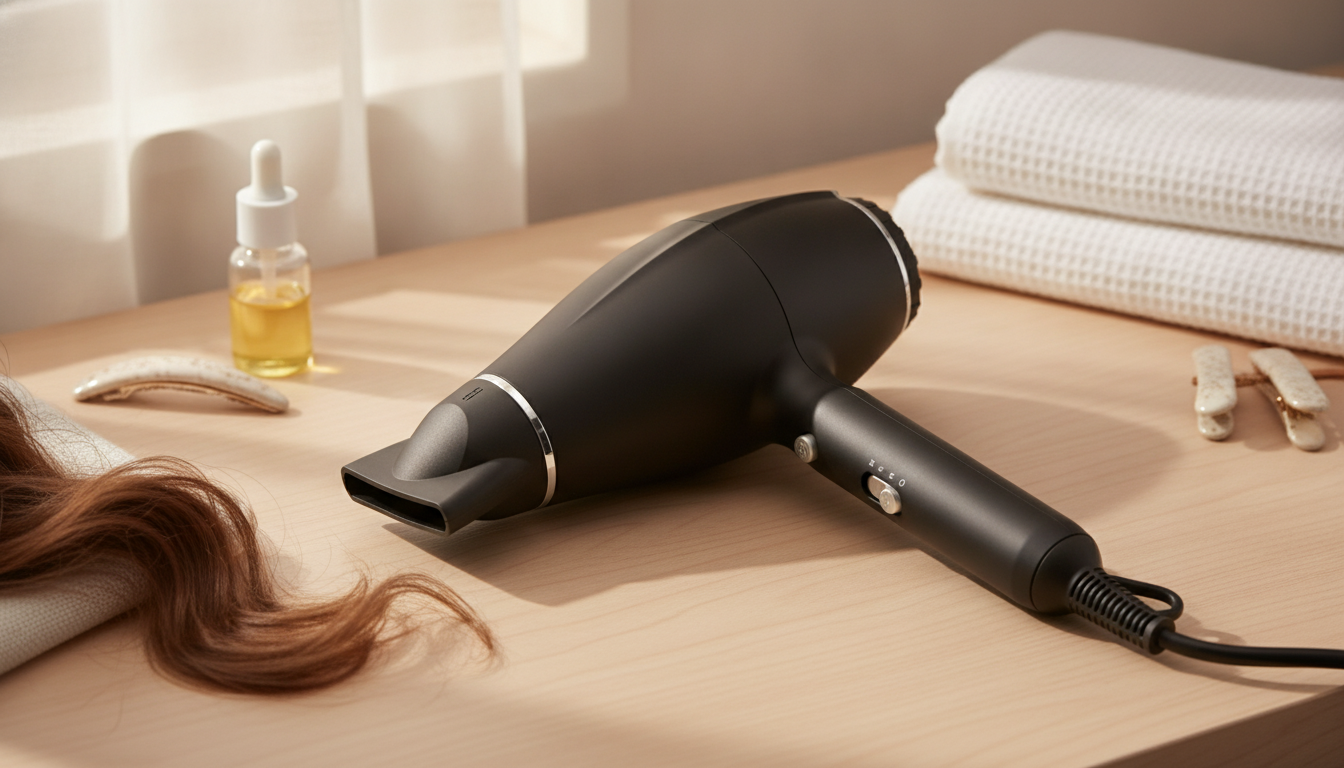
A high-wattage dryer can cut dry time while helping hair look smoother and feel less brittle—if airflow, heat control, and attachments match the hair type. This 2200W professional hair dryer pairs ionic technology with adjustable heat settings to support fast drying, flexible styling, and a more polished finish for everyday routines or at-home blowouts.
What Makes This Dryer Feel “Professional”
A “professional” feel usually comes down to consistent performance, control, and repeatable results—not just a high watt number on the box. With a 2200W class motor design, this dryer is built to move air efficiently so hair spends less time under heat overall. That matters for anyone who blow-dries often, styles multiple times per week, or dries thick hair that can otherwise take forever.
Ionic technology is another hallmark feature people associate with salon-style finishes. By helping reduce static and flyaways, ionic output can leave hair looking smoother and shinier after drying—especially when paired with the right technique (directing airflow down the hair shaft, using a concentrator, and working in sections). Add adjustable heat settings, and the dryer becomes easier to customize for fine, medium, thick, curly, or color-treated hair that needs a gentler approach.
Key Features at a Glance
This dryer is designed to handle everything from quick rough-drying to more precise finishing. Multiple heat levels and speed options help dial in how aggressive the airflow feels and how warm the air gets—useful when you’re switching between different hair types in the same household or changing your routine based on the season.
Quick Specs and What They Help With
| Feature | What it does | Who benefits most |
|---|---|---|
| 2200W power | Supports stronger airflow and faster evaporation | Thick hair, long hair, frequent blow-dry routines |
| Ionic technology | Helps reduce static and flyaways; can improve smoothness | Frizz-prone hair, dry climates, chemically treated hair |
| Adjustable heat settings | Lets heat match hair condition and styling goal | Fine hair, damaged hair, scalp-sensitive users |
| Adjustable speed settings | Controls airflow for rough-dry vs. precision styling | Curly hair, blowout styling, faster daily routines |
| Cool air (if included) | Helps set the style and reduce overheating at the end | Sleek blowouts, bangs, finishing and shine |
How to Use Adjustable Heat Settings for Better Results
Good heat control is often what separates “fast” from “fast and flattering.” For most hair types, start with higher airflow and moderate heat to rough-dry the roots and remove the bulk of moisture quickly. When hair stays wet for longer, it’s tempting to crank heat up; a smarter approach is to let airflow do most of the work.
Once hair is damp rather than wet, switch to lower heat for the ends—especially if you color your hair, have fine strands, or notice dryness at the tips. Save higher heat for short bursts when hair is about 70–80% dry and shaping is the priority (for example, with a round brush and concentrator). If your dryer includes a cool setting, finish with cool air to help set the style and improve longevity. Throughout, keep the nozzle moving and maintain a small distance from hair and scalp to avoid hot spots.
Ionic Technology: What to Expect
Ionic dryers are popular for one big reason: they can help minimize static electricity that makes strands repel each other and look “puffy.” Many people see a smoother appearance and fewer flyaways, which can be especially noticeable in dry climates, during winter heating season, or on hair that frizzes with humidity.
Results still depend on hair porosity, previous damage, and technique. Sectioning helps a lot: smaller sections dry more evenly, so you don’t overheat the outside while the inside stays damp. If very fine hair tends to fall flat, a lower heat setting and a root-lift technique (drying roots upward with a brush) can help maintain body while still benefiting from smoothing.
Attachments and Styling Techniques
For a round-brush blowout, focus on tension and angle. Dry roots first for lift, then polish mid-lengths and ends. For a quicker everyday routine, rough-dry to about 80% first, then attach the nozzle and finish in 2–4 sections for a noticeably smoother look without turning your morning into a full salon appointment. A heat protectant is a smart add-on for routine blow-drying, particularly when you use higher heat settings or frequently restyle with hot tools. For general hair and scalp care best practices, the American Academy of Dermatology Association offers practical guidance, and the FDA provides information about cosmetics and personal care products.
Care, Cleaning, and Longevity
Who It’s Best For
Product Options In Stock
- 2200W Professional Hair Dryer with Ionic Technology & Adjustable Heat Settings ($100.80) — high-power airflow plus adjustable heat for smoother finishes and flexible styling.
- 28-Piece Natural Hair Makeup Brush Set ($67.49) — a practical add-on for getting ready faster when you want a more complete, polished look.
FAQ
Is 2200W too much for fine or damaged hair?
Not necessarily—wattage supports airflow capacity, but your results depend more on heat level, speed, distance, and technique. Use lower heat with adequate airflow, keep the nozzle moving, and finish efficiently to reduce total heat exposure; a heat protectant helps, too.
Do ionic hair dryers work for frizz?
Ionic output can help reduce static and flyaways, which often makes hair look smoother and less frizzy. Results vary with humidity, hair condition, and method, so use a concentrator and direct airflow down the hair shaft in sections for the best payoff.
How often should the filter be cleaned?
A weekly to monthly schedule works for most people, depending on how often you dry your hair and how much lint or pet hair is around. If airflow feels weaker or drying time increases, remove lint and dust from the filter, wipe it clean, and make sure it’s fully dry before reinstalling.
Recommended for you
Best Neck & Shoulder Heating Pad: Fit, Heat, Safety
Jul 14, 2026












Leave a comment