-
Shop
- Adidas
- Advanced Technologies
- AI Skills Mastery 2026 Collection
- Apple Accessories
- Best-Sellers
- Car Accessories
- Dating & Social Confidence
- Dating & Social Skills
- Digital Resources
- Education & Learning
- Family & Parenting
- Fashion
- Fashion Accessories
- Furniture
- Gadgets
- Health & Beauty
- Health & Wellness
- Home & Garden
- Home Supplies
- Kids & Babies
- Kitchen Best-Sellers
- Lighting
- Nike
- Patio, Lawn & Garden
- Personal Growth
- Pet Care
- Pet Supplies
- Pets
- Shoes
- Sport & Outdoors
- Stress Relief & Relaxation
- Summer 2025 Fashion Collection
- Sunglasses
- Super Deals
- Travel
- Travel & Outdoors
- Wealth
- Wealth Building
- Women’s Wellness & Lifestyle
- Popular
- Best deals
Micro-Breaks for Stress: Printable Checklist + AI Prompts
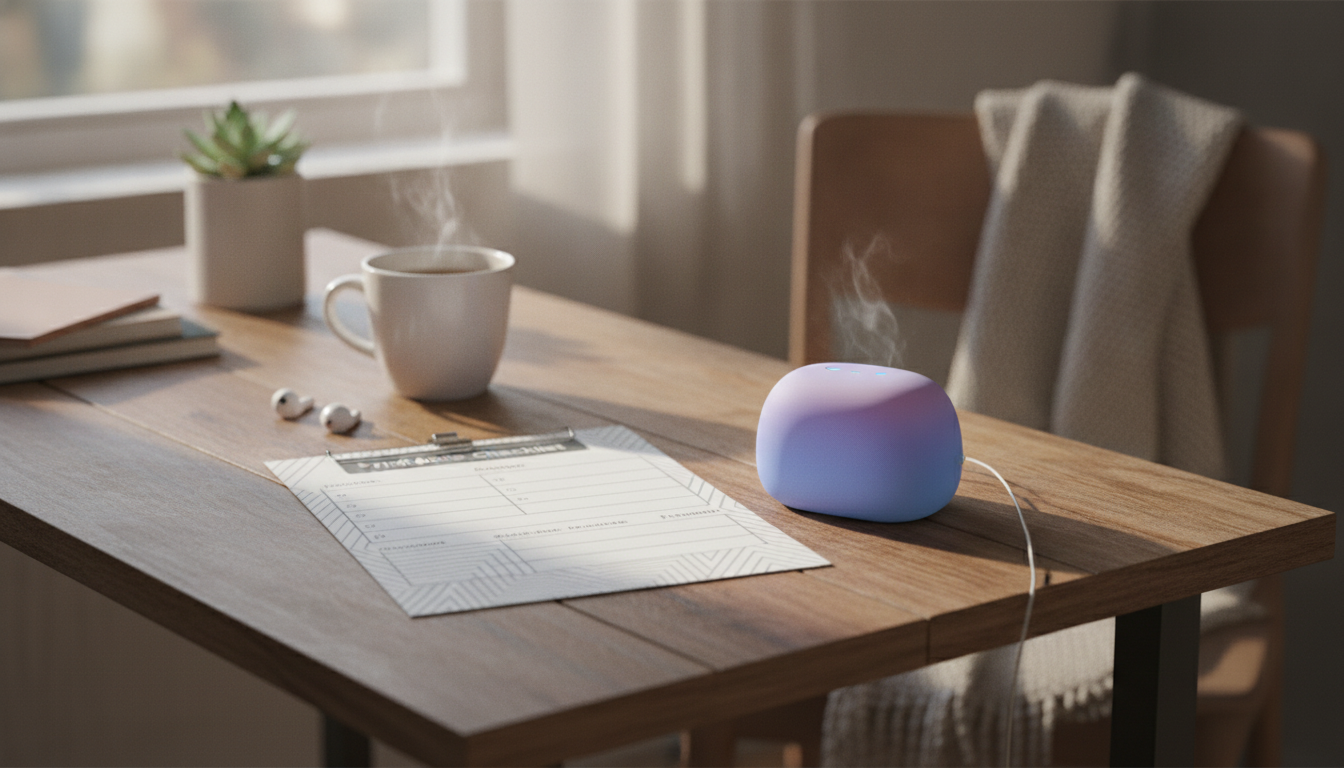
Quick Relaxation Micro-Breaks: A Printable Checklist for Calm Living
Stressful days rarely come with a spare hour. What they do come with are tiny pockets of time—60 seconds before a call starts, two minutes while the kettle heats, five minutes before sleep. Short, repeatable micro-breaks help you use those pockets on purpose. Instead of pushing through tension until it spills over, you practice quick resets that soften the body, clear mental clutter, and make the next task feel more manageable.
A printable checklist paired with AI-guided suggestions turns “I need a break” into a simple routine that fits the moment—whether you’re at your desk, stuck in the car line, or winding down on the couch.
What a micro-break is (and why it works on busy days)
A micro-break is a brief pause—typically 30 seconds to 5 minutes—used to reduce mental load and relax the body without disrupting your day. Unlike longer meditation sessions or workouts, micro-breaks are designed to be “drop-in” practices you can repeat often.
- Keep it single-purpose: Micro-breaks work best when they include one clear action (breathing, stretching, or sensory grounding) rather than multitasking.
- Consistency beats duration: Several small resets across the day can feel more sustainable than waiting for one long recovery window that never arrives.
- Look for a noticeable shift: The goal isn’t perfection—it’s a change you can feel: slower breath, softer jaw/shoulders, clearer focus, or reduced urgency.
For practical, research-informed guidance on coping skills and stress basics, resources like the American Psychological Association’s stress information and the CDC’s coping with stress page can be helpful starting points.
How the printable checklist supports calm living
When stress is high, decision-making gets harder. A checklist removes that friction by giving you a ready set of options for different moods and time limits. Instead of asking “What should I do right now?” you simply pick one item and do it.
- Less decision fatigue: A clear menu of micro-breaks makes it easier to start—especially on overloaded days.
- Visible cues in stress zones: Printing the checklist creates reminders near common pinch points: desk, kitchen counter, nightstand, or commute bag.
- Simple tracking without pressure: A checkmark reinforces the habit without turning relaxation into another performance metric.
- Tiny wins matter: A good checklist includes short options like a 3-breath reset, a 20-second shoulder drop, or a quick hydration prompt.
Use it as a pick-one menu: choose a single item, complete it, and return to the day. Done is the win.
AI help for short relaxation routines: make each break fit the moment
AI can help you personalize micro-breaks based on what’s realistic right now—not what would be ideal on a calm weekend. That personalization matters because the “right” reset at your desk may be different from what works in bed or in the car.
- Match the moment: Request options based on available time, location (desk, car, couch), and current stress signals (tight chest, racing thoughts, headache).
- Respect preferences: Ask for variations that fit your boundaries: no-lying-down options, quiet routines, camera-off work breaks, or stretch-only sequences.
- Create if-then plans: Example: if tension spikes during email, then do a 60-second breath + jaw release before replying.
- Rotate to prevent boredom: Alternate between breath, movement, and sensory grounding so the practice stays fresh.
- Keep prompts simple: One cue, one action, one closing breath makes follow-through faster.
For more on mindfulness and safety considerations, the NCCIH overview of meditation and mindfulness offers a balanced summary.
Micro-break menu by time and situation
Pick the shortest routine that feels doable; completion builds momentum. To make it automatic, pair a micro-break with an existing trigger: finishing a call, sending an email, or waiting for the kettle. If stress is high, choose grounding or exhale-focused breathing before adding movement.
Guided Micro-Break Routine Options
| Time available | Routine | Best for |
|---|---|---|
| 30–60 seconds | Exhale-lengthening breaths (inhale 3, exhale 5) + drop shoulders | Rapid stress spike, pre-reply pause |
| 1–2 minutes | 5-4-3-2-1 sensory scan + unclench jaw | Racing thoughts, overstimulation |
| 2–3 minutes | Neck/shoulder mobility (slow circles) + forward fold at desk | Upper-body tension from screens |
| 3–5 minutes | Box breathing (4-4-4-4) + brief body scan from feet to face | Pre-meeting reset, anxious restlessness |
| 5 minutes | Guided “micro-walk” (indoors or outdoors) + slow breathing cadence | Afternoon slump, mental fatigue |
A simple way to use the checklist throughout the day
When to adjust the routine (and when to get extra support)
Recommended printable + AI-assisted tool
- AI Help for Quick Relaxation printable checklist and guided micro-break routine ($13.95)
- Infrared Sauna for One Person ($3773.65) for longer, deeper recovery sessions when you can step beyond micro-breaks
FAQ
How often should micro-breaks be taken during a stressful day?
A practical cadence is 60–120 seconds every 60–90 minutes, plus an extra micro-break right after known stress triggers (difficult emails, tense meetings, or intense multitasking). Stay flexible: choosing the shortest doable option consistently is more useful than aiming for longer breaks you skip.
What is a good 60-second relaxation routine for work?
Sit tall, drop your shoulders on an exhale, and do 4–6 exhale-lengthening breaths (inhale 3, exhale 5). Finish by unclenching your jaw and letting your tongue rest gently, then take one normal breath before returning to your task.
Can micro-break relaxation help with sleep later on?
Yes—micro-breaks can lower cumulative tension and make it easier to downshift at night, especially if you use longer exhales or gentle stretching in the evening. If insomnia is persistent or worsening, additional support may be needed alongside relaxation habits.
Recommended for you



Best Neck & Shoulder Heating Pad: Fit, Heat, Safety
Jul 14, 2026
2200W Max Electric Meat Grinder with Sausage & Kubbe
Jul 14, 2026












Leave a comment