-
Shop
- Adidas
- Advanced Technologies
- AI Skills Mastery 2026 Collection
- Apple Accessories
- Best-Sellers
- Car Accessories
- Dating & Social Confidence
- Dating & Social Skills
- Digital Resources
- Education & Learning
- Family & Parenting
- Fashion
- Fashion Accessories
- Furniture
- Gadgets
- Health & Beauty
- Health & Wellness
- Home & Garden
- Home Supplies
- Kids & Babies
- Kitchen Best-Sellers
- Lighting
- Nike
- Patio, Lawn & Garden
- Personal Growth
- Pet Care
- Pet Supplies
- Pets
- Shoes
- Sport & Outdoors
- Stress Relief & Relaxation
- Summer 2025 Fashion Collection
- Sunglasses
- Super Deals
- Travel
- Travel & Outdoors
- Wealth
- Wealth Building
- Women’s Wellness & Lifestyle
- Popular
- Best deals
2200W Max Electric Meat Grinder with Sausage & Kubbe
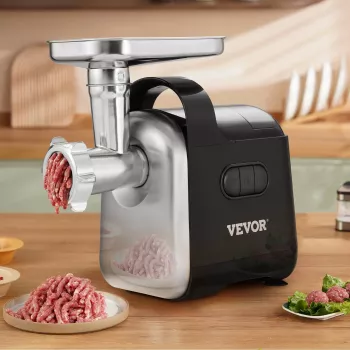
Electric Meat Grinder 2200W Max with Sausage & Kubbe Maker – Stainless Steel
A powerful electric meat grinder can turn fresh cuts into consistent mince, burger blends, and homemade sausage in minutes. This stainless steel grinder is built for fast processing, multiple textures, and add-ons for sausage and kubbe—useful for meal prep, entertaining, and stocking the freezer with custom mixes. With the right prep and a cold workflow, you’ll get a cleaner grind, better texture, and more reliable results from batch to batch.
What This Grinder Helps You Make
Grinding at home gives you control over freshness, fat ratio, and seasoning—plus the freedom to match the texture to the dish.
- Fresh ground meat for burgers, meatballs, meatloaf, dumplings, tacos, and chili with control over fat ratio and seasoning.
- Coarse-to-fine textures by choosing different grinding plates for the recipe (chunkier for chili, finer for stuffing and pâté-style mixes).
- Sausage links and patties using the sausage attachment for breakfast sausage, Italian-style blends, and snack sticks (texture depends on plate choice and chill level).
- Kubbe shells for stuffed dishes by forming a consistent outer layer before filling.
- Batch prep for freezer packs: grind, portion, label, and freeze in flat bags for quicker thawing.
If you’re ready to start building custom blends at home, you can find the Electric Meat Grinder 2200W Max with Sausage & Kubbe Maker – Stainless Steel in our store.
Key Parts and How They Work Together
Great grinding is less about forcing meat through and more about smooth feed, sharp cutting surfaces, and the right plate for the job.
- Powerful motor (peak output) designed to push meat through the auger quickly; steady feed and proper trimming improve flow.
- Stainless steel body for durability and easier wipe-down after processing.
- Auger, blade, and plate system: the auger feeds, the blade cuts, and the plate determines final texture.
- Sausage funnel/tube for stuffing seasoned ground meat into casings; best results come from a slightly tacky, well-mixed farce kept cold.
- Kubbe maker attachment for shaping hollow tubes/shells consistently.
At-a-Glance Specifications
| Item | Details |
|---|---|
| Peak power | 2200W max |
| Body material | Stainless steel |
| Included attachments | Sausage maker, kubbe maker |
| Primary use | Grinding meat and forming sausage/kubbe |
| Best practice | Chill meat and parts for cleaner grinding |
Getting Better Results: Prep and Grinding Technique
A consistent, clean grind starts before you switch the machine on. Temperature and uniformity matter just as much as power.
- Chill the meat: firm, cold cubes reduce smearing and help produce a cleaner grind; partially freeze for 15–30 minutes if needed.
- Trim and cube evenly: remove heavy sinew and cut into consistent pieces so the auger feeds smoothly.
- Choose a plate based on the dish: coarse for rustic texture, medium for burgers, fine for emulsified-style mixes and stuffing.
- Grind in stages for precision: a coarse-first pass followed by a finer pass can create uniform texture without overworking the meat.
- Mix after grinding, not before: seasoning and binders incorporate better when the grind is consistent and still cold.
For safe handling, keep raw meat cold and avoid leaving it at room temperature while you work. The USDA’s guidance on ground meat and food safety is a helpful reference for storage, cooking, and cross-contamination prevention.
Sausage Making and Kubbe: Practical Tips
The sausage and kubbe attachments expand what you can do beyond basic grinding—especially when you focus on bind, temperature, and consistent pressure.
- For sausage, aim for a sticky, well-developed mix: salt and thorough mixing help bind fat and lean for a juicy bite.
- Keep everything cold: warm fat can smear and clog; chill bowls, plates, and the grinder head if possible.
- Avoid overpacking casings: moderate pressure prevents blowouts and helps create even links.
- For kubbe shells, keep texture consistent: a steady dough/meat paste texture helps the attachment form smooth tubes without tearing.
- Do a small test batch: adjust seasoning and texture before committing to a full load.
When cooking sausage, don’t guess—verify doneness with a thermometer. The USDA’s guide to kitchen thermometers makes it easy to confirm safe internal temperatures.
Cleaning, Care, and Safe Use
Clean parts perform better, last longer, and are less likely to carry odors or residue into your next batch.
- Unplug before disassembly: wait for moving parts to stop fully.
- Disassemble promptly: residue is easier to remove before it dries on plates and blades.
- Wash removable parts: use warm, soapy water and a brush to clear plate holes and threads.
- Dry thoroughly: prevent corrosion and odors; store blades and plates clean and dry.
- Maintain sharp cutting surfaces: sharpen or replace worn blades/plates when grinding becomes slow or paste-like; sharp components reduce heat and improve texture.
Common Issues and Quick Fixes
Who This Model Fits Best
More In-Stock Picks
- Electric Meat Grinder 2200W Max with Sausage & Kubbe Maker – Stainless Steel
- Infrared Sauna for One Person
- 28-Piece Natural Hair Makeup Brush Set
FAQ
Can it grind chicken, turkey, and fish as well as beef and pork?
Yes. Use cold, well-trimmed pieces and choose the plate texture that matches the recipe; poultry and fish should be kept especially cold to reduce smearing.
How can sausage stuffing come out smoother and more even?
Chill the mixture and the grinder parts, mix until tacky to build bind, and feed steadily without forcing. Avoid overfilling casings so pressure stays consistent.
What should be done if the grinder starts clogging during a batch?
Stop, unplug, and clear the plate and auger, then check for sinew-heavy pieces. Re-chill the meat and continue with smaller, more uniform cubes.















Leave a comment