-
Shop
- Adidas
- Advanced Technologies
- AI Skills Mastery 2026 Collection
- Apple Accessories
- Best-Sellers
- Car Accessories
- Dating & Social Confidence
- Dating & Social Skills
- Digital Resources
- Education & Learning
- Family & Parenting
- Fashion
- Fashion Accessories
- Furniture
- Gadgets
- Health & Beauty
- Health & Wellness
- Home & Garden
- Home Supplies
- Kids & Babies
- Kitchen Best-Sellers
- Lighting
- Nike
- Patio, Lawn & Garden
- Personal Growth
- Pet Care
- Pet Supplies
- Pets
- Shoes
- Sport & Outdoors
- Stress Relief & Relaxation
- Summer 2025 Fashion Collection
- Sunglasses
- Super Deals
- Travel
- Travel & Outdoors
- Wealth
- Wealth Building
- Women’s Wellness & Lifestyle
- Popular
- Best deals
Stress Less with AI: Track Stress, Boost Focus Daily
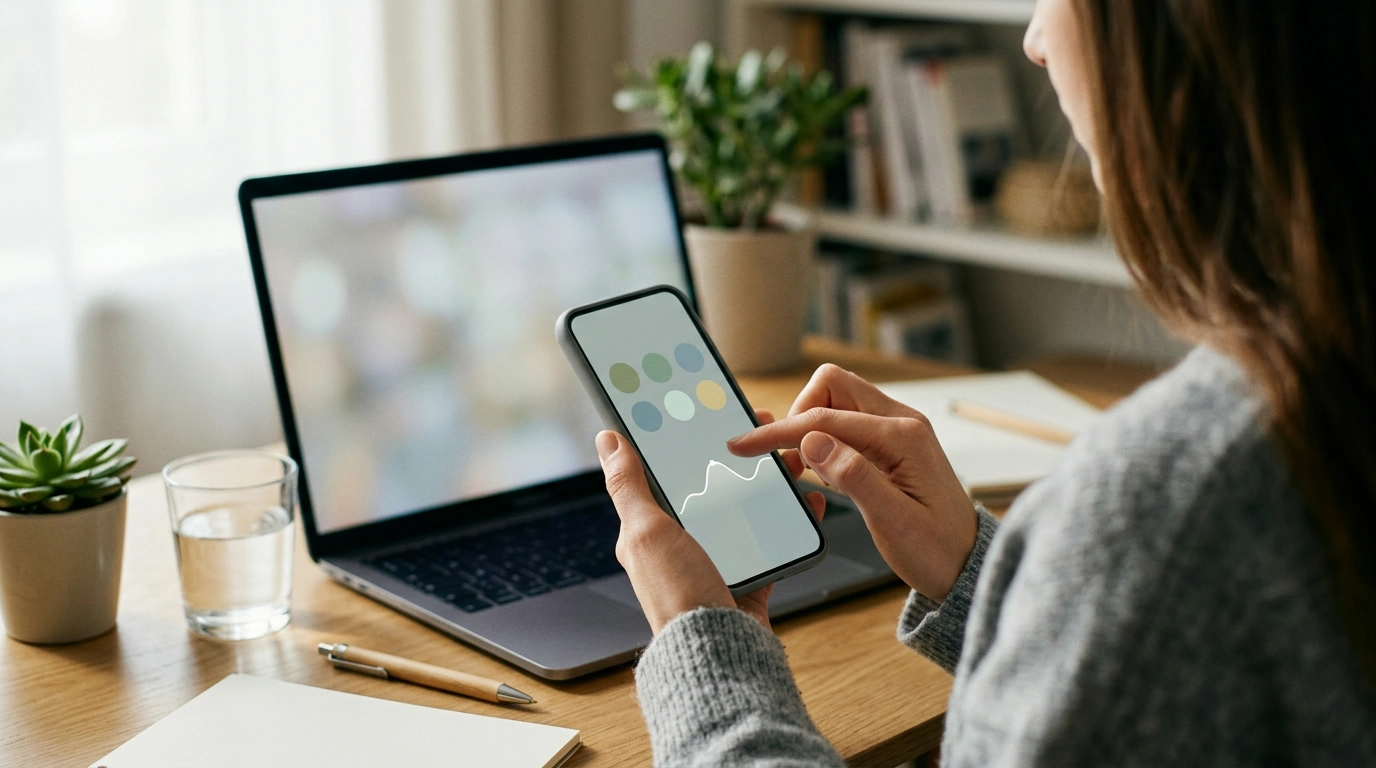
Stress can build quietly—through deadlines, constant notifications, and uneven sleep—until it starts to affect mood, focus, and productivity. A structured digital guide with AI-powered stress tracking helps spot patterns early, turn observations into small daily actions, and build steadier routines without adding more complexity to the day.
What “stress tracking” looks like in daily life
Stress tracking isn’t about logging every feeling or optimizing every minute. It’s a lightweight habit that makes stress measurable, so it’s easier to respond before a rough week turns into a rough month.
- Captures quick check-ins on mood, energy, sleep quality, workload, and triggers to make stress more concrete instead of vague.
- Highlights repeating patterns (for example: stress spikes after late caffeine, back-to-back meetings, or poor sleep).
- Turns patterns into next steps such as pacing tasks, improving breaks, and choosing recovery activities that fit available time.
- Supports both prevention (reducing baseline stress) and recovery (downshifting after a tough day).
How the AI-powered guide supports stress relief and productivity
The most useful stress tools do two things at once: they lower the intensity of stress and help protect attention. AI-assisted tracking is especially helpful when it keeps the process brief and turns entries into clear trends.
- Prompts consistent, fast reflection so the data becomes meaningful without taking over the schedule.
- Organizes entries into trends: common triggers, high-stress windows, and recovery activities that actually help.
- Suggests practical adjustments that protect focus: breaking work into short blocks, scheduling buffer time, and planning realistic daily priorities.
- Encourages a feedback loop: try one change, track impact for a few days, then keep what works and discard what doesn’t.
Common stress patterns and helpful next steps
| Pattern noticed | What it may mean | Small adjustment to try (1–10 minutes) |
|---|---|---|
| Stress peaks mid-afternoon | Energy dip, skipped lunch, or decision fatigue | Hydrate + protein snack, 5-minute walk, reset task list to 1 priority |
| Tension after meetings | Context switching and social load | Two-minute breathing drill, quick notes to close loops, short stretch |
| Poor sleep after busy days | Late screen time or unresolved tasks | End-of-day brain dump, set tomorrow’s first step, 10-minute wind-down routine |
| Irritability on high-notification days | Constant interruptions | Batch notifications for 30–60 minutes, focus timer, single-task rule |
| Low motivation despite “free time” | Recovery mismatched to needs | Choose one recovery category: movement, connection, rest, or creative play |
Key elements to look for in a digital stress-relief guide
A solid stress-relief system should feel supportive on the busiest days, not like another item on a to-do list.
- Simple daily check-ins: Minimal friction increases consistency and makes trends clearer.
- Actionable insights: Patterns are only helpful when they lead to specific, doable actions.
- Wellness + productivity alignment: Stress relief that also improves planning, focus, and follow-through.
- Flexible use: Supports high-pressure weeks as well as calmer seasons without needing a full routine overhaul.
- Clear boundaries: Encourages healthy pacing rather than “optimize everything” pressure.
A simple 7-day way to get started
When starting a new tracking habit, the goal is clarity—not major change. A short one-week experiment can reveal what’s actually driving stress and what genuinely helps.
- Day 1: Record a baseline check-in (stress level, sleep, workload, top triggers) and pick one small recovery action.
- Days 2–3: Track the same signals at the same time each day; avoid changing too many habits at once.
- Day 4: Review patterns: identify one trigger to reduce and one recovery practice to repeat.
- Days 5–6: Test one change (example: meeting buffer, earlier caffeine cutoff, or protected focus block) and track impact.
- Day 7: Summarize what improved: energy, mood, sleep, or productivity; keep the best one or two changes for the next week.
Practical stress-reduction tactics the guide can reinforce
Small tactics work best when they’re tied to a specific moment: before a meeting, after a stressful message, or during the afternoon slump. Over time, these micro-resets add up to steadier days.
For broader context on how stress affects the body and why stress skills matter, explore guidance from the American Psychological Association and the National Institute of Mental Health.
Privacy, expectations, and healthy use
If meditation or mindfulness is part of your wind-down routine, the Mayo Clinic’s overview of meditation offers a helpful starting point.
Complementary ways to build a calmer environment
In-stock tools that support calmer, more focused days
For a structured, low-friction way to turn stress signals into doable next steps, start with Stress Less with AI digital guide. For environment-based recovery, an Infrared sauna for one person can be a dedicated wind-down option during heavy weeks. And for simple comfort cues that make decompression feel more natural, the Adidas women’s pink print hooded sweatshirt is an easy, everyday layer to signal “off-duty” time.
FAQ
How often should stress be tracked for the insights to be useful?
Once daily at a consistent time is usually enough to spot patterns. If there’s a predictable trigger (like a recurring meeting), add a quick 30-second check-in afterward, but prioritize consistency over frequency.
Can stress tracking improve productivity without adding more pressure?
Yes—when it’s brief and focused on trends, it can reveal what disrupts focus (like context switching or notifications) and where small breaks help. Keep tracking lightweight so it supports your day instead of becoming another task.
What if the suggestions don’t match the day’s reality?
Scale down to the smallest possible step (one minute of breathing, one clarified next action, one boundary cue) and test it for a few days. Keep only the changes that feel doable and produce a noticeable benefit.
Recommended for you



Pocket RGB Bluetooth 5.3 Speaker: HiFi Sound + TWS
Sep 25, 2026
Dispenser Pump Problems: Causes and Simple Fixes
Sep 26, 2026













Leave a comment