-
Shop
- Adidas
- Advanced Technologies
- AI Skills Mastery 2026 Collection
- Apple Accessories
- Best-Sellers
- Car Accessories
- Dating & Social Confidence
- Dating & Social Skills
- Digital Resources
- Education & Learning
- Family & Parenting
- Fashion
- Fashion Accessories
- Furniture
- Gadgets
- Health & Beauty
- Health & Wellness
- Home & Garden
- Home Supplies
- Kids & Babies
- Kitchen Best-Sellers
- Lighting
- Nike
- Patio, Lawn & Garden
- Personal Growth
- Pet Care
- Pet Supplies
- Pets
- Shoes
- Sport & Outdoors
- Stress Relief & Relaxation
- Summer 2025 Fashion Collection
- Sunglasses
- Super Deals
- Travel
- Travel & Outdoors
- Wealth
- Wealth Building
- Women’s Wellness & Lifestyle
- Popular
- Best deals
Dispenser Pump Problems: Causes and Simple Fixes
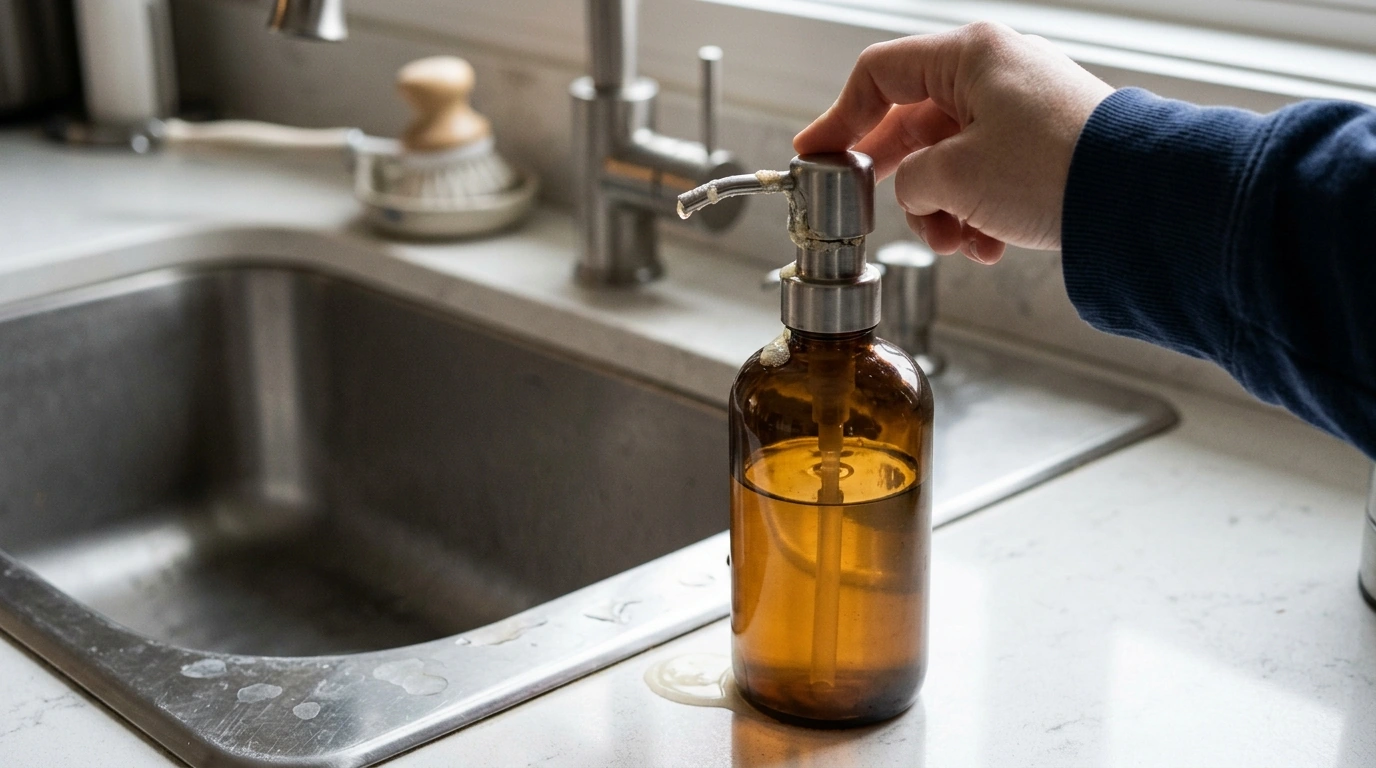
What are common problems with dispenser pumps?
Dispenser pumps can clog, lose suction, leak, dispense unevenly, or become loose where they attach to the bottle or sink. These issues often come from dried soap, trapped air, a poor connection, or a product that is too thick for the pump.
Why is the pump clogged or dispensing slowly?
Soap residue can dry inside the nozzle or pump tube, narrowing the passage. Thick soap, lotion, or soap with particles may also be difficult for a pump designed for a thinner liquid to handle. Remove the pump head and rinse it with warm water. If needed, soak the removable parts briefly, then pump warm water through the mechanism until the flow improves. Check the product instructions before using cleaners or taking the pump apart.
Why does the pump dispense air or stop pumping?
A pump may need priming after it has been refilled or left unused. Press the pump several times to draw liquid up the tube. If that does not work, check that the tube is firmly attached, reaches the liquid, and is not kinked. A low soap level or a loose connection can also let air into the pump.
What causes leaks or dripping?
Drips can result from soap left in the nozzle, a worn seal, a cracked pump head, or a loose connection. Wipe the nozzle and check that the pump is tightened according to its design without forcing it. If soap leaks around the base or bottle neck after the connection is secure, a damaged seal or pump may need replacement. A small amount of residue at the nozzle after dispensing is different from a continuing leak.
Why does the dispenser feel loose or corrode?
A sink-mounted dispenser can loosen if its mounting hardware shifts or is not snug. Check underneath the sink and tighten the fitting gently, following the manufacturer’s directions. Corrosion may appear when a pump’s materials are not suited to a damp area or the liquid being used. Rinse away spills and dry exposed surfaces; replace parts that are pitted or no longer work smoothly.
Regular rinsing, compatible soap, and a secure installation can prevent many pump problems. For details on choosing a sink upgrade, see the guide to stainless-steel, no-drip sink soap dispensers.
FAQ
How often should you clean a soap dispenser pump?
Rinse the pump when you refill it, or sooner if the flow slows or soap dries around the nozzle. Regular cleaning helps prevent residue from building up inside the mechanism.
Recommended for you

Stress Less with AI: Track Stress, Boost Focus Daily
Sep 25, 2026
Calvin Klein Orange Shoulder Bag for Fall & Winter
Sep 26, 2026













Leave a comment