-
Shop
- Adidas
- Advanced Technologies
- AI Skills Mastery 2026 Collection
- Apple Accessories
- Best-Sellers
- Car Accessories
- Dating & Social Confidence
- Dating & Social Skills
- Digital Resources
- Education & Learning
- Family & Parenting
- Fashion
- Fashion Accessories
- Furniture
- Gadgets
- Health & Beauty
- Health & Wellness
- Home & Garden
- Home Supplies
- Kids & Babies
- Kitchen Best-Sellers
- Lighting
- Nike
- Patio, Lawn & Garden
- Personal Growth
- Pet Care
- Pet Supplies
- Pets
- Shoes
- Sport & Outdoors
- Stress Relief & Relaxation
- Summer 2025 Fashion Collection
- Sunglasses
- Super Deals
- Travel
- Travel & Outdoors
- Wealth
- Wealth Building
- Women’s Wellness & Lifestyle
- Popular
- Best deals
Audi Door Lock Buckle Cushion: Quieter, Cleaner Jambs
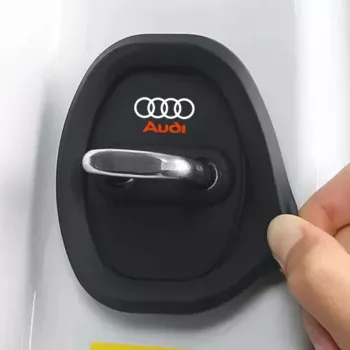
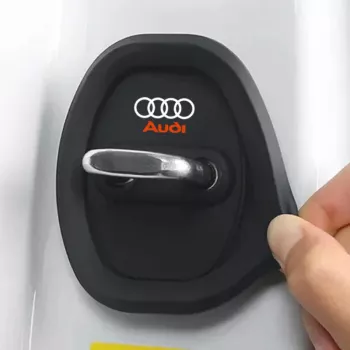
Silicone Car Door Lock Buckle Cushion for Audi: Small Detail, Noticeable Difference
A small add-on can make a noticeable difference in daily driving: a silicone cushion over the door lock buckle helps soften contact points, reduce rattles and scuffs around the latch area, and keep the door jamb looking cleaner over time—while keeping operation simple.
What a door lock buckle cushion does
The door lock buckle (often called the latch/striker area depending on the piece you’re looking at) is one of those high-touch spots that gets bumped by bags, belts, and hands. A silicone cushion is designed to add a soft layer right where metal hardware and painted surfaces meet.
- Covers the metal door latch/buckle area with a soft silicone layer
- Helps reduce minor rattling noise from vibration in the latch zone
- Adds a buffer that can help prevent small chips, scuffs, and paint wear around the door jamb
- Can help keep dust and road grime from collecting directly on the metal surface
- Maintains a tidy, finished look when the door is open
It’s not a structural repair part—it’s a protective “wear layer” that can help your latch zone age more gracefully, especially if the car sees frequent passengers, rideshare use, or tight parking situations.
Why silicone is a practical material for the latch area
Silicone is used in many automotive-adjacent applications because it’s flexible, stable across a wide temperature range, and easy to clean. As a cover material around door hardware, it offers a comfortable mix of grip and resilience.
- Flexible and slightly elastic for a snug fit on latch hardware
- Resists moisture and common temperature swings encountered in car doors
- Easy to wipe clean without special products
- Non-metallic surface can reduce the chance of micro-scratches from incidental contact
For a deeper overview of silicone polymers and why they behave the way they do (elasticity, stability, and durability), see the American Chemical Society’s silicone overview.
Fit and compatibility considerations for Audi vehicles
Audi door latch hardware can vary by model and year, and even small geometry differences can affect how “flush” a cover sits. Before installing, it helps to quickly verify coverage and clearance so the cushion protects without interfering.
- Confirm the cushion is designed for Audi-style door lock buckles (latch shape and size can vary by model/year)
- Check whether the set is intended for front doors, rear doors, or all doors
- Verify that the cushion does not interfere with door closing or sealing—properly fitted parts should not change the door’s closing feel
- If the vehicle has been modified or repaired (aftermarket latches or body work), compare the latch geometry before installing
Quick compatibility checklist
| Check | What to look for | Why it matters |
|---|---|---|
| Latch shape | Matches the buckle’s contour | Prevents loose fit or gaps |
| Door count coverage | 2-door/4-door set alignment | Ensures all intended doors are protected |
| Clearance | No rubbing against trim or seal | Avoids squeaks and improper sealing |
| Closing action | Door closes normally without extra force | Confirms no interference with latch function |
Installation steps and best practices
Installation is typically quick, but prep work makes a difference. A clean latch zone helps the silicone sit evenly, reduces the chance of trapped grit, and improves the finished look.
- Clean the latch/buckle area: remove dust, grit, and wax residue so the silicone sits flush.
- Dry the surface completely to avoid trapping moisture under the cover.
- Align the cushion with the buckle and press it into place evenly (avoid twisting that can misalign the edges).
- Open and close the door slowly a few times to confirm there is no contact with the striker/receiver beyond the intended fit.
- Re-check after a short drive to ensure the cover remains seated and does not shift.
If you’re already washing the door jambs (often skipped during quick washes), follow common car-care guidance and avoid overly aggressive chemicals on trim and rubber. For general cleaning best practices, reference 3M’s car care guidance.
Everyday benefits: comfort, cleanliness, and noise control
Door jambs take a surprising amount of abuse—especially when kids climb in, you’re loading groceries, or you’re squeezing out in a tight garage. A silicone buckle cushion can help keep those micro-moments from turning into visible wear.
Common problems and what the cushion can help with
| Issue around the door jamb | How a silicone cushion helps | Notes |
|---|---|---|
| Minor scuffs near latch | Adds a soft barrier | Works best with a secure, flush fit |
| Dust buildup on metal buckle | Covers exposed surfaces | Still recommended to clean periodically |
| Light rattle/tick | Dampens contact and vibration | Not a fix for worn hinges or latch misalignment |
| Visible wear over time | Reduces direct abrasion | Pairs well with regular washing and drying |
Care and maintenance
When to replace or remove
Shop in-stock picks
- Silicone Car Door Lock Buckle Cushion for Audi
- 28-Piece Natural Hair Makeup Brush Set
- Crime London Men’s White Leather Shoes
FAQ
Will a silicone buckle cushion affect how the door closes?
A properly fitted cover should not change closing force or latch engagement. After installation, do a few slow open/close cycles; if you feel resistance, remove and re-seat the cushion until the door closes normally.
Can it help with rattling noises near the door?
It can dampen light vibration and minor contact noise around the latch area, especially if the noise is coming from small movements at the buckle zone. It won’t solve issues caused by latch misalignment, worn hinges, or loose interior trim.
How should it be cleaned?
Use mild soap and water with a microfiber cloth, then dry the area. Avoid strong solvents, and occasionally check the edges to make sure no grit is trapped underneath.
Recommended for you
Tommy Hilfiger Genuine Leather: What to Check
Aug 1, 2026













Leave a comment