-
Shop
- Adidas
- Advanced Technologies
- AI Skills Mastery 2026 Collection
- Apple Accessories
- Best-Sellers
- Car Accessories
- Dating & Social Confidence
- Dating & Social Skills
- Digital Resources
- Education & Learning
- Family & Parenting
- Fashion
- Fashion Accessories
- Furniture
- Gadgets
- Health & Beauty
- Health & Wellness
- Home & Garden
- Home Supplies
- Kids & Babies
- Kitchen Best-Sellers
- Lighting
- Nike
- Patio, Lawn & Garden
- Personal Growth
- Pet Care
- Pet Supplies
- Pets
- Shoes
- Sport & Outdoors
- Stress Relief & Relaxation
- Summer 2025 Fashion Collection
- Sunglasses
- Super Deals
- Travel
- Travel & Outdoors
- Wealth
- Wealth Building
- Women’s Wellness & Lifestyle
- Popular
- Best deals
Biohack Your Diet: 14-Day Nutrition & Meal Planning System
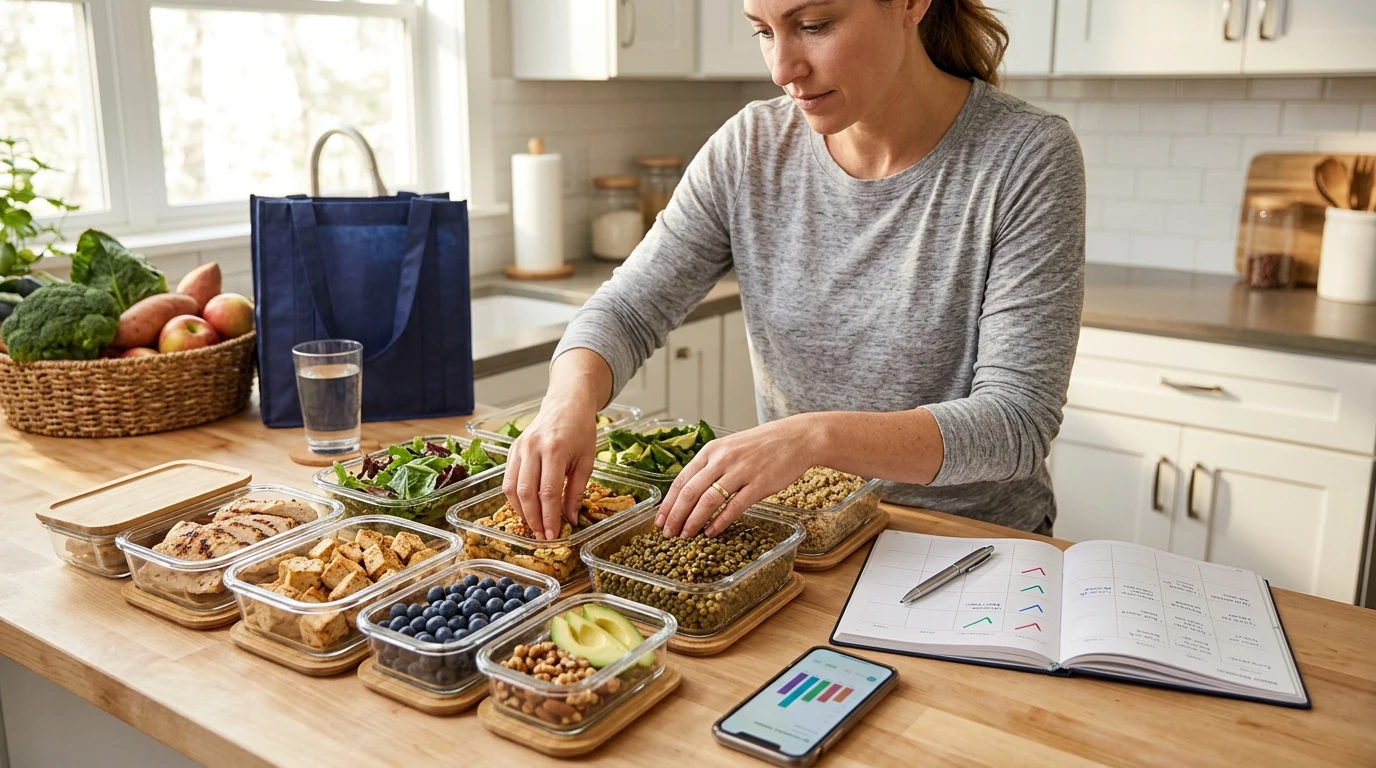
Biohacking Your Diet: A Digital Guide to Smarter Nutrition, Meal Planning, and Sustainable Habits
Food choices shape energy, focus, recovery, and long-term health. A biohacking approach keeps it practical: measure what matters, run small experiments, and build routines that stick. The goal isn’t “perfect eating”—it’s a repeatable system that makes good choices easier on busy days and resilient when life gets messy.
If you want a structured, ready-to-use framework for planning and follow-through, Biohacking Your Diet | Digital Guide for Nutrition, Meal Planning, AI Prompts, Healthy Habits & Lifestyle Optimization turns the process into a simple weekly workflow (planning, shopping, and habit cues) so daily decisions feel lighter.
What “biohacking your diet” means in everyday life
Biohacking your diet is less about trendy rules and more about using a feedback loop: set a goal, change one variable, track outcomes, and adjust. You’re treating nutrition like a personal, low-stakes experiment—one that’s grounded in fundamentals rather than extremes.
- Use a feedback loop: pick a goal, change one thing, track it, and refine.
- Prioritize fundamentals first: protein, fiber, hydration, and consistent meal timing.
- Build systems over perfection: templates, shopping lists, and default meals that reduce decision fatigue.
- Separate short-term vs. long-term goals: today’s energy and sleep can improve quickly; body composition and metabolic health are slower, steadier wins.
For evidence-based baselines, use reputable references like Harvard T.H. Chan School of Public Health — The Nutrition Source to sanity-check big ideas before testing them.
Set a clear target: outcomes, constraints, and a 14-day experiment
The fastest way to get useful results is to narrow your focus. Choose one primary outcome and run a short test window (7–14 days). That timeline is long enough to spot patterns, but short enough to stay consistent.
- Pick one outcome: steadier energy, fat loss, muscle gain, digestion comfort, or better sleep.
- List constraints: budget, cooking time, preferences, allergies, social schedule.
- Choose a 7–14 day test: avoid “overhaul mode,” which usually collapses by week two.
- Define success metrics: energy (1–10), hunger, training output, sleep quality, and weekly waist/weight trends.
Simple tracking dashboard for a 14-day nutrition experiment
| Metric | How to measure | Target trend |
|---|---|---|
| Protein | Grams/day or servings/meal | Consistent daily minimum |
| Fiber | Grams/day | Gradual increase without GI distress |
| Hydration | Liters/day + urine color check | Stable, pale yellow most days |
| Energy | 1–10 rating (mid-morning and mid-afternoon) | Fewer crashes |
| Sleep | Hours + subjective quality (1–10) | More consistent duration/quality |
| Training | Key lifts, steps, or session RPE | Improved output or lower perceived effort |
| Digestion | Bloating/comfort score (1–10) | Improved comfort and regularity |
For accurate nutrition details when you’re tracking, cross-check foods using USDA FoodData Central—especially when labels vary between brands.
Build a high-signal plate: protein, fiber, and smart carbs
Most successful “diet upgrades” are just better defaults. A high-signal plate is built around satiety, stable blood sugar, and enough protein to support lean mass and recovery.
- Protein anchor: include a complete protein source at each main meal (eggs, Greek yogurt, poultry, fish, tofu/tempeh, lean beef, legumes paired with grains).
- Fiber foundation: add vegetables, beans/lentils, berries, and whole grains to support gut health and steadier glucose response.
- Carb strategy: place more carbs around training or the most demanding part of the day; choose minimally processed options most often.
- Fat quality: favor unsaturated fats (olive oil, nuts, seeds, avocado, fatty fish) while keeping portions intentional.
One useful rule: if you regularly crash mid-afternoon, don’t only cut carbs—first check whether lunch had enough protein and fiber to slow digestion and keep you full.
Meal planning that reduces friction (and decision fatigue)
Planning works best when it feels like a template, not a script. The aim is to reduce daily decisions without making your week fragile.
- Create default meals: 3–5 “default breakfasts” and 5–8 repeatable dinners you can rotate.
- Go modular: choose a protein + two vegetables + one carb, then change spices and sauces to keep it interesting.
- Batch-cook building blocks: cook proteins, grains, and roasted vegetables separately so you can mix-and-match as plans change.
- Plan for real life: schedule 2–3 quick meals (frozen veggies + rotisserie chicken, sheet-pan salmon, high-protein pasta) and one “leftovers” slot.
AI-assisted workflows for shopping, cooking, and consistency
For people who want a plug-and-play structure (including ready-to-use AI-style planning workflows and adherence rules), Biohacking Your Diet | Digital Guide for Nutrition, Meal Planning, AI Prompts, Healthy Habits & Lifestyle Optimization is built to help you turn “good intentions” into a weekly routine you can repeat.
Healthy habits that make nutrition plans stick
For recovery-focused routines, some people pair improved nutrition with heat exposure. If that fits your lifestyle, Infrared Sauna for One Person is an at-home option that can support a consistent wind-down routine after training or busy workdays.
Common pitfalls and how to troubleshoot quickly
FAQ
How long does it take to notice results from diet biohacks?
Energy, appetite, and digestion can change within a few days, especially with better protein, fiber, and meal timing. Body composition changes and lab markers typically take weeks, so a 14-day experiment with clear metrics and one change at a time helps you see what’s truly working.
Do meal plans work if schedules change every week?
Yes—when the plan is modular. Use a simple template (protein + veggies + carb), batch-cook components instead of full meals, and keep a few quick fallback dinners so the week stays flexible without derailing your targets.
Is AI-based planning safe for nutrition decisions?
AI can be a helpful planning assistant, but it isn’t a substitute for medical advice. If you have allergies, chronic conditions, or take medications, confirm major diet changes with a qualified professional and verify nutrition details with reputable references and your own tracking.
















Leave a comment