-
Shop
- Adidas
- Advanced Technologies
- AI Skills Mastery 2026 Collection
- Apple Accessories
- Best-Sellers
- Car Accessories
- Dating & Social Confidence
- Dating & Social Skills
- Digital Resources
- Education & Learning
- Family & Parenting
- Fashion
- Fashion Accessories
- Furniture
- Gadgets
- Health & Beauty
- Health & Wellness
- Home & Garden
- Home Supplies
- Kids & Babies
- Kitchen Best-Sellers
- Lighting
- Nike
- Patio, Lawn & Garden
- Personal Growth
- Pet Care
- Pet Supplies
- Pets
- Shoes
- Sport & Outdoors
- Stress Relief & Relaxation
- Summer 2025 Fashion Collection
- Sunglasses
- Super Deals
- Travel
- Travel & Outdoors
- Wealth
- Wealth Building
- Women’s Wellness & Lifestyle
- Popular
- Best deals
Silicone + Wooden Ring Baby Teether: BPA-Free Comfort

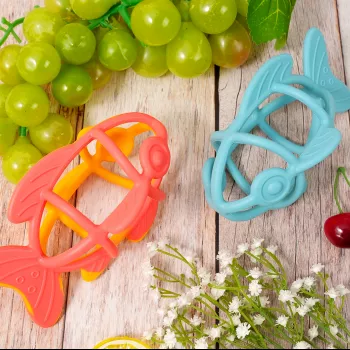
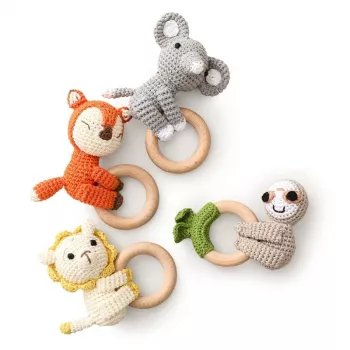
Silicone Baby Teether Toy with Wooden Ring – Safe, BPA-Free Relief for Sore Gums
Teething can bring sore gums, extra drool, and a strong need to chew. A well-designed teether should be easy for small hands to hold, gentle on gums, and made from materials that support everyday, repeated mouthing. This silicone teether with a wooden ring combines soft, textured chewing surfaces with a firm, easy-grip handle for soothing comfort during common teething stages. For more guidance, see Teething Timeline, Symptoms, and Relief Strategies.
What Makes This Teether Easy for Babies to Use
When babies are learning to coordinate hands and mouth, the simplest designs are often the most practical. A silicone-and-wood ring teether offers a balanced mix of comfort and control. For further reading, see How to Help Teething Symptoms without Medications.
- Two-material design: soft silicone for chewing paired with a wooden ring that’s easier to grasp and maneuver.
- Baby-friendly grip: the ring shape supports palmar grasp and early hand-to-hand transferring.
- Chewing variety: textured silicone encourages different biting angles, which can help reach front and side gums.
- Lightweight feel: comfortable for infants who tire quickly when holding heavier toys.
- Simple form factor: fewer crevices can mean easier daily cleaning compared with complex teether shapes.
For general teething guidance and what’s considered typical, the American Academy of Pediatrics’ overview is a helpful reference: HealthyChildren.org – Teething.
Materials and Safety Basics to Look For
Babies mouth teethers for long stretches, so material choices and construction details matter. Look for clear material claims, smooth surfaces, and a build that stays secure as chewing gets stronger.
- BPA-free silicone: designed for frequent mouthing and chewing during teething months.
- Smooth, sealed wood: a solid wooden ring can offer a stable grip while adding a firmer chewing option at the edge.
- Comfortable textures: silicone ridges or bumps can massage gums without feeling sharp.
- One-piece or securely attached parts: avoid teethers with components that could loosen over time.
- Size that suits infants: large enough to discourage choking risk and shaped to prevent deep insertion.
Quick Safety Checklist for a Silicone + Wooden Ring Teether
| Check | What to look for | Why it matters |
|---|---|---|
| Material claims | Food-grade, BPA-free silicone; smooth finished wood | Supports safer, repeat mouthing and chewing |
| Construction | Secure attachment between silicone and ring; no gaps | Reduces snag points and loosening risk |
| Surface condition | No cracks, tears, or splinters | Damaged teethers can harbor germs or break apart |
| Size and shape | Easy-grip ring; teething portion sized for baby’s mouth | Improves handling and helps prevent over-insertion |
| Supervision | Use within sight and reach of an adult | Teething is safest when monitored |
For broader safety reminders around choking hazards and prevention, see: CDC – Choking Hazards. For background on BPA in food-contact applications, the FDA’s resource is also useful: U.S. FDA – BPA Information.
Soothing Strategies That Pair Well with a Teether
A teether works best as part of a small routine that addresses sore gums, fussiness, and drool-related irritation.
- Cold helps: chill the silicone portion briefly (if the design allows) to calm inflamed gums; avoid freezing solid if it becomes too hard.
- Short, frequent sessions: offer the teether in bursts, especially before naps or feeds when fussiness increases.
- Rotate options: alternating between silicone texture and the firmer ring edge can keep baby engaged.
- Drool management: keep a soft bib handy; teething often increases saliva and skin irritation around the mouth.
- Calm routine: combine teether time with gentle gum massage and comforting contact.
If baby seems uninterested, try offering the teether when they’re calm and alert (not overly hungry). Many infants take a few tries to “figure out” a new shape and how to position it on sore spots.
Cleaning and Care for Silicone and Wood
Because this style combines two materials, care is simplest when each part is cleaned in the way that best protects it. The goal is to remove saliva and milk residue, then dry thoroughly to reduce moisture buildup.
Care Guide by Material
| Part | Best cleaning method | Avoid |
|---|---|---|
| Silicone teething portion | Warm water + mild soap; rinse well; air-dry | Harsh cleaners or scented detergents that may leave residue |
| Wooden ring | Wipe with damp cloth; dry immediately | Soaking in water; prolonged dishwasher cycles |
| Overall teether | Frequent inspection + quick cleaning after outings | Using if cracked, sticky, splintered, or misshapen |
When to Use a Teether (and When to Pause)
Product Options
- Silicone Baby Teether Toy with Wooden Ring – Safe BPA Free Infant Teething Aid — a simple, graspable design that combines soft silicone chewing texture with a wooden ring handle for easy holding during early teething stages.
- Infrared Sauna for One Person — a relaxing at-home option for adults who want a dedicated unwind routine during hectic newborn and infant phases.
FAQ
Can a baby chew on the wooden ring?
Many babies will mouth both the silicone and the wooden ring. The wood should be smooth and well-finished, and the teether should be inspected often for roughness, cracks, or splinters, with supervised use during chewing.
How often should a silicone-and-wood teether be cleaned?
Clean it after heavy use and after outings. Wash the silicone with mild soap and warm water, wipe the wooden ring without soaking it, and let all parts dry completely before storing.
Is it safe to chill this type of teether?
Brief chilling can help soothe tender gums as long as the teether stays comfortable to chew. Avoid freezing it solid or exposing it to extreme temperatures that could make the material overly hard or rigid.
Recommended for you

Bladed Meat Tenderizer: When It’s Worth Buying
Jul 29, 2026













Leave a comment