-
Shop
- Adidas
- Advanced Technologies
- AI Skills Mastery 2026 Collection
- Apple Accessories
- Best-Sellers
- Car Accessories
- Dating & Social Confidence
- Dating & Social Skills
- Digital Resources
- Education & Learning
- Family & Parenting
- Fashion
- Fashion Accessories
- Furniture
- Gadgets
- Health & Beauty
- Health & Wellness
- Home & Garden
- Home Supplies
- Kids & Babies
- Kitchen Best-Sellers
- Lighting
- Nike
- Patio, Lawn & Garden
- Personal Growth
- Pet Care
- Pet Supplies
- Pets
- Shoes
- Sport & Outdoors
- Stress Relief & Relaxation
- Summer 2025 Fashion Collection
- Sunglasses
- Super Deals
- Travel
- Travel & Outdoors
- Wealth
- Wealth Building
- Women’s Wellness & Lifestyle
- Popular
- Best deals
Cordless Kneading Shawl: Neck & Shoulder Relief + Heat
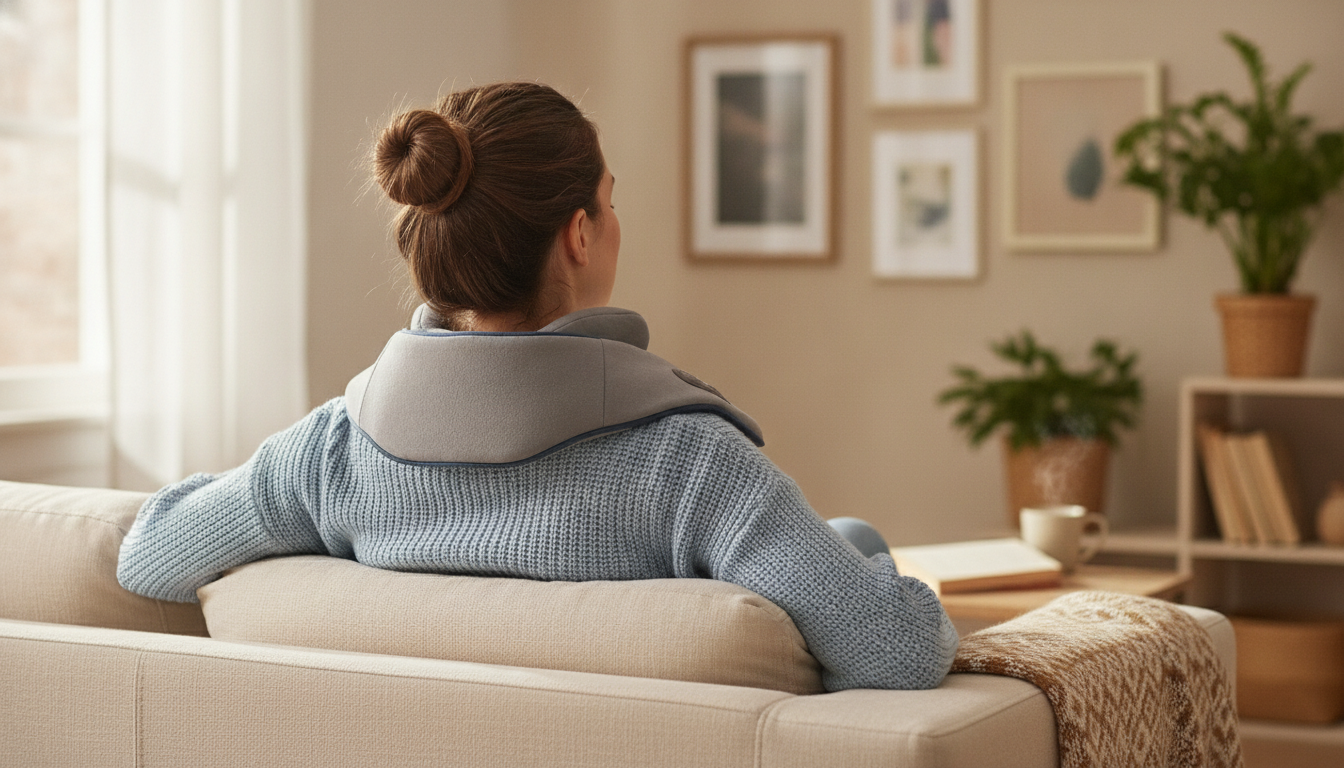
Wireless Neck and Shoulder Relief, Without Being Tethered to an Outlet
Neck and shoulder tension can build from long desk sessions, driving, workouts, or stress. A wireless kneading shawl combines hands-free positioning, deep-tissue-style rolling nodes, and optional heat to help loosen tight areas at home or on the go—without being tied to an outlet. If you like the idea of quick, repeatable recovery sessions between appointments (or instead of them), a rechargeable neck-and-shoulder massager can make it easier to stay consistent.
What This Type of Massager Does
This style of neck and shoulder massager is designed to sit across the upper body like a shawl, focusing pressure where many people carry tension.
- Targets common tight zones: upper trapezius, base of the neck, shoulders, and upper back.
- Kneading nodes: simulate a rolling pressure pattern similar to manual massage, aiming to reduce the sensation of stiffness.
- Optional heat: adds gentle warmth that can support relaxation and comfort, especially before stretching or after prolonged sitting.
- Wireless design: supports quick sessions in a chair, on a couch, or while traveling (where safe and practical).
Massage therapy is widely used for relaxation and muscle comfort; individual results vary depending on sensitivity, stress levels, and how consistently you use it. For background on massage for health purposes, see NCCIH’s overview of massage therapy.
Standout Features to Look For in a Kneading Shawl
Small design details can make a big difference in whether a massager becomes part of your routine or ends up in a closet.
- Wireless operation: freedom to use it without managing a cord; confirm the controls are easy to reach while wearing it.
- Heat option: a separate heat toggle is useful so warmth can be turned on or off depending on comfort and season.
- Intensity control: multiple levels or responsive pressure based on how firmly the shawl is pulled against the body.
- Node direction changes: alternating rotation can reduce “same-spot” fatigue and feel more natural over time.
- Auto shutoff: helps prevent overuse and makes short recovery sessions easier to manage.
- Comfort and fit: wider coverage and stable straps can help it stay positioned on sloped shoulders.
Quick Specs and At-a-Glance Details
A compact summary helps compare comfort and use-cases before purchasing. Use the checklist below as a decision snapshot when evaluating a wireless kneading shawl.
| Feature | Why it matters | What to confirm before buying |
|---|---|---|
| Wireless use | Easier sessions without an outlet nearby | Battery runtime and recharge method |
| Heat mode | Adds warmth for comfort and relaxation | Separate on/off control; warmth level feels comfortable |
| Kneading nodes | Provides rolling pressure for tight areas | Node size/placement and whether direction changes |
| Intensity adjustment | Helps match sensitivity and target area | Multiple levels or adjustable pressure via straps |
| Auto shutoff | Supports safer, time-boxed sessions | Shutoff time (often 10–20 minutes) |
How to Use It for the Best Results
Comfort improves when you treat the first few sessions like a “fit test” instead of going straight to maximum pressure.
- Start short: about 10 minutes on a low setting to gauge sensitivity, especially around the neck.
- Place it on the upper trapezius: aim for the top of the shoulder and upper back rather than the front/side of the throat.
- Adjust pressure with the straps: gentle pull for sensitive days; firmer pull for deeper pressure (without pain).
- Add heat thoughtfully: turn it on after the first minute if desired, or leave it off if you’re already warm.
- Finish with easy mobility: follow with slow neck and chest stretches (no bouncing) and a brief walk to avoid re-tightening.
When Heat Helps—and When to Skip It
Heat can feel like the “off switch” for guarded muscles, but it’s not always the right choice.
- Heat can be most comfortable for chronic tightness, morning stiffness, or after long periods of sitting.
- Skip heat for fresh swelling, recent injury, or areas that feel hot/inflamed; consider kneading without heat instead.
- Avoid heat if sensation is reduced (numbness) or if heat sensitivity is a concern; follow medical guidance when applicable.
- If warmth feels too strong, stop heat mode and reposition through a thin layer of clothing rather than directly on skin.
For a practical overview of when heat vs. cold may be appropriate, reference Mayo Clinic’s guide to heat and cold therapy.
Comfort, Fit, and Everyday Use Cases
Safety Notes and Who Should Check With a Clinician First
What’s Included and What to Keep Nearby
Recommended Options Available Now
- Wireless Neck and Shoulder Massager with Heat – Deep Tissue Kneading Shawl ($86.80): a cordless, wearable format that makes it easy to target traps and upper back without needing a nearby outlet.
- Infrared Sauna for One Person ($3773.65): a higher-commitment comfort option for full-body warmth and relaxation on rest days or after demanding weeks.
A Good Match If…
FAQ
How long should a neck and shoulder kneading session last?
Most people do well with 10–20 minutes depending on comfort and intensity. Start closer to 10 minutes on low and stop right away if you notice pain, numbness, or a headache.
Can a heated kneading shawl be used every day?
Daily use is often fine when sessions are time-boxed and the pressure stays comfortable. If you feel sore afterward or need to “push through,” reduce intensity or take a rest day.
Is it safe to use heat on the neck and shoulders?
Heat is commonly used for relaxation and muscle comfort, but it should be avoided with fresh swelling/inflammation, reduced sensation, or certain medical conditions. When in doubt, follow clinician guidance and use kneading without heat.
Recommended for you

Do Magnetic Phone Holders Work? Grip, Limits, Tips
Jul 31, 2026











Leave a comment