-
Shop
- Adidas
- Advanced Technologies
- AI Skills Mastery 2026 Collection
- Apple Accessories
- Best-Sellers
- Car Accessories
- Dating & Social Confidence
- Dating & Social Skills
- Digital Resources
- Education & Learning
- Family & Parenting
- Fashion
- Fashion Accessories
- Furniture
- Gadgets
- Health & Beauty
- Health & Wellness
- Home & Garden
- Home Supplies
- Kids & Babies
- Kitchen Best-Sellers
- Lighting
- Nike
- Patio, Lawn & Garden
- Personal Growth
- Pet Care
- Pet Supplies
- Pets
- Shoes
- Sport & Outdoors
- Stress Relief & Relaxation
- Summer 2025 Fashion Collection
- Sunglasses
- Super Deals
- Travel
- Travel & Outdoors
- Wealth
- Wealth Building
- Women’s Wellness & Lifestyle
- Popular
- Best deals
Disposable Brush Cleaner: Clean Color Swaps Fast
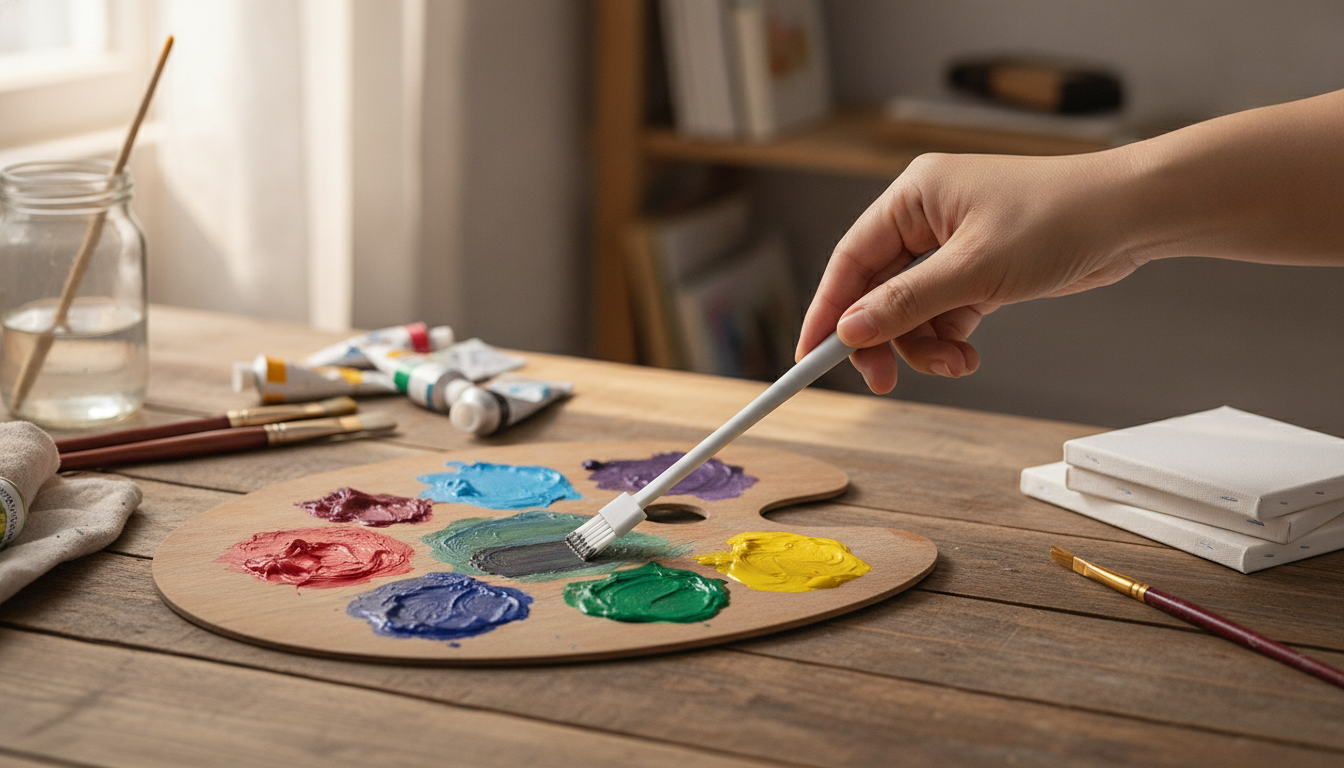
Disposable Brush Cleaner: Quick, Hygienic Makeup Brush Refresh in Seconds
A disposable brush cleaner makes it easy to remove surface pigment, oils, and product buildup between shades—without a sink, drying time, or extra tools. It’s a practical option for everyday routines, travel kits, and on-the-go touchups when brushes need to be refreshed fast and kept more hygienic. For more guidance, see Food Code Rules in Brief: Nail Brushes Out, Hand Dryers In.
What a disposable brush cleaner is used for
Whether you’re building a soft neutral eye or packing on bold color, brush residue adds up quickly. A disposable brush cleaner is designed for quick, between-step maintenance so brushes can keep performing without constant trips to the sink. For further reading, see Wall-Mounted Disposable Toilet Brush Kit With 36 Refill ….
- Removes powder and cream residue from makeup brushes between colors
- Helps reduce muddy blending by lifting leftover pigment
- Keeps brushes feeling softer and less coated during repeated use
- Useful for quick touchups, travel, and small spaces where washing isn’t convenient
- Best for in-the-moment refreshes; deep washing is still needed periodically
When to use it (and when not to)
Disposable cleaners shine in the moments when you want clean color payoff right now—especially for eye looks where transitions matter. They’re also helpful in shared environments where you want to refresh tools more frequently during a session.
- Use between eyeshadow shades to keep transitions clean and avoid color transfer
- Use during client work or shared settings to refresh brushes more frequently
- Use when switching from shimmer to matte (or vice versa) to maintain finish
- Avoid relying on it as the only cleaning method if brushes are oily, heavily packed, or used with long-wear creams
- Avoid using with soaking motions; disposable options are meant for quick wipe/refresh contact
If a brush starts applying product patchily, feels sticky, or looks clumped near the base of the bristles, that’s usually a sign it needs a true wash rather than a quick refresh.
How to use a disposable brush cleaner effectively
The goal is controlled contact: enough friction to release pigment, but not so much that you stress the bristles or loosen the shape.
- Start with a dry brush and gently swipe or swirl on the cleaner surface until pigment releases.
- Check bristles by lightly tapping on a tissue; repeat if color still transfers.
- For denser brushes, use short, controlled strokes rather than aggressive scrubbing.
- Finish by reshaping bristles with fingers to maintain brush form.
- Follow up with a full wash and complete dry time on a regular schedule based on usage.
Tip for eyeshadow blending brushes: a few quick swirls often removes enough surface pigment to keep the next transition clean, even if the brush isn’t “perfectly” colorless.
Disposable refresh vs. deep cleaning
Quick refresh tools are ideal for keeping momentum while doing makeup. Deep cleaning is what protects hygiene, performance, and brush longevity over time—especially for anything creamy that can migrate toward the ferrule (the metal part).
- Disposable refresh targets visible residue and surface buildup for immediate reuse
- Deep cleaning (soap/cleanser + water) removes oils, bacteria, and product trapped near the ferrule
- Deep cleaning helps extend brush lifespan and prevents stiffness over time
- A practical routine: quick refresh during use, deep clean weekly (or more often for liquids/creams)
Quick comparison: refresh vs. wash
| Method | Best for | Time | Drying needed | Limits |
|---|---|---|---|---|
| Disposable brush cleaner | Switching shades, quick touchups | Seconds | No | Not a substitute for washing oils and heavy creams |
| Soap/brush shampoo + water | Full hygiene and deep residue removal | Minutes | Yes | Needs sink, drying space, and time |
| Brush spray (alcohol-based) | Fast sanitizing for some brushes | Seconds | Usually minimal | May dry bristles; not ideal for all brush types |
Brush types that benefit most
Any brush can pick up residue, but some styles benefit more because they switch products often or rely on soft, even diffusion.
- Eye brushes (blenders, shader brushes) that switch shades frequently
- Smaller face brushes used for spot bronzing, contouring, or highlight
- Natural hair brushes that can get weighed down by repeated powder pickup
- Synthetic brushes used with creams can be refreshed, but they still need more frequent deep cleaning
Hygiene and safety notes
A quick refresh supports cleaner application, but good hygiene still depends on how tools are stored, shared, and maintained.
For general guidance on safe makeup practices and brush cleaning routines, consult resources like the American Academy of Dermatology Association and the U.S. Food & Drug Administration cosmetics safety page.
Product spotlight: Disposable Brush Cleaner
If the goal is faster shade changes with less leftover pigment, Disposable Brush Cleaner is built for quick contact cleaning without water. It’s an easy add-on for daily makeup, travel, or keeping in a small kit where a full wash isn’t practical.
Pairing ideas for a streamlined kit
For a well-rounded set that’s especially useful for frequent powder work, consider pairing your refresher with the 28-Piece Natural Hair Makeup Brush Set, then rotate brushes so favorites get time to rest between washes.
FAQ
Does a disposable brush cleaner replace washing makeup brushes?
No. A disposable cleaner is best for quick between-shade refreshes, while regular washing is still needed to remove oils and deeper buildup—especially if you use creams or liquids.
Can it be used on natural hair and synthetic brushes?
Generally, yes. Use gentle pressure on both types; dense synthetic brushes may need a few extra passes, and all brushes still benefit from periodic deep cleaning.
How often should brushes be deep cleaned if a disposable cleaner is used daily?
For frequent use, deep cleaning about weekly is a practical baseline, and more often if you use creams or liquids. If brushes feel stiff, smell off, or start applying patchily, it’s time for a full wash sooner.













Leave a comment