-
Shop
- Adidas
- Advanced Technologies
- AI Skills Mastery 2026 Collection
- Apple Accessories
- Best-Sellers
- Car Accessories
- Dating & Social Confidence
- Dating & Social Skills
- Digital Resources
- Education & Learning
- Family & Parenting
- Fashion
- Fashion Accessories
- Furniture
- Gadgets
- Health & Beauty
- Health & Wellness
- Home & Garden
- Home Supplies
- Kids & Babies
- Kitchen Best-Sellers
- Lighting
- Nike
- Patio, Lawn & Garden
- Personal Growth
- Pet Care
- Pet Supplies
- Pets
- Shoes
- Sport & Outdoors
- Stress Relief & Relaxation
- Summer 2025 Fashion Collection
- Sunglasses
- Super Deals
- Travel
- Travel & Outdoors
- Wealth
- Wealth Building
- Women’s Wellness & Lifestyle
- Popular
- Best deals
Durable Nylon Backpack for Boys: Comfort, Fit, Toughness
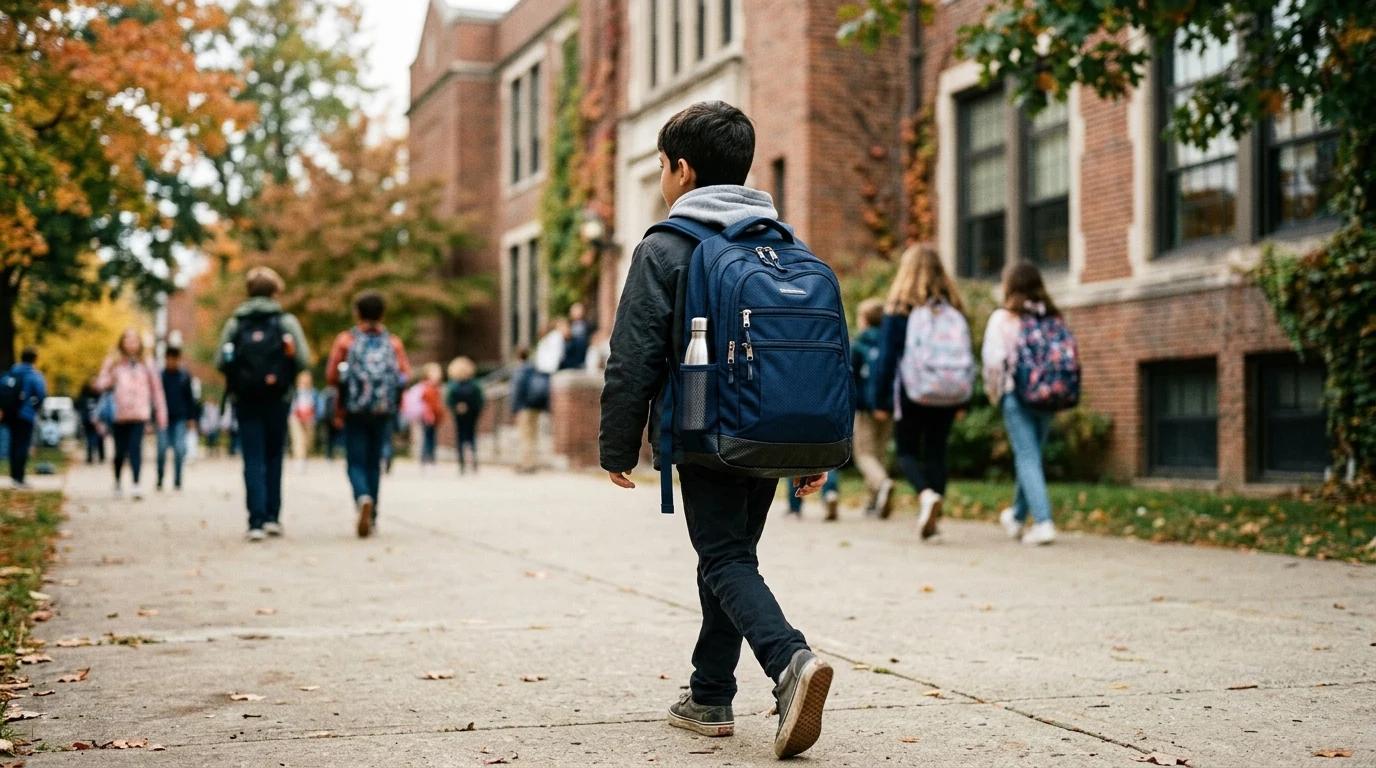
Durable Nylon Backpack for Boys for School, Sports, and Everyday Carry
A boys’ backpack gets dragged through hallways, tossed in lockers, and packed with heavy books, sports gear, and snacks. Nylon is a practical choice for day-to-day toughness, but details like stitching, zippers, strap padding, and pocket layout make the difference between a bag that lasts the school year and one that quits early. This guide breaks down what to look for and how to get a comfortable, organized fit—then highlights an in-stock option. For more guidance, see It’s Back-to-School Time: Best Backpacks for School.
What Makes a Nylon Backpack Truly Durable
“Nylon” on a label doesn’t automatically mean “built to last.” Durability comes from how the fabric is made and how the backpack is assembled. For further reading, see School backpacks 101: Tips from a chiropractor – MultiCare.
- Fabric density and weave: Thicker, tightly woven nylon tends to resist abrasion better than thin, smooth fabric. If it feels papery or overly slick, it may scuff and snag faster.
- Reinforced seams: Look for clean, dense stitching and reinforcement at stress points like strap anchors, the top handle base, and zipper ends. These are the spots that rip first when the load gets heavy.
- Zippers and pulls: Sturdier zippers with smooth tracks and easy-grip pulls reduce snags and failures when kids open and close compartments dozens of times a day.
- Base protection: A strengthened bottom panel matters because backpacks spend a lot of time on rough ground, bus floors, and gym bleachers.
- Lining and edge binding: Interior lining and bound seams help prevent fraying and keep the bag from “blowing out” when a corner catches on a locker edge.
If possible, do a quick “tug test” at the strap attachments and handle: a quality bag will feel secure and structured rather than stretchy or loose.
Comfort and Fit for Growing Kids
A durable backpack still needs to feel good on the walk to school and between classes. Comfort isn’t just padding—it’s also how the bag sits on the back and how stable it feels when moving.
- Padded shoulder straps: Padding reduces pressure points, especially when carrying textbooks, a lunch bag, or a laptop/tablet.
- Adjustability matters: Straps should tighten enough to keep the bag close to the back without sagging. A bag that hangs low increases strain and bumps into hips.
- Back panel padding: A padded back panel improves comfort and reduces the feeling of hard items poking through (like binder rings or calculator corners).
- Top handle quality: Kids grab and hang backpacks constantly. A strong, well-stitched handle helps prevent ripping at the seam.
- Balanced carry: Encourage wearing both straps. One-strap carrying can twist posture and make even a lighter load feel heavier.
For backpack safety guidance, the CDC’s recommendations are a helpful reference for families and schools: CDC: Backpack Safety.
Storage That Keeps Mornings Moving
Organization is a durability feature, too. When kids can find what they need quickly, they’re less likely to yank on zippers, overstuff random pockets, or cram items in at bad angles.
Quick Comparison: Features to Check Before Buying
| Feature | What to look for | Why it matters |
|---|---|---|
| Nylon fabric | Tightly woven, abrasion-resistant feel | Holds up to scuffs, floor contact, and daily wear |
| Seams & stitching | Even stitching; reinforced strap anchors | Prevents tearing where the load is highest |
| Zippers | Smooth glide; sturdy pulls; protected ends | Reduces snags and zipper blowouts |
| Straps | Padding + easy adjustment | Improves comfort and keeps load stable |
| Back panel | Padding and structure | Comfort and better load distribution |
| Bottom panel | Reinforcement or thicker material | Extends life when set down repeatedly |
| Pocket layout | Main space + a few easy-access pockets | Faster packing and fewer lost items |
Product Spotlight: Durable Nylon Backpack for Boys
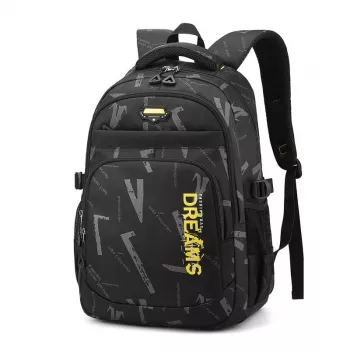
If you want a straightforward option centered on nylon durability for daily routines, take a look at the Durable Nylon Backpack for Boys. It’s designed for everyday school use with tough material in mind—ideal for the kind of regular wear that happens between classrooms, buses, and after-school activities.
Optional School-Ready Add-On
For families building a back-to-school setup beyond the backpack, supportive everyday footwear can matter on long school days. If you’re also shopping for a durable, polished shoe option, consider the Tommy Hilfiger Black Leather Men’s Shoes.
Care Tips That Extend Backpack Life
FAQ
How heavy should a child’s backpack be?
A common guideline is to keep the loaded backpack around 10% to 15% of a child’s body weight, but comfort matters most. If the pack pulls the child backward, causes shoulder marks, or changes posture, reduce the load and redistribute heavier items closer to the back.
Is nylon a good material for a school backpack?
Yes—nylon is popular for school backpacks because it’s lightweight and naturally abrasion-resistant. Overall durability still depends on fabric thickness, reinforced stitching, and zipper quality, and basic care (like not overloading) helps it last longer.
How should a backpack fit a boy for daily school use?
The backpack should sit close to the back with snug (not tight) straps, and it’s best worn with both shoulder straps for balance. Place heavier items near the back panel and keep the bag from hanging too low to reduce strain.
Recommended for you
U.S. Polo Assn. Men’s Round Neck Knit: Fit & Styling
Sep 28, 2026
Where to Find Heart-Shaped Plates for Every Occasion
Sep 28, 2026











Leave a comment