-
Shop
- Adidas
- Advanced Technologies
- AI Skills Mastery 2026 Collection
- Apple Accessories
- Best-Sellers
- Car Accessories
- Dating & Social Confidence
- Dating & Social Skills
- Digital Resources
- Education & Learning
- Family & Parenting
- Fashion
- Fashion Accessories
- Furniture
- Gadgets
- Health & Beauty
- Health & Wellness
- Home & Garden
- Home Supplies
- Kids & Babies
- Kitchen Best-Sellers
- Lighting
- Nike
- Patio, Lawn & Garden
- Personal Growth
- Pet Care
- Pet Supplies
- Pets
- Shoes
- Sport & Outdoors
- Stress Relief & Relaxation
- Summer 2025 Fashion Collection
- Sunglasses
- Super Deals
- Travel
- Travel & Outdoors
- Wealth
- Wealth Building
- Women’s Wellness & Lifestyle
- Popular
- Best deals
Expecting a Baby? Build a First-Year Budget That Works
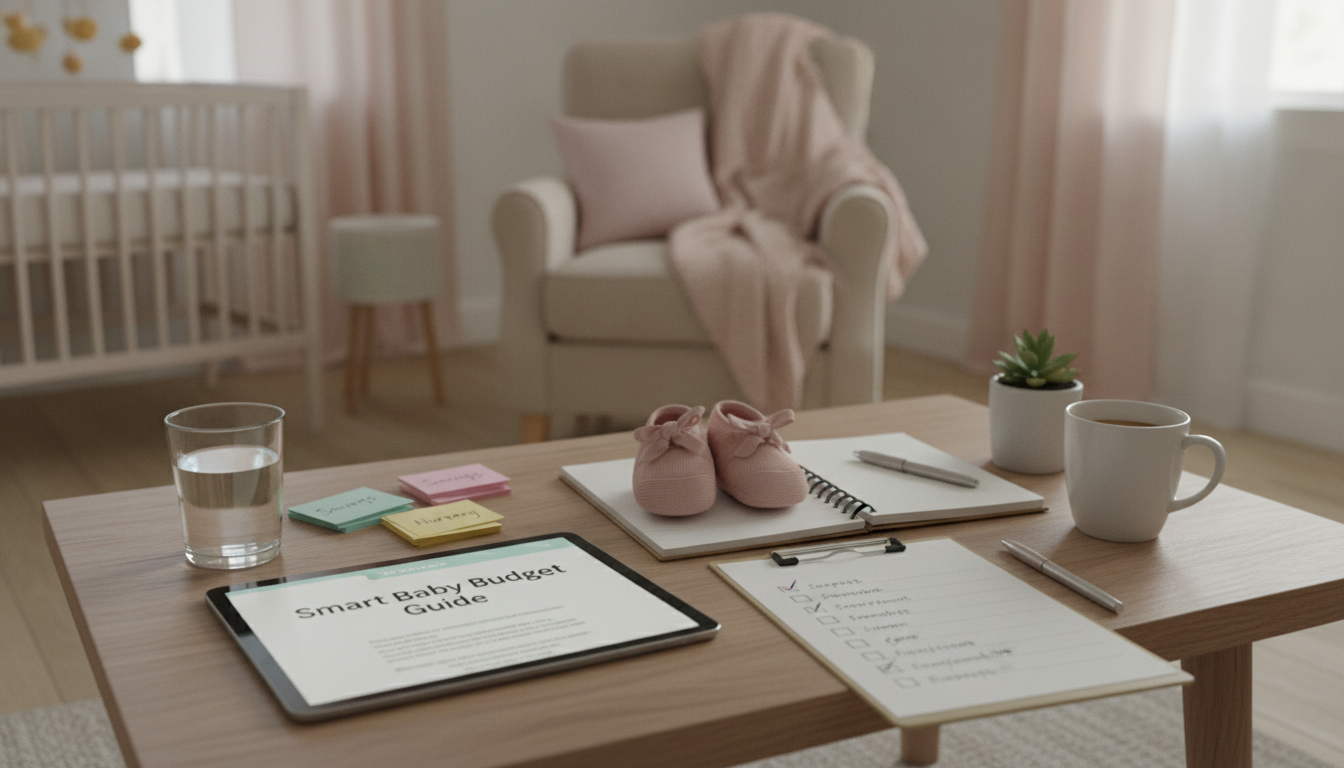
Baby on Board, Budget in Check: A Smart Guide to Financial Planning for Expecting Parents
A new baby brings joy, decisions, and a wave of new expenses—some one-time, some ongoing, and many easy to underestimate. The Baby on Board, Budget in Check digital download guide, eBook & checklist helps expecting parents map out costs, prioritize essentials, and set up a practical plan for the first year—so money decisions feel calmer and more intentional.
What changes financially during pregnancy and the first year
Baby-related spending tends to arrive in phases, which is why it can feel confusing even for organized households. Early costs often cluster around prenatal care and planning, then spike around delivery and postpartum recovery, and later settle into ongoing monthly needs.
- Expenses arrive in phases: pregnancy care, delivery/postpartum, newborn setup, and monthly ongoing costs.
- Income can shift at the same time: parental leave, reduced hours, or a change in childcare needs—so budgeting should include both costs and cash-flow timing.
- Most common money stressors: surprise medical bills, underestimated childcare costs, and not knowing what gear is truly necessary.
A quick-start plan for the next 30 days
If you’re not ready for a full spreadsheet overhaul, start with a short, focused sprint. The goal is to reduce uncertainty quickly—especially around medical coverage, leave pay, and childcare timing.
- Create a shared “baby budget snapshot”: current monthly income, fixed bills, minimum debt payments, and average variable spending.
- Pick a target monthly baby cushion (even a small amount) and automate it into a separate savings bucket.
- List the three biggest variables to research now: health insurance coverage, parental leave pay, and childcare timeline/costs.
- Set a simple rule for new purchases: essentials first, then wait 7 days before buying nice-to-haves.
For budgeting basics and a simple framework, the Consumer Financial Protection Bureau has a helpful overview of money management tools and habits: CFPB – Budgeting and money management.
Typical baby-related costs to plan for (and how to avoid overspending)
It’s easier to stay on budget when you separate “must-pay” expenses (like medical bills and childcare deposits) from “you control the dial” expenses (like gear upgrades and trendy extras).
- Medical: prenatal visits, labs/ultrasounds, delivery facility fees, pediatric appointments; confirm deductible, coinsurance, and out-of-pocket maximum.
- Home & gear: sleep setup, diapering, feeding, and safe transport; prioritize safety and functionality over upgrades.
- Recurring monthly: diapers/wipes, formula (if used), clothing replacements, childcare, insurance premium changes.
- One-time paperwork costs: birth certificate copies, name change needs, potential legal consultations (situational).
- Cost reducers: buy secondhand for non-safety items, accept hand-me-downs, use community swaps, and keep the registry tightly curated.
A practical shopping tip: decide ahead of time which categories you’ll buy new (typically safety-related) and where you’re comfortable buying secondhand. That single decision can prevent “panic purchases” when you’re tired and just want to be done.
Sample monthly budget categories for a new baby
| Category | What it covers | Notes to customize |
|---|---|---|
| Diapers & wipes | Disposable diapers, wipes, diaper cream | Cloth diapering changes costs and laundry needs |
| Feeding | Formula or breastfeeding supplies, bottles, pump parts | Formula costs vary widely; check subscription/warehouse pricing |
| Clothing | Basics, seasonal layers, replacement sizes | Plan for growth spurts; buy used for short-wear sizes |
| Medical | Copays, prescriptions, postpartum care | Match to deductible/out-of-pocket maximum timing |
| Childcare | Daycare, nanny share, babysitting | Often the largest line item; waitlists require early planning |
| Insurance & benefits | Premium changes, adding baby to plan | Confirm special enrollment window and documentation needed |
| Baby savings buffer | Unexpected expenses fund | Aim for consistency over size at first |
Insurance, benefits, and leave: the money details that matter most
For enrollment timing details, review: Healthcare.gov – Special Enrollment Periods.
Building a realistic plan: budget, sinking funds, and an emergency buffer
If you expect to qualify, it’s also worth knowing the basics of the Child Tax Credit so you can plan your withholding and cash flow: IRS – Child Tax Credit information.
Smart registry and shopping rules that reduce waste
For at-home comfort during long feeding sessions or contact naps, some families also plan for a supportive seating upgrade. If that’s on your list, consider a modular option like the Cloud Modular Sectional Sofa with Deep Seats and Storage Ottomans—and treat it as a planned purchase rather than an impulse buy.
How the digital guide and checklist helps
The Baby on Board, Budget in Check digital download guide, eBook & checklist is built for real-life decision fatigue. It keeps you moving without requiring complicated tools.
If you’re carving out a small self-care budget for postpartum (even $10–$20/month can help), a time-saving tool like the 6-in-1 Hair Dryer Brush & Curling Iron Set – Ionic Hot Air Styler for All Hair Types can be a practical “nice-to-have” once essentials and buffers are covered.
Download and use it effectively
FAQ
How much should be saved before the baby arrives?
Start with a small buffer for immediate needs (even a few hundred dollars), then build toward covering your insurance out-of-pocket maximum and one-time essentials. After that, work toward a larger emergency fund over time based on your monthly essentials.
What are the biggest expenses to plan for in the first year?
Childcare (if needed), medical costs tied to your insurance plan, and feeding are often the biggest. Gear spending is usually the most controllable if you focus on essentials and buy secondhand where it’s safe.
Is it better to buy baby items new or secondhand?
Buy safety-critical items like car seats new (or only used with a fully known history and verified recall status). Many other items—clothes, swings, and some furniture—can be purchased secondhand if they’re clean, complete, and in good condition.
Recommended for you



High-Waist Yoga Cycling Shorts: Fit, Comfort & Care
Jun 16, 2026













Leave a comment