-
Shop
- Adidas
- Advanced Technologies
- AI Skills Mastery 2026 Collection
- Apple Accessories
- Best-Sellers
- Car Accessories
- Dating & Social Confidence
- Dating & Social Skills
- Digital Resources
- Education & Learning
- Family & Parenting
- Fashion
- Fashion Accessories
- Furniture
- Gadgets
- Health & Beauty
- Health & Wellness
- Home & Garden
- Home Supplies
- Kids & Babies
- Kitchen Best-Sellers
- Lighting
- Nike
- Patio, Lawn & Garden
- Personal Growth
- Pet Care
- Pet Supplies
- Pets
- Shoes
- Sport & Outdoors
- Stress Relief & Relaxation
- Summer 2025 Fashion Collection
- Sunglasses
- Super Deals
- Travel
- Travel & Outdoors
- Wealth
- Wealth Building
- Women’s Wellness & Lifestyle
- Popular
- Best deals
Ford Focus/Fiesta/Escape Headrest Cushion: Fit & Tips
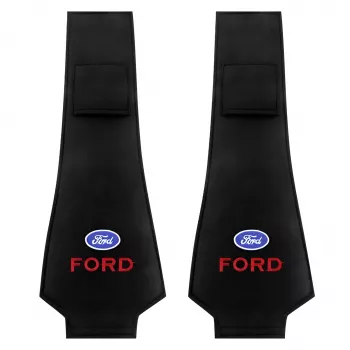
Why Add a Headrest Cushion in a Ford Focus, Fiesta, or Escape?
Long commutes, stop-and-go traffic, and short trips with frequent braking can leave the neck and upper back feeling tight—especially when the factory head restraint sits a little too far back or too high for your driving posture. A dedicated headrest cushion adds a softer contact point behind your head and encourages a more neutral position, which can help reduce end-of-day fatigue in many Ford Focus, Fiesta, and Escape setups.
Think of it as a small comfort upgrade: it doesn’t change the seat design, but it can make the “resting point” for your head feel more supportive and less abrupt than the stock surface alone.
What a Headrest Cushion Does (and What It Doesn’t)
- Adds a padded surface behind the head to reduce pressure points and help maintain a comfortable head position on longer drives.
- Helps fill the gap that can occur between the head and the factory head restraint, especially for drivers who sit more upright.
- Can improve comfort during braking/acceleration by limiting small, repetitive head movements that contribute to neck strain.
- Does not replace the vehicle’s head restraint or safety systems; the factory head restraint should remain installed and properly adjusted.
For safety background, it’s worth reviewing guidance on proper head restraint positioning from NHTSA and how head restraints and seats are evaluated by the IIHS.
Fit Notes for Ford Focus, Fiesta, and Escape
Most headrest cushions attach with a strap that routes around the head restraint posts or the head restraint frame. Before buying or installing, confirm your seat design supports a stable strap route.
- Confirm the seat has a standard head restraint with posts that allow a cushion strap to wrap securely without slipping.
- Aim for a position where the cushion contacts the back of the head (not the neck) when seated normally.
- If multiple drivers share the car, choose a setup that can be repositioned quickly without tools.
- Check for interference with seat functions (height adjustment, tilt, folding rear seats) after installation.
Quick fit-and-position checklist
| Check | What to look for | Why it matters |
|---|---|---|
| Head restraint height | Top of head restraint near the top of the head | Supports safer, more comfortable head alignment |
| Distance to head | Small gap or light contact when seated normally | Reduces neck fatigue without pushing the head forward |
| Strap routing | Strap sits flat and tight, not twisted | Prevents sliding and keeps support consistent |
| Seat movement clearance | No rubbing on trim or catching on levers | Avoids wear and keeps adjustments smooth |
Comfort and Material Considerations
- Look for cushioning that feels supportive rather than overly soft; too much softness can let the head sink and strain the neck.
- Breathable covers can reduce heat buildup during summer driving or in vehicles with leather or vinyl seating surfaces.
- A removable, wipeable surface helps keep the cushion clean (makeup, hair products, sweat, and dust build up quickly at head level).
- Neutral styling and color options can help the cushion blend with Ford interiors without drawing attention.
If your neck tends to feel “pulled forward” after installing a cushion, that usually means it’s either too thick for your posture or positioned too low. Small adjustments can change how your head stacks over your shoulders while driving.
Installing It in Minutes
- Raise the head restraint slightly if needed to route the strap cleanly behind it, then return the head restraint to a proper height.
- Center the cushion so it supports the back of the head when looking straight ahead; avoid positioning it low on the neck.
- Tighten the strap gradually and test by leaning back normally; it should stay in place without wobbling.
- After installation, re-check that the head restraint still locks securely and can be adjusted as intended.
Once installed, do a quick “real-world” test: drive a few minutes, brake normally a couple of times, and notice whether your head returns to a comfortable resting point without feeling forced forward.
Everyday Use Tips for Better Neck Comfort
- Start with the seatback reasonably upright; excessive recline increases the gap to the head restraint and strains the neck.
- Adjust the cushion so the head rests naturally without being pushed forward; small changes (about 1–2 cm) can make a big difference.
- For taller drivers, prioritize height first (head restraint up), then fine-tune forward contact with the cushion position.
- On long trips, take short breaks to reset posture—support works best when combined with regular movement.
Product Options (In Stock)
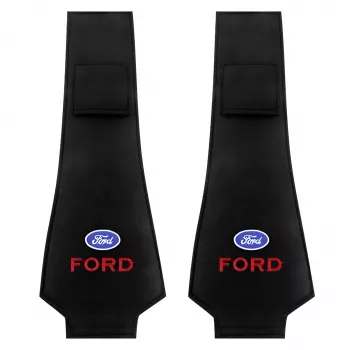
- Auto Seat Headrest Cushion for Ford Focus, Fiesta, Escape — a straightforward add-on intended to improve head support and reduce pressure behind the head during routine driving.
- Infrared Sauna for One Person — a recovery-focused option for relaxing after long commutes or road trips.
- Crime London Men’s White Leather Shoes — supportive everyday footwear can make stop-and-go days and walking between parking and work feel less taxing.
At-a-glance details
| Item | Price | Availability |
|---|---|---|
| Auto Seat Headrest Cushion for Ford Focus, Fiesta, Escape | 18.49 USD | In stock |
Safety Checks to Keep in Mind
FAQ
Where should a headrest cushion sit for the best comfort?
Position it so it contacts the back of the head (the occipital area) when seated normally, not low on the neck. Adjust the factory head restraint height first, then center and tighten the cushion so it stays put.
Can a headrest cushion be used with the factory head restraint?
Yes—keep the factory head restraint installed and properly adjusted. The cushion is an add-on for comfort and should not block the head restraint’s locking or adjustment.
Will a headrest cushion fit most Ford Focus, Fiesta, and Escape seats?
It typically fits seats with standard head restraint posts and enough clearance for a strap. Confirm the strap can route cleanly and that seat and head restraint adjustments still work after installation.













Leave a comment