-
Shop
- Adidas
- Advanced Technologies
- AI Skills Mastery 2026 Collection
- Apple Accessories
- Best-Sellers
- Car Accessories
- Dating & Social Confidence
- Dating & Social Skills
- Digital Resources
- Education & Learning
- Family & Parenting
- Fashion
- Fashion Accessories
- Furniture
- Gadgets
- Health & Beauty
- Health & Wellness
- Home & Garden
- Home Supplies
- Kids & Babies
- Kitchen Best-Sellers
- Lighting
- Nike
- Patio, Lawn & Garden
- Personal Growth
- Pet Care
- Pet Supplies
- Pets
- Shoes
- Sport & Outdoors
- Stress Relief & Relaxation
- Summer 2025 Fashion Collection
- Sunglasses
- Super Deals
- Travel
- Travel & Outdoors
- Wealth
- Wealth Building
- Women’s Wellness & Lifestyle
- Popular
- Best deals
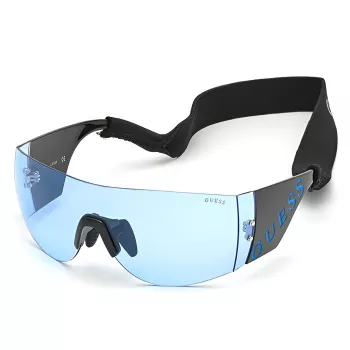
Guess Women’s Black Sunglasses: Blue Lens Style & Fit

Guess Women’s Black Sunglasses with Blue Lenses
A sleek black frame paired with blue lenses delivers a modern look while helping manage bright conditions during everyday wear. The combination reads polished and confident without feeling overly formal, making it easy to rotate into weekday commutes, travel days, and weekend errands. Below, you’ll find practical notes on design, lens feel, comfort checks, UV basics, care, and outfit ideas that make blue-tinted lenses look intentional rather than accidental.
At a Glance: Design and Everyday Appeal
Black frames are a reliable staple because they work with almost any color palette. Adding blue lenses shifts the vibe from classic to contemporary, giving the face a cool-toned accent that stands out in photos and in daylight.
- Black frame creates a versatile base that pairs easily with casual, work, and weekend outfits.
- Blue lenses add a bold accent and a cooler visual tone for sunny days.
- A strong option for commuters, travel days, outdoor cafés, and walking around town.
- The contrast of a dark frame plus a colored lens works well with both minimal and statement wardrobes.
Key Specs Snapshot
Use this quick reference when comparing price, stock, and basic product details before choosing a lens color or frame style. Availability can change quickly; confirm details on the product page before purchasing.
| Item | Frame color | Lens color | Price | Availability |
|---|---|---|---|---|
| Guess Women’s Black Sunglasses with Blue Lenses | Black | Blue | 109.34 USD | In stock |
What Blue Lenses Feel Like Outdoors
Blue-tinted lenses can be as much about mood as function. They often make the world look slightly cooler and cleaner—great for a crisp, modern aesthetic—yet they can also shift how you perceive certain colors.
- Blue-tinted lenses can shift the scene toward cooler tones, which some wearers find crisp and modern-looking.
- Lens tint changes color perception; consider this if accurate color matching matters (shopping, driving in unfamiliar areas, or photography).
- For long days outside, prioritize clear visibility and comfort over purely aesthetic tint.
- If eyes feel strained or visibility feels too dim, choose a tint better suited to typical light conditions.
Practical tip: try them in the lighting you actually live in—bright midday sun, late afternoon glare, or shifting shade on city streets—so you can tell whether the tint feels energizing or distracting.
Comfort and Fit Checks That Matter
The most stylish sunglasses still won’t get worn if they slide down or pinch. A quick fit audit can save you from “looks great, never use them” regret.
- Bridge fit: sunglasses should sit securely without pinching or leaving deep marks.
- Temple fit: arms should feel stable without squeezing; slipping often means the fit is too wide or the arms need adjustment.
- Coverage: larger coverage can help reduce stray light from above and sides.
- Movement test: nod, look down, and turn the head—frames should stay put during normal activity.
If your frames feel slightly off, a quick adjustment at an optical shop can often improve comfort and alignment—especially if one temple sits tighter than the other.
Lens Protection and UV Basics
Lens color and darkness can be misleading: UV safety depends on the lens’ UV-blocking treatment and labeling, not whether the tint looks deep or dramatic. Look for clear confirmation of protection on packaging or the product page, such as UV400 or “100% UVA/UVB protection.” For a deeper overview of UV labeling and what it means, see the American Academy of Ophthalmology’s guidance on sunglasses and UV protection and the CDC’s sun safety recommendations.
- Look for clear confirmation of UV protection (for example, UV400 or “100% UVA/UVB protection”).
- Darker lenses are not automatically safer—UV protection depends on lens treatment, not tint darkness.
- For driving, ensure visibility feels comfortable and not overly dark in changing light.
- If glare is a recurring issue near water, snow, or reflective streets, consider whether polarization is needed for future pairs.
Styling Ideas for Black Frames and Blue Lenses
Black frames keep the look grounded, while blue lenses do the “styling work” by adding color at eye level. This can make simple outfits feel intentional with almost no effort.
- Monochrome base: black/white/gray outfits let the blue lens tint become the focal point.
- Denim-ready: denim-on-denim or denim with a white tee pairs naturally with blue lenses for a clean daytime look.
- Metal mixing: gold or silver jewelry both work with black frames; choose metal tones based on the rest of the outfit.
- Sharper casual: structured blazer, simple top, straight-leg jeans, and low-profile sneakers or loafers.
To build a polished head-to-toe look, pair your sunglasses with clean essentials like Crime London Men’s White Leather Shoes for a bright, modern contrast, or elevate a “no-makeup makeup” routine with tools like the 28-Piece Natural Hair Makeup Brush Set when you want the rest of your look to match the sunglasses’ sleek finish.
Care, Storage, and Longevity
Blue-tinted lenses look their best when coatings stay clean and clear. Simple habits can reduce micro-scratches and help frames hold their shape longer.
When to Choose a Different Pair
FAQ
Do blue-tinted lenses change how colors look?
Yes. A blue tint can cool the scene and slightly shift color perception, and the effect varies based on tint intensity and lighting.
Are dark or colored lenses automatically UV-protective?
No. UV protection depends on the lens treatment and labeling (such as UV400 or 100% UVA/UVB protection), not the darkness or the color of the tint.
How should sunglasses be cleaned to avoid scratches?
Rinse first to remove dust or grit, then use a lens-safe cleaner and a microfiber cloth. Store them in a protective case to prevent contact with hard objects.
Recommended for you
Are Dolce & Gabbana Still a Couple Today?
Aug 14, 2026










Leave a comment