-
Shop
- Adidas
- Advanced Technologies
- AI Skills Mastery 2026 Collection
- Apple Accessories
- Best-Sellers
- Car Accessories
- Dating & Social Confidence
- Dating & Social Skills
- Digital Resources
- Education & Learning
- Family & Parenting
- Fashion
- Fashion Accessories
- Furniture
- Gadgets
- Health & Beauty
- Health & Wellness
- Home & Garden
- Home Supplies
- Kids & Babies
- Kitchen Best-Sellers
- Lighting
- Nike
- Patio, Lawn & Garden
- Personal Growth
- Pet Care
- Pet Supplies
- Pets
- Shoes
- Sport & Outdoors
- Stress Relief & Relaxation
- Summer 2025 Fashion Collection
- Sunglasses
- Super Deals
- Travel
- Travel & Outdoors
- Wealth
- Wealth Building
- Women’s Wellness & Lifestyle
- Popular
- Best deals
Leather Small Dog Car Carrier Fit Guide: Toyota, Ford, BMW
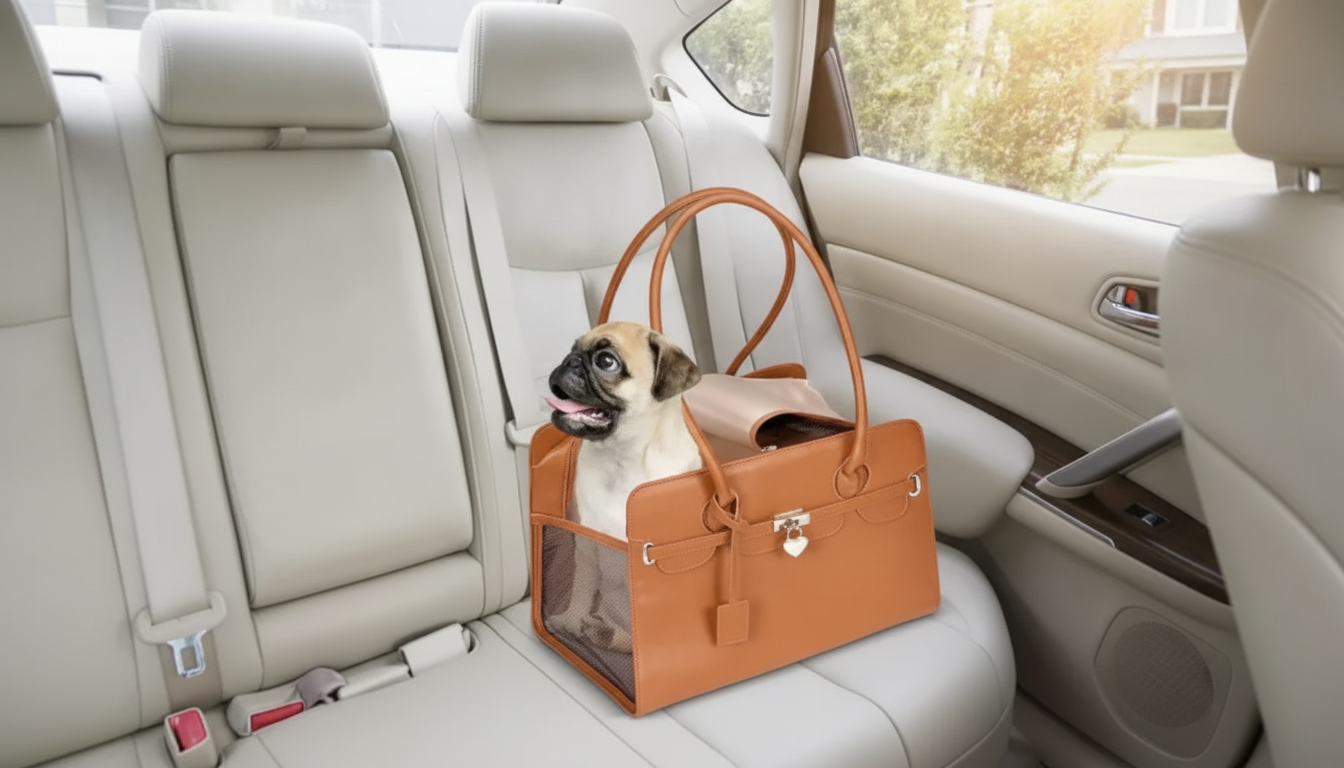
Fashion Leather Pet Carrier for Small Dogs for Toyota, Ford, and BMW
A secure, comfortable ride for a small dog starts with a carrier that stays stable on the seat, supports good airflow, and feels calm and familiar for the pet. This fashion leather carrier is designed for everyday errands and longer drives, with a structured shape that helps a small dog sit or lie down while keeping the interior tidy and easy to maintain. The guidance below covers fit in common vehicle setups, safety-minded use, sizing considerations, and care tips to keep the carrier looking sharp over time. For more guidance, see 2015 Carrier Study Results.
Quick overview
- Purpose: a structured, stylish carrier for small dogs that can be used on car seats and carried by hand.
- Best for: toy and small-breed dogs needing a defined space during drives, vet visits, and short trips.
- Why vehicle compatibility matters: seat shape, belt routing, and footwell clearance can change across Toyota, Ford, and BMW models.
- Key priorities: stability on the seat, ventilation, easy-to-clean interior, and secure closures.
Car use checklist before the first ride
| Check | What to look for | Why it matters |
|---|---|---|
| Seat placement | Rear seat preferred; flat portion of seat cushion | Reduces distraction and improves stability |
| Belt routing | Seat belt can be routed around/through carrier as intended | Helps limit sliding during braking |
| Door access | Carrier opening faces the cabin, not the door | Prevents escape when doors open |
| Ventilation | Air holes/mesh not blocked by seatback or jacket | Supports comfortable breathing and temperature control |
| Harness inside | Short tether point (if present) clips to a harness, not a collar | Reduces risk of neck injury |
| Clearance | Carrier does not interfere with airbags or seat mechanisms | Avoids safety hazards and damaged seats |
What makes a car-friendly leather carrier different
A car-friendly carrier is less about “cute” and more about predictable behavior in motion. A structured, leather-look exterior helps the carrier act like a stable shell rather than a soft tote that collapses into the seat crease. For further reading, see Traveling With Pets? Follow These Expert Dos and Don’ts ….
- Structured walls: help the carrier keep its shape on the seat so the dog isn’t pressed by sagging sides during turns.
- Firm base: can improve stability and reduce rocking over uneven road surfaces.
- Easy-wipe surfaces: helpful for drool, dust, and paw prints after park stops.
- Secure closures: reduce the chance of the top shifting open when the vehicle hits bumps.
- Calm interior: a tidy, not-floppy space can lower stress for dogs that get nervous in the car.
For general guidance on safe pet travel habits, review the American Veterinary Medical Association (AVMA) pet travel safety tips and the ASPCA car travel recommendations.
Fit and placement in Toyota, Ford, and BMW interiors
Even when a carrier is “one size fits small dogs,” the way it sits in a vehicle can vary. Before the first real drive, do a two-minute test: place the carrier on the rear seat, route the seat belt, and press down lightly on the corners to confirm it doesn’t tilt or rock.
- Toyota: many sedans and crossovers have relatively flat rear cushions. Position the carrier so it sits level and doesn’t tip toward the seat crease where the backrest meets the cushion.
- Ford: some models have deeper seat contours. Test the carrier base on the rear seat and shift it slightly toward the center if the outer seat slope makes it lean.
- BMW: firmer bolstering can reduce side-to-side movement, but confirm the carrier doesn’t press into a pronounced bolster that lifts one edge of the base.
- Any brand: avoid front-seat placement where airbags could deploy; the rear seat is the safer default for most setups.
- Center vs. side seat: if the center seat is narrow or raised, a side rear seat often provides a more stable footprint.
- Anchors and buckles: confirm that seat belt buckles and child-seat anchors don’t push into the carrier walls or force it to sit unevenly.
Sizing and comfort for small dogs
Comfort starts with basic measurements and ends with a calm, familiar setup. Measure from nose to base of tail and from floor to shoulder, then choose a carrier that allows turning around and lying down naturally without pressing the head into the top.
Safety-minded setup for everyday drives
Care and maintenance to keep the carrier looking new
Shop related picks in stock
- Fashion Leather Pet Carrier for Small Dogs Suitable for Toyota, Ford, and BMW
- 28-Piece Natural Hair Makeup Brush Set
- Crime London Men’s White Leather Shoes
Who this carrier suits best
FAQ
Can the carrier be placed in the front seat?
Rear-seat placement is recommended for better stability and to reduce airbag-related risk. If the front seat is unavoidable, keep the carrier away from airbag deployment zones and follow your vehicle’s safety guidance for airbag settings where legally and mechanically possible.
Should the internal clip attach to a collar or a harness?
Use a harness, not a collar. In sudden stops, a collar can strain the neck, while a harness distributes force more safely; keep the tether short enough to reduce the chance of jumping out when the carrier is opened.
How can sliding on leather car seats be reduced?
Tighten the seat belt routing and reposition the carrier onto a flatter area of the rear seat so the base sits level. If needed, add a thin non-slip mat under the carrier as long as it doesn’t block ventilation or interfere with how the belt holds the carrier in place.
Recommended for you

Marble Lights: Durability, Safety, and Care Tips
Jul 28, 2026













Leave a comment