-
Shop
- Adidas
- Advanced Technologies
- AI Skills Mastery 2026 Collection
- Apple Accessories
- Best-Sellers
- Car Accessories
- Dating & Social Confidence
- Dating & Social Skills
- Digital Resources
- Education & Learning
- Family & Parenting
- Fashion
- Fashion Accessories
- Furniture
- Gadgets
- Health & Beauty
- Health & Wellness
- Home & Garden
- Home Supplies
- Kids & Babies
- Kitchen Best-Sellers
- Lighting
- Nike
- Patio, Lawn & Garden
- Personal Growth
- Pet Care
- Pet Supplies
- Pets
- Shoes
- Sport & Outdoors
- Stress Relief & Relaxation
- Summer 2025 Fashion Collection
- Sunglasses
- Super Deals
- Travel
- Travel & Outdoors
- Wealth
- Wealth Building
- Women’s Wellness & Lifestyle
- Popular
- Best deals
Luxury Marble Pendant Light Guide: Placement, Size & Bulbs
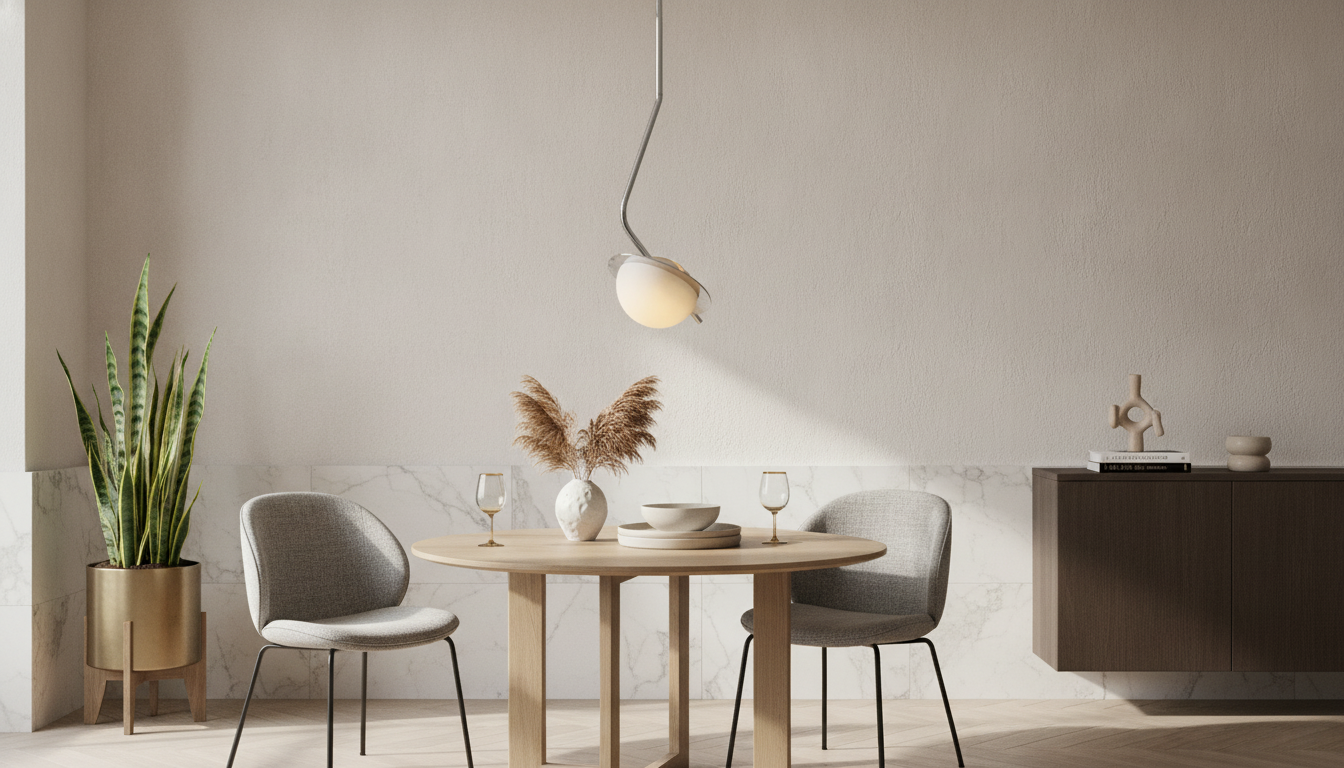
Luxury Marble Pendant Light: A Statement Piece for Modern Interiors
A marble pendant light brings sculptural presence and soft, flattering illumination to a room. Thanks to natural veining and a solid, tactile feel, marble can turn everyday lighting into a focal point—especially over kitchen islands, dining tables, bedside tables, and entryways. The key is choosing the right stone tone, metal finish, scale, and bulb so the fixture feels intentional and stays refined for years.
What Makes Marble Pendant Lighting Feel Elevated
Marble reads as “designed” because it combines natural artistry with architectural weight. Even in minimalist spaces, it adds depth without relying on busy patterns or loud color.
- Natural stone variation: each marble shade or accent has distinct veining and tone, creating a one-of-a-kind finish that looks collected rather than mass-produced.
- Visual balance: marble’s density feels grounded and structural, pairing beautifully with lighter materials like glass, linen, pale woods, and plaster walls.
- Light behavior: depending on the design, marble can soften and diffuse light or frame it with a crisp silhouette for more drama.
- Timeless compatibility: it fits modern, mid-century, Japandi, and classic interiors—especially when the metal finish and bulb warmth are chosen with care.
Where It Works Best: Placement Ideas by Room
Kitchen island
Hang pendants in a row with consistent spacing for a clean rhythm. Choose a size that complements the island length without blocking sightlines across the kitchen.
Dining area
Center the pendant over the table and keep comfortable clearance above diners. Warm bulbs help food, wood tones, and skin tones look natural rather than stark.
Entryway
A single marble pendant creates an immediate “welcome” moment. Adding a dimmer helps it shift from bright, practical light to evening ambiance.
Bedroom
Swap table lamps for a pair of pendants flanking the bed to free up nightstand space and create symmetry. This approach looks especially polished in smaller bedrooms.
Reading nook
A single pendant over a chair or side table defines a quiet zone without adding floor clutter, making it ideal for compact apartments or layered living rooms.
Key Design Choices: Marble Type, Metal Finish, and Shape
- Marble tone: white marble feels airy and bright; darker marbles bring contrast and a moodier, gallery-like look—great with deep paint colors or dark cabinetry.
- Veining level: subtle veining disappears into minimalist palettes; bold veining becomes a centerpiece in calm, neutral rooms.
- Metal pairing: brass and gold tones read warm and classic; black hardware feels modern and graphic; chrome or nickel looks crisp and contemporary.
- Shade geometry: globes and domes soften a room; cylinders and cones feel more architectural; multi-drop clusters look statement-driven and work well in stairwells or tall entryways.
Sizing, Hanging Height, and Spacing Guidelines
Scale is what keeps marble pendants from feeling either too heavy or too timid. Before purchasing, confirm canopy size, cord/rod adjustability, and the total drop range so the fixture can be tuned to your ceiling height.
Quick Placement Reference
| Location | Typical hanging height | Notes |
|---|---|---|
| Dining table | 30–36 in above tabletop | Center on table; use warm dimmable bulbs |
| Kitchen island/counter | 30–36 in above counter | Keep consistent spacing; avoid blocking views |
| Bedside (pair) | 18–24 in above nightstand surface | Match drops for symmetry; consider a dimmer |
| Entryway | Varies by ceiling and traffic | Maintain safe head clearance and balanced scale |
Light Quality: Bulb Type, Color Temperature, and Dimming
- Choose LED for efficiency: LED bulbs are long-lasting and energy-smart. ENERGY STAR-certified options are a reliable benchmark for performance and efficiency. ENERGY STAR light bulb guidance is a helpful starting point.
- Prioritize color rendering: look for LEDs labeled CRI 90+ so marble tones and metal finishes appear accurate instead of dull or greenish.
- Color temperature: 2700K–3000K feels warm and inviting for living/dining/bedrooms; 3500K–4000K can look cleaner and more task-oriented in kitchens, especially with white countertops.
- Dimming flexibility: a dimmer turns one pendant into two moods—bright for tasks, low for ambiance. Confirm LED bulb and switch compatibility to avoid flicker.
- Glare control: if the bulb is visible, choose a frosted bulb or a design that shields the light source for comfortable eye-level views.
For deeper technical lighting guidance, the Illuminating Engineering Society is a widely recognized authority. See the ANSI/IES Lighting Handbook for standards and best practices.
Installation and Care for Marble Fixtures
For stone-specific care basics, the Natural Stone Institute’s care guidance is a practical reference.
A Curated Pick: Luxury Marble Pendant Light
- Luxury Marble Pendant Light is designed to bring natural stone character to kitchens, dining spaces, bedrooms, and entryways.
- It pairs especially well with warm metals, neutral plaster finishes, or dark cabinetry for contrast.
- For layered lighting, combine the pendant with recessed lighting or sconces so the pendant can be dimmed for mood without losing overall brightness.
- Plan placement around true focal points: table centerlines, island work zones, or a defined entry path.
Styling Ideas: Pairings That Make Marble Look Intentional
To ground the space and make the pendant feel part of a complete room, pair it with substantial, comfortable seating like the Cloud Modular Sectional Sofa with Deep Seats and Storage Ottomans, especially in open-plan layouts where the kitchen and living area share sightlines.
FAQ
Is marble lighting hard to maintain?
No—regular dusting and an occasional damp wipe (followed by immediate drying) are usually enough. Avoid acidic or abrasive cleaners, and handle the fixture carefully to prevent chips.
What bulb color looks best with marble pendant lights?
For most rooms, 2700K–3000K creates a warm, inviting glow that flatters marble and skin tones. In kitchens, 3000K–3500K can look balanced; choose CRI 90+ LEDs and confirm dimmer compatibility.
How high should a pendant light hang over a kitchen island?
A common guideline is about 30–36 inches above the counter. Adjust based on ceiling height, pendant size, and whether the fixture interrupts sightlines across the kitchen.
Recommended for you
Cartoon Winter Pet Jumpsuit: Warmth for Small Pets
Jun 22, 2026
Blue Wooden Play Fridge with Ice Dispenser for Kids
Jun 23, 2026








Leave a comment