-
Shop
- Adidas
- Advanced Technologies
- AI Skills Mastery 2026 Collection
- Apple Accessories
- Best-Sellers
- Car Accessories
- Dating & Social Confidence
- Dating & Social Skills
- Digital Resources
- Education & Learning
- Family & Parenting
- Fashion
- Fashion Accessories
- Furniture
- Gadgets
- Health & Beauty
- Health & Wellness
- Home & Garden
- Home Supplies
- Kids & Babies
- Kitchen Best-Sellers
- Lighting
- Nike
- Patio, Lawn & Garden
- Personal Growth
- Pet Care
- Pet Supplies
- Pets
- Shoes
- Sport & Outdoors
- Stress Relief & Relaxation
- Summer 2025 Fashion Collection
- Sunglasses
- Super Deals
- Travel
- Travel & Outdoors
- Wealth
- Wealth Building
- Women’s Wellness & Lifestyle
- Popular
- Best deals
Non-Stick Stainless Steel Rolling Pin Set: Smooth Results
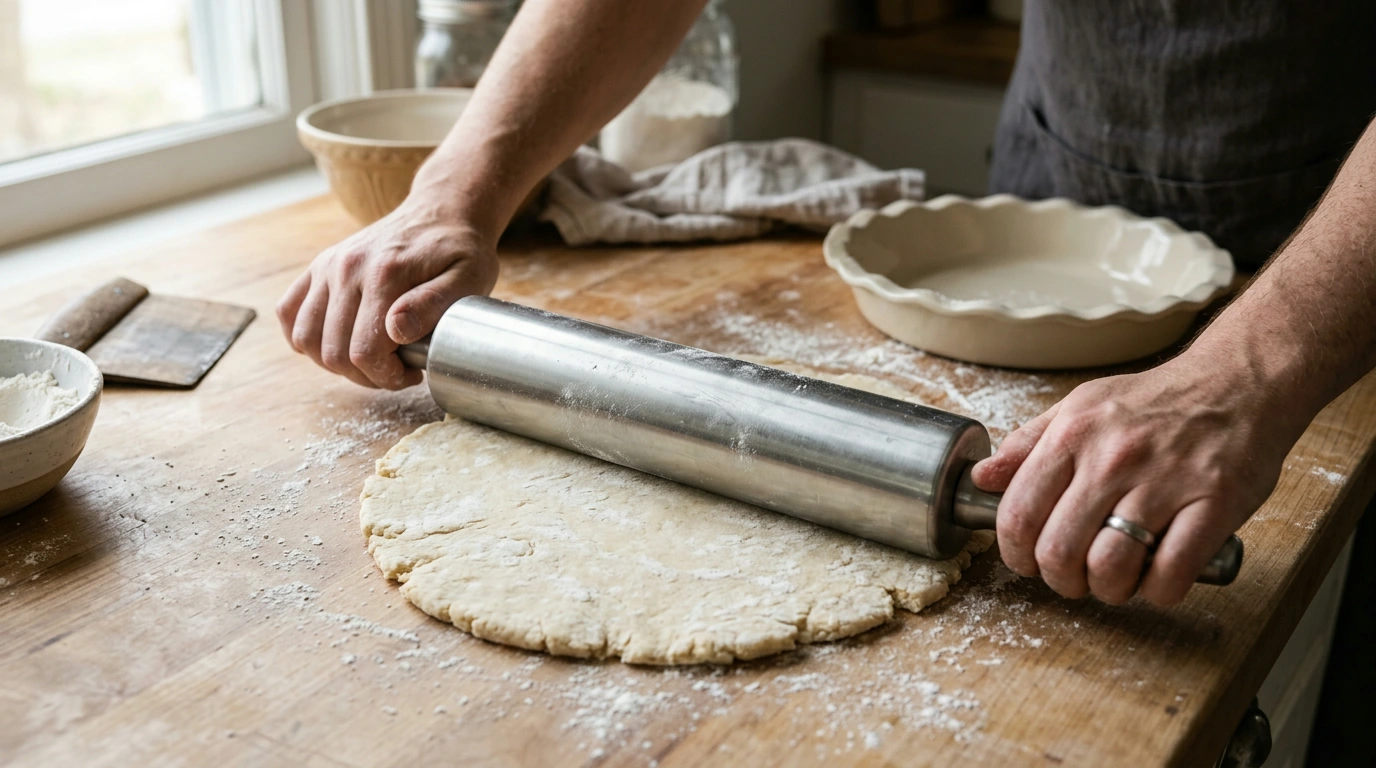
Stainless Steel Non-Stick Rolling Pin Set for Baking & Kitchen Use
A good rolling pin should feel balanced, roll smoothly, and stay easy to clean—especially when working with sticky doughs. A stainless steel, non-stick rolling pin set helps deliver even pressure, consistent thickness, and less mess, whether prepping cookies, pie crusts, pizza dough, or fondant. For busy home kitchens, the biggest advantage is simple: you spend less time fighting dough and more time shaping and baking. For more guidance, see Rolling pin.
What makes a stainless steel rolling pin different
Stainless steel stands out because it’s naturally smooth and low-porosity, which changes how dough behaves on contact. For further reading, see Finish for rolling pin.
- Naturally smooth surface: Helps reduce sticking, so many doughs need less flour (and less extra flour means less risk of drying out delicate recipes).
- Low-porosity material: Steel resists absorbing odors, colors, and moisture compared with porous rolling pins.
- Even rolling pressure: A solid steel body encourages uniform sheets of dough for more consistent bake times and browning.
- Quick chill for pastry: Stainless steel chills fast in the fridge or freezer, which can help keep butter-based doughs stable while rolling.
For food-contact confidence and kitchen hygiene, it also helps that stainless steel is widely used in food equipment. For additional background, see the U.S. FDA overview of Food Contact Substances and NSF’s primer on stainless steel in food equipment.
What’s included and how to use the set
A stainless steel rolling pin set is made for everyday baking and careful, repeatable results. Use it for:
- Cookie dough, pie crusts, pastry, dumpling wrappers, pizza dough, fondant, and gum paste.
- Sticky doughs: Lightly dust the work surface first, then dust the dough only as needed to avoid toughening it.
- Pastry work: Chill the pin 10–15 minutes before rolling to keep butter from warming too quickly.
- Better shape control: Roll from the center outward and rotate the dough a quarter turn between passes.
- More consistent thickness: If your set includes thickness guides or rings, use them for even sheets end-to-end.
For a comfortable workflow, tie hair back and keep your prep area clear—small habits that make rolling, lifting, and turning dough noticeably easier. A simple accessory like the Simple Solid Black Headband for Women & Girls can help keep strands away from flour and butter while you work.
Best baking tasks for a non-stick steel rolling pin
Because stainless steel is smooth and chill-friendly, it’s a natural fit for recipes where temperature and sticking are common problems.
- Pie crust and puff pastry: A cool, smooth pin can help prevent sticking and tearing, especially when rolling between brief chills.
- Cookie dough: Even thickness supports uniform bake times, consistent browning, and less “some are overdone” frustration.
- Fondant and gum paste: Smooth rolling can reduce surface cracking and minimize how much powdered sugar you need.
- Flatbreads and pizza: Helps roll evenly without overworking one spot (which can cause snap-back).
- Dumplings and noodles: Supports thin rolling with fewer snags on delicate dough.
How to get consistent thickness (without guesswork)
Consistency is mostly technique. A few repeatable habits make a big difference, even before you add guides or rings.
- Pre-shape first: Form dough into a rough disk or rectangle before rolling to reduce uneven edges.
- Use steady, moderate pressure: Pressing harder at the ends can create thin edges and a thick center.
- Rotate and lift: Rotate the dough frequently and lift it occasionally to confirm it isn’t sticking underneath.
- Use simple spacers for precision: If you don’t have thickness guides, place two equal-height spacers (like rulers) on either side and roll until the pin rides on them.
- Measure strategically: Check thickness at multiple points when making pie lids, tart shells, or laminated dough pieces.
If dough starts warming or turning shiny with butter, pause and chill it briefly; cold dough is easier to roll cleanly than warm, sticky dough.
Cleaning and care for long-lasting performance
Choosing the right rolling pin material for your kitchen
Rolling pin material comparison
| Material | Sticking tendency | Chill for pastry | Cleaning | Notes |
|---|---|---|---|---|
| Stainless steel | Low | Excellent | Very easy | Non-porous; good for sticky doughs and pastry |
| Wood | Medium | Fair | Moderate | Porous; benefits from proper drying and occasional conditioning |
| Marble/stone | Low | Excellent | Easy | Heavy; can crack if dropped; storage can be awkward |
| Silicone-coated | Low to medium | Good | Easy | Coating can wear; quality varies |
Product pick for everyday baking
Compare related options such as Stainless Steel Non-Stick Rolling Pin Set for Baking & Kitchen Use, and NIALAYA Black Rhodium Ring with Black CZ Crystals to match features, dimensions, and use case before choosing.
FAQ
Does a stainless steel rolling pin need flour to prevent sticking?
Often, it needs less flour than wood because the surface is smoother and non-porous, but dough hydration and temperature still matter. Start with a light dusting on the counter and add more only if you notice sticking; for buttery dough, chilling the dough (and pin) can help even more.
Can a stainless steel rolling pin be chilled for pie crust and pastry?
Yes—stainless steel chills quickly, and a brief 10–15 minute chill can help keep butter from softening too fast while you roll. After chilling, wipe off any condensation so moisture doesn’t make the surface tacky.
How should a stainless steel rolling pin be cleaned?
Wash with warm water and mild dish soap using a non-abrasive sponge, then dry thoroughly. If your set has removable accessories, clean and dry those separately and avoid harsh abrasives that could dull the finish over time.
Recommended for you
Best Makeup Brush Cleaner and Dryer: How to Choose
Sep 29, 2026













Leave a comment