-
Shop
- Adidas
- Advanced Technologies
- AI Skills Mastery 2026 Collection
- Apple Accessories
- Best-Sellers
- Car Accessories
- Dating & Social Confidence
- Dating & Social Skills
- Digital Resources
- Education & Learning
- Family & Parenting
- Fashion
- Fashion Accessories
- Furniture
- Gadgets
- Health & Beauty
- Health & Wellness
- Home & Garden
- Home Supplies
- Kids & Babies
- Kitchen Best-Sellers
- Lighting
- Nike
- Patio, Lawn & Garden
- Personal Growth
- Pet Care
- Pet Supplies
- Pets
- Shoes
- Sport & Outdoors
- Stress Relief & Relaxation
- Summer 2025 Fashion Collection
- Sunglasses
- Super Deals
- Travel
- Travel & Outdoors
- Wealth
- Wealth Building
- Women’s Wellness & Lifestyle
- Popular
- Best deals
Roomy Pet Backpack Guide for Cats & Small Dogs
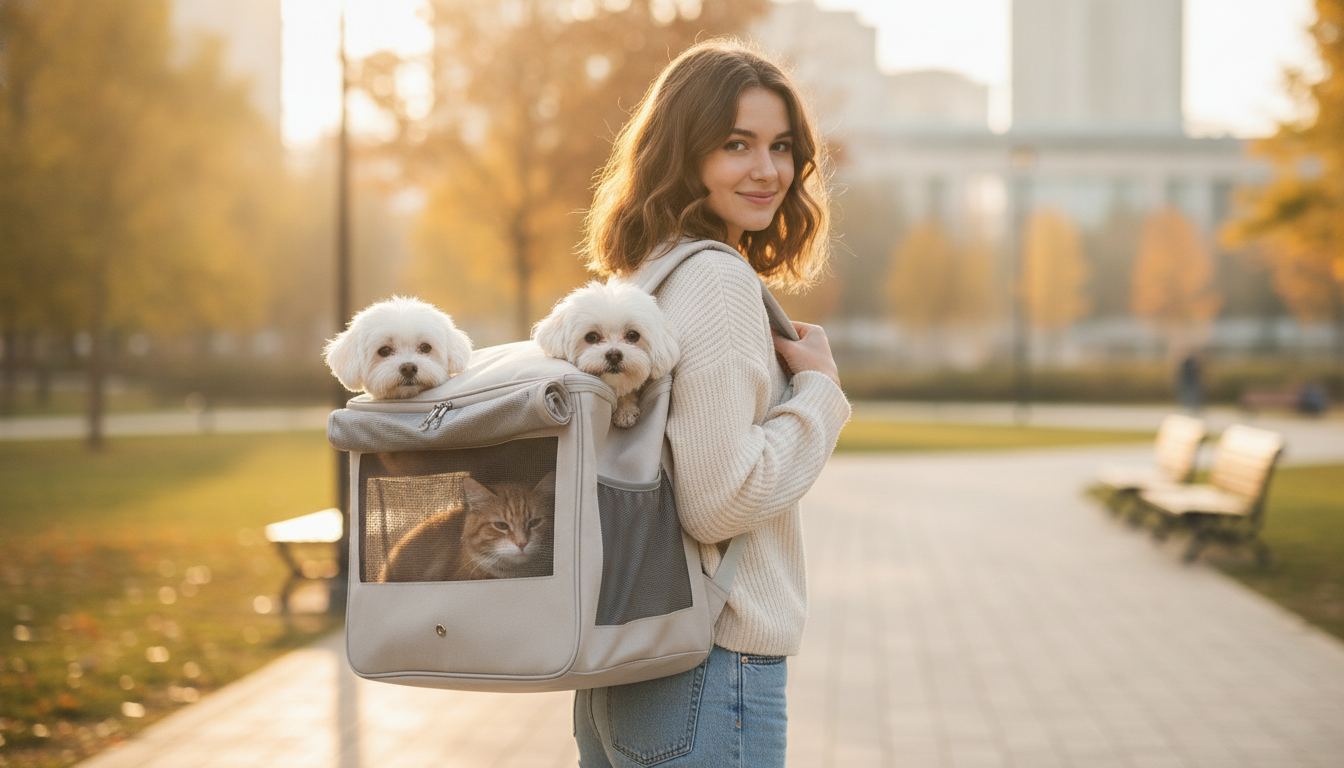
A roomy pet backpack can make everyday errands, outdoor walks, and travel days calmer for both pets and people. The best options balance interior space, airflow, secure closures, and carrying comfort so a cat or small dog can ride safely without feeling cramped. For more guidance, see Plush Winter Pet Backpack Carrier For Small Dogs & Cats.
Who This Backpack Works Best For
Large-capacity, structured pet backpacks are especially helpful when a traditional soft carrier feels too floppy, but a hard-sided kennel feels too bulky for quick trips. For further reading, see Cats In Bag Legs Out Carrier – Outdoor Travel Shoulder Pet ….
- Cats that prefer a covered, den-like space while moving through busy areas
- Small dogs that tire quickly on longer walks or need a lift in crowded places
- Pet parents who want hands-free carrying for commuting, hiking, or vet trips
- Situations where a soft carrier is too floppy and a hard carrier is too bulky
Comfort and Safety Features to Prioritize
A well-designed pet backpack should feel stable on your back while offering a secure, breathable environment inside. These are the features that tend to matter most in real-world use:
- Ventilation on multiple sides to keep air moving and reduce heat buildup
- Structured shape that helps the backpack keep its form when set down
- Secure zippers and closures that resist nudging or pawing open
- A safety tether/clip point for harness attachment (never clip to a collar)
- Stable base so the pet isn’t tipped forward when the wearer leans
- Soft interior surface and a removable pad for easier cleaning
Heat management is non-negotiable. Even mild temperatures can become risky in enclosed spaces without airflow—especially during stops. For hot-weather safety reminders, the CDC’s guidance on keeping pets safe in hot cars is a helpful baseline for planning errands and travel days.
Fit and Capacity: Getting the Size Right
The “right size” is less about the label and more about whether your pet can maintain a natural posture. Before buying, measure and compare against the backpack’s internal dimensions (especially if it has a rigid frame).
- Measure the pet’s weight, body length (base of neck to base of tail), and standing height
- Choose enough interior room for the pet to sit, turn around, and lie down naturally
- If the backpack has a rigid frame, confirm internal dimensions, not just the outer shell
- For cats: ensure headroom so ears aren’t pressed when sitting upright
- For small dogs: check that the back panel supports the dog’s spine in a neutral posture
Quick Fit Checklist
| Check | What to look for | Why it matters |
|---|---|---|
| Turn-around space | Pet can rotate without forcing shoulders/hips | Reduces stress and pressure points |
| Sitting posture | Pet can sit without crouching | Supports breathing and comfort |
| Base stability | Bottom stays flat when set down | Prevents sliding and jostling |
| Ventilation | Multiple mesh panels/vents | Helps manage heat and humidity |
| Harness connection | Interior tether attaches to harness | Adds a safety layer if zippers open |
Carrying Comfort for People
A large-capacity carrier is only useful if it’s comfortable to wear for more than a few minutes. Look for design details that reduce strain and keep the load steady as you move.
- Wide, padded shoulder straps to reduce digging and distribute weight
- Breathable back panel to limit sweat buildup on warm days
- Chest and waist straps (when available) for better load stability
- Balanced layout so the pet’s weight sits close to the wearer’s center of gravity
- Easy-grab handle for short lifts, stairs, and quick transfers
If you’ll be walking a lot, supportive footwear can make a noticeable difference in overall comfort and posture—especially when carrying extra weight. For everyday city walks, consider a comfortable option like Crime London Men’s White Leather Shoes.
Getting a Pet Comfortable With a Backpack
Even the best backpack won’t help if your pet associates it with stress. A gradual, rewards-based introduction usually produces the calmest riders.
- Start with the backpack open on the floor and add familiar bedding or a worn T-shirt
- Use short, calm sessions with treats: step in, sit, step out—no forced stays
- Practice gentle lifts at home before any outdoor trip
- Keep the first real outing brief and quiet; extend time gradually
- Watch for stress signals (panting in cats, wide eyes, freezing, drooling) and pause training if needed
For broader travel prep and reducing anxiety during transitions, practical guidance from the AVMA on traveling with your pet and the ASPCA’s general travel tips can help you plan calmer outings.
Care, Cleaning, and Everyday Use Tips
Large Capacity Portable Pet Backpack for Cats and Small Dogs
If you’re looking for a structured, roomy option that supports hands-free carrying, the Large Capacity Portable Pet Backpack for Cats and Small Dogs is a practical choice for everyday errands, walks, and travel transitions.
FAQ
How do you measure a cat or small dog for a backpack carrier?
Measure weight, body length (base of neck to base of tail), and standing height (floor to top of shoulders). Compare those numbers to the backpack’s internal dimensions and confirm your pet can sit, turn around, and lie down without crouching or pressing against the walls.
Is it safe for a pet to ride in a backpack for long walks?
It can be safe when the backpack has strong ventilation, a stable base, secure closures, and an interior tether clipped to a harness. Plan water breaks, avoid heat, and watch for signs of stress or overheating like heavy panting, drooling, or an unusually still “frozen” posture.
How can you prevent a pet from trying to escape a backpack carrier?
Use a properly fitted harness with the backpack’s interior tether, then double-check zippers before moving. Gradual training with short sessions, familiar bedding, and low-stimulation environments helps pets stay calm and reduces escape attempts.
Recommended for you


Best Dog Harness: Fit, Comfort, Control & Safety
Jul 26, 2026













Leave a comment