-
Shop
- Adidas
- Advanced Technologies
- AI Skills Mastery 2026 Collection
- Apple Accessories
- Best-Sellers
- Car Accessories
- Dating & Social Confidence
- Dating & Social Skills
- Digital Resources
- Education & Learning
- Family & Parenting
- Fashion
- Fashion Accessories
- Furniture
- Gadgets
- Health & Beauty
- Health & Wellness
- Home & Garden
- Home Supplies
- Kids & Babies
- Kitchen Best-Sellers
- Lighting
- Nike
- Patio, Lawn & Garden
- Personal Growth
- Pet Care
- Pet Supplies
- Pets
- Shoes
- Sport & Outdoors
- Stress Relief & Relaxation
- Summer 2025 Fashion Collection
- Sunglasses
- Super Deals
- Travel
- Travel & Outdoors
- Wealth
- Wealth Building
- Women’s Wellness & Lifestyle
- Popular
- Best deals
Silicone Facial Cleansing Brush: LED + Vibration Guide
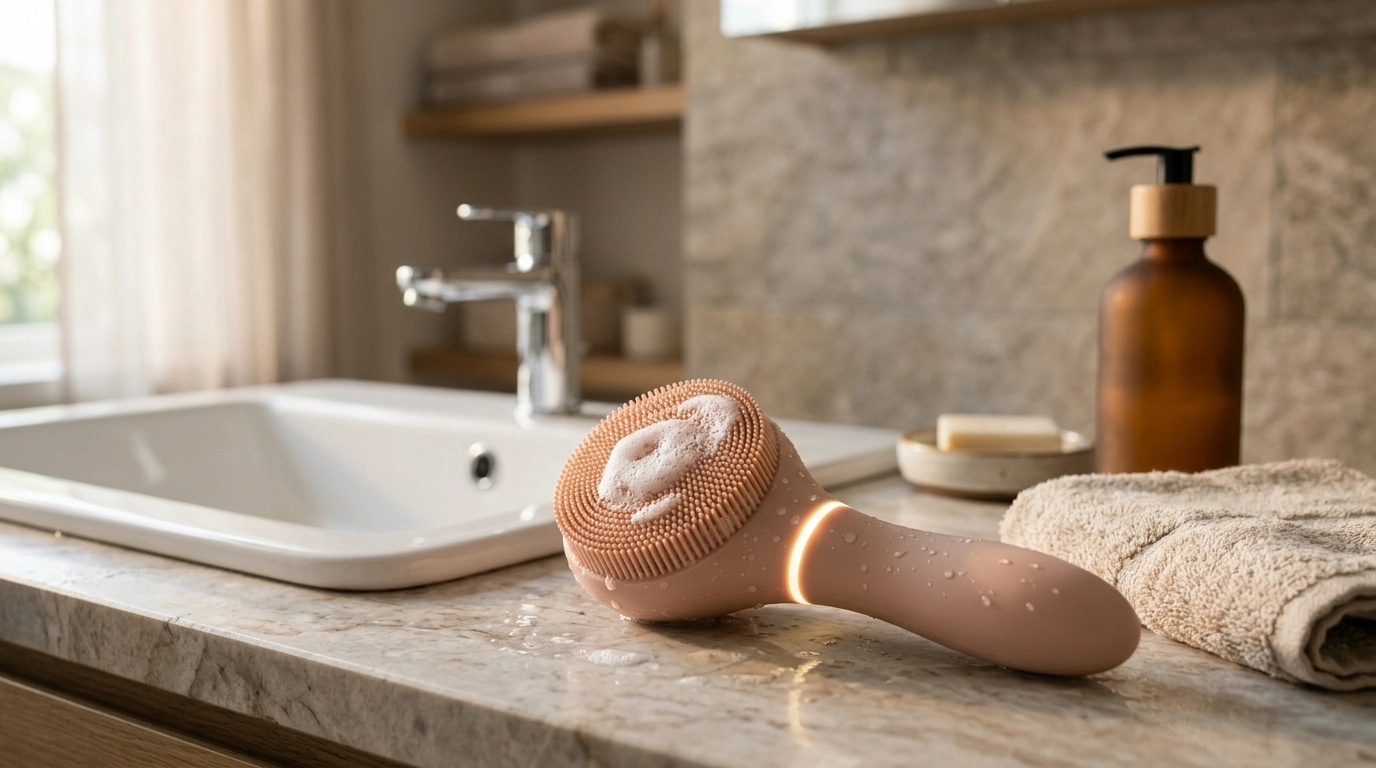
Electric Silicone Facial Cleansing Brush with LED Light & Vibration Massage: Daily Deep-Clean and Gentle Facial Massage
A silicone cleansing brush with vibration and LED light can turn a basic face-wash into a more consistent, satisfying routine—helping lift sunscreen, makeup, and everyday grime while adding a brief massage that feels relaxing. When used with a light hand and a skin-friendly cleanser, silicone bristles can feel gentler than rougher exfoliating tools, and the quick rinse-and-dry cleanup makes it easy to keep hygienic. Below is a clear guide to what this type of device does, who it suits, how to use it safely, and how to care for it long-term.
What it does (and what it doesn’t)
Silicone bristles help sweep away surface debris while spreading cleanser evenly across the skin, which can improve how clean and refreshed your face feels after rinsing. The vibration feature adds gentle mechanical movement that can help dislodge buildup around areas that often collect residue—like the sides of the nose, chin crease, and hairline—without the temptation to scrub aggressively.
The LED light feature is commonly included as a skincare add-on. Many people enjoy it as a calming step, but it shouldn’t be treated as a medical treatment for acne, rosacea, pigmentation, or other skin conditions. For skin concerns that persist, it’s best to follow dermatologist guidance and foundational habits (like cleansing gently and wearing sunscreen). The American Academy of Dermatology’s everyday care guidance is a helpful reference for keeping routines simple and consistent: https://www.aad.org/public/everyday-care/skin-care-basics.
A cleansing brush also isn’t a substitute for acne medication, prescription treatments, or professional procedures. And more pressure isn’t “more effective”—overuse can irritate the skin barrier, so technique and frequency matter more than intensity.
Who it’s best for
This type of brush tends to work well for oily or combination skin that feels congested, especially through the T-zone. It’s also a strong fit for anyone who wears sunscreen daily and wants a more thorough cleanse at night, since water-resistant formulas can cling to the skin and hairline.
Many sensitive-skin users prefer silicone because it’s typically softer and easier to sanitize than traditional bristles—when used gently and not too often. It can also be a nice add-on for anyone who wants a short vibration massage as part of an evening wind-down routine.
It’s not ideal during active flares of dermatitis, on open wounds, or when skin is severely inflamed. In those moments, pausing tools and focusing on barrier support is usually the most comfortable route. If you’re working on barrier repair, this overview of what the skin barrier does (and how to protect it) is a useful read: https://my.clevelandclinic.org/health/body/24769-skin-barrier.
How to use it: a simple 60–90 second routine
Consistency wins here. A short, gentle cleanse is typically more skin-friendly than a long, scrubby one.
- Start with clean hands; wet the face with lukewarm water.
- Apply a gentle cleanser to the face or directly to the silicone bristles.
- Use light pressure only; glide the brush in small circles across forehead, cheeks, nose, and chin.
- Keep total time short (typically 1 minute) to avoid over-exfoliation; spend less time on sensitive areas.
- Rinse the face thoroughly, then pat dry; follow with moisturizer to support the skin barrier.
- If using LED mode, follow device instructions and avoid staring into the light; discontinue if irritation occurs.
If your skin ever feels hot, tight, or stings after cleansing, it’s a sign to shorten the session, reduce frequency, or switch to a gentler cleanser.
Frequency and skin-safety guidelines
Suggested use by skin type
| Skin type | Recommended frequency | Technique notes | Watch-outs |
|---|---|---|---|
| Sensitive / reactive | 1–2x per week | Very light pressure; shorter time | Stop if redness or stinging persists |
| Normal | 2–4x per week | Gentle circles; avoid lingering on one spot | Do not chase “squeaky clean” tightness |
| Combination | 3–5x per week | Focus briefly on T-zone; lighter on cheeks | Dry patches can worsen with overuse |
| Oily / congested | 4–7x per week (as tolerated) | Short passes around nose/chin | Irritation can trigger more oiliness |
Cleaning, drying, and storage
Choosing a cleanser and pairing with the rest of a routine
Featured product: Electric Silicone Facial Cleansing Brush with LED Light & Vibration Massage
The Electric Silicone Facial Cleansing Brush with LED Light & Vibration Massage is designed to combine silicone cleansing with vibration massage and an LED light feature for an upgraded at-home routine. It’s especially useful for quick daily cleansing in areas prone to buildup (nose, chin, and hairline), and silicone makes it practical to rinse and dry compared with traditional bristle brushes. For current price, availability, and product details, visit the product page.
More in-stock picks to pair with your routine
- 28-Piece Natural Hair Makeup Brush Set for smoother makeup application—helpful if you want tools that apply product evenly after a well-prepped cleanse.
- Infrared Sauna for One Person for an at-home wellness upgrade; if you use heat sessions, keep skincare gentle afterward and prioritize hydration.
FAQ
Can a silicone facial cleansing brush be used every day?
Yes for many people, but start a few times per week and increase only if your skin stays comfortable. If you notice dryness, redness, or stinging, reduce frequency and keep sessions short.
Is it safe to use a vibrating cleansing brush on sensitive skin?
Often yes when used with very light pressure, brief duration, and a gentle cleanser. Avoid using it on broken skin or during active irritation or severe inflammation.
How should the brush be cleaned to prevent bacteria buildup?
Rinse it after each use, let it air-dry fully, and wash the silicone head weekly with mild soap. Keep the device body and charging area dry according to the manufacturer’s guidance.















Leave a comment