-
Shop
- Adidas
- Advanced Technologies
- AI Skills Mastery 2026 Collection
- Apple Accessories
- Best-Sellers
- Car Accessories
- Dating & Social Confidence
- Dating & Social Skills
- Digital Resources
- Education & Learning
- Family & Parenting
- Fashion
- Fashion Accessories
- Furniture
- Gadgets
- Health & Beauty
- Health & Wellness
- Home & Garden
- Home Supplies
- Kids & Babies
- Kitchen Best-Sellers
- Lighting
- Nike
- Patio, Lawn & Garden
- Personal Growth
- Pet Care
- Pet Supplies
- Pets
- Shoes
- Sport & Outdoors
- Stress Relief & Relaxation
- Summer 2025 Fashion Collection
- Sunglasses
- Super Deals
- Travel
- Travel & Outdoors
- Wealth
- Wealth Building
- Women’s Wellness & Lifestyle
- Popular
- Best deals
Sit-to-Stand Toddler Push Car (1–3): Music + Storage
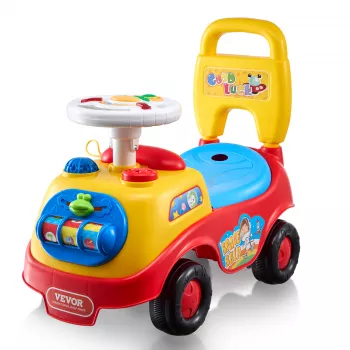
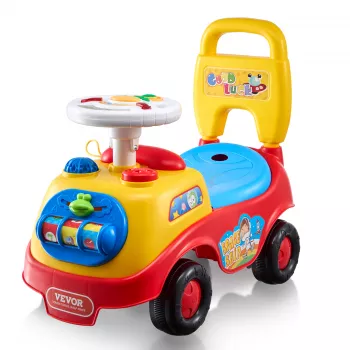
Toddler Ride On Push Car – Sit-to-Stand Toy with Music & Storage for Kids 1-3
A sit-to-stand push car is a practical “in-between” toy: it supports early cruising and wobbly first steps, but it also delivers the satisfying payoff toddlers love—being able to sit and ride. For ages 1–3, that mix can turn daily bursts of energy into skill-building play, especially when the toy adds simple music buttons and a storage spot for favorite small items.
Why this style of toy works from 1 to 3 years
- Multiple play stages in one toy: toddlers can sit and scoot, pull to stand using the handle, then progress to push-walking and confident “driving.”
- Gross-motor practice that repeats naturally: standing, pushing, steering, and stopping show up again and again without needing structured activities.
- Longer-lasting interest: as coordination improves, the play pattern evolves—so it doesn’t feel “babyish” too quickly.
- Indoor-friendly movement: it fits short sessions between meals and naps, and the built-in compartment helps corral tiny toys after playtime.
Key features that matter day to day
- Stable base: a wide wheel stance and low center of gravity can reduce tipping risk when toddlers turn sharply or pull themselves upright.
- Comfortable seat: look for a shape that supports sitting without sliding forward, with enough room for diapers and thicker toddler clothes.
- Push handle height and grip: a handle that’s easy to grasp helps kids stay more upright, rather than leaning far forward and “falling” into the toy.
- Music and sound controls: simple cause-and-effect buttons keep toddlers engaged; indoor-friendly volume is a big plus for everyday use.
- Storage compartment: the most-used storage is the easiest storage—something toddlers can open, drop items into, and close without frustration.
Play stages: from sit-and-ride to confident walker
Stage 1 (early 1+): seated scooting
Start with foot-to-floor contact and short scoots on a flat surface. A clear “path” of a few feet is plenty at first, especially if your toddler is still figuring out how to coordinate both legs.
Stage 2: pull-to-stand practice
With a caregiver close by, toddlers often use the handle to rise. This moment is where stability matters most—set the toy on a surface that resists sudden sliding so the child can focus on balance.
Stage 3: push-walking
Encourage slow pushes and straight lines before adding turns. If your child rushes, try a “park and go” routine: hands on handle, push two steps, stop, then repeat.
Stage 4: active pretend play
Once walking feels more secure, pretend “driving” takes over. Music buttons, loading the storage compartment, and “parking” in a designated spot can turn movement into a predictable, calmer routine.
Simple progression tip: begin on carpet or a rug for slower rolling, then transition to smoother floors as control improves.
Safety and setup essentials
- Choose the right area: use flat, open spaces away from stairs, thresholds, fireplaces, and clutter that can stop wheels abruptly.
- Follow age/weight guidance: supervise early standing and push-walking, particularly during turns or when siblings are nearby.
- Do quick maintenance checks: if assembly uses screws, re-tighten periodically and inspect parts for loosening after enthusiastic play.
- Prioritize traction: indoors, bare feet or grippy footwear can help toddlers push more confidently without sliding.
- Battery safety: if sounds use batteries, ensure the compartment is secured and not accessible without a tool.
For broader guidance on development and home safety, the CDC’s milestone resources and the American Academy of Pediatrics home safety information are helpful references.
Feature overview at a glance
Use this quick checklist to match features to your child’s current stage and your home’s space.
| Feature | Why it matters | What to check |
|---|---|---|
| Push handle | Supports balance while standing and walking | Secure fit, comfortable grip, height appropriate for toddler |
| Wheel stability | Helps prevent tipping during turns | Wide stance, smooth rolling, controlled speed on your floors |
| Seat design | Comfort for ride-on play and transitions | Adequate space, supportive shape, easy to sit/stand |
| Music/sounds | Engagement and cause-and-effect play | Simple buttons, reasonable volume, secured battery compartment |
| Storage compartment | Encourages tidy habits and pretend play | Easy-open, edges smooth, fits small toys safely |
Keeping play fun (and the house calmer)
When to size up or change play options
Featured in-stock picks
- Toddler Ride On Push Car – Sit-to-Stand Toy with Music & Storage for Kids 1-3 ($44.51)
- 28-Piece Natural Hair Makeup Brush Set ($67.49)
- Crime London Men’s White Leather Shoes ($170.99)
FAQ
Is a sit-to-stand push car safe for a 1-year-old?
It can be safe with close supervision, use on flat open areas, and a stability-focused design that resists tipping during pull-to-stand and turns. Keep it away from stairs and thresholds, and follow the toy’s age/weight guidance, including secured battery compartments for music features.
What’s the difference between a push walker and a ride-on push car?
A push walker is primarily designed for walking support, while a ride-on push car adds a seated scoot/ride-on mode plus pretend-play features like music and storage. That multi-mode setup often keeps the toy useful longer as skills change from cruising to confident walking.
How can the storage compartment be used without making the toy harder to steer?
Keep the load light, small, and balanced—think a small plush toy or a few blocks. Avoid heavy or shifting items that can change the toy’s center of gravity and make turning less predictable.














Leave a comment