-
Shop
- Adidas
- Advanced Technologies
- AI Skills Mastery 2026 Collection
- Apple Accessories
- Best-Sellers
- Car Accessories
- Dating & Social Confidence
- Dating & Social Skills
- Digital Resources
- Education & Learning
- Family & Parenting
- Fashion
- Fashion Accessories
- Furniture
- Gadgets
- Health & Beauty
- Health & Wellness
- Home & Garden
- Home Supplies
- Kids & Babies
- Kitchen Best-Sellers
- Lighting
- Nike
- Patio, Lawn & Garden
- Personal Growth
- Pet Care
- Pet Supplies
- Pets
- Shoes
- Sport & Outdoors
- Stress Relief & Relaxation
- Summer 2025 Fashion Collection
- Sunglasses
- Super Deals
- Travel
- Travel & Outdoors
- Wealth
- Wealth Building
- Women’s Wellness & Lifestyle
- Popular
- Best deals
Stress Signs in Women: 5-Minute Weekly Checklist
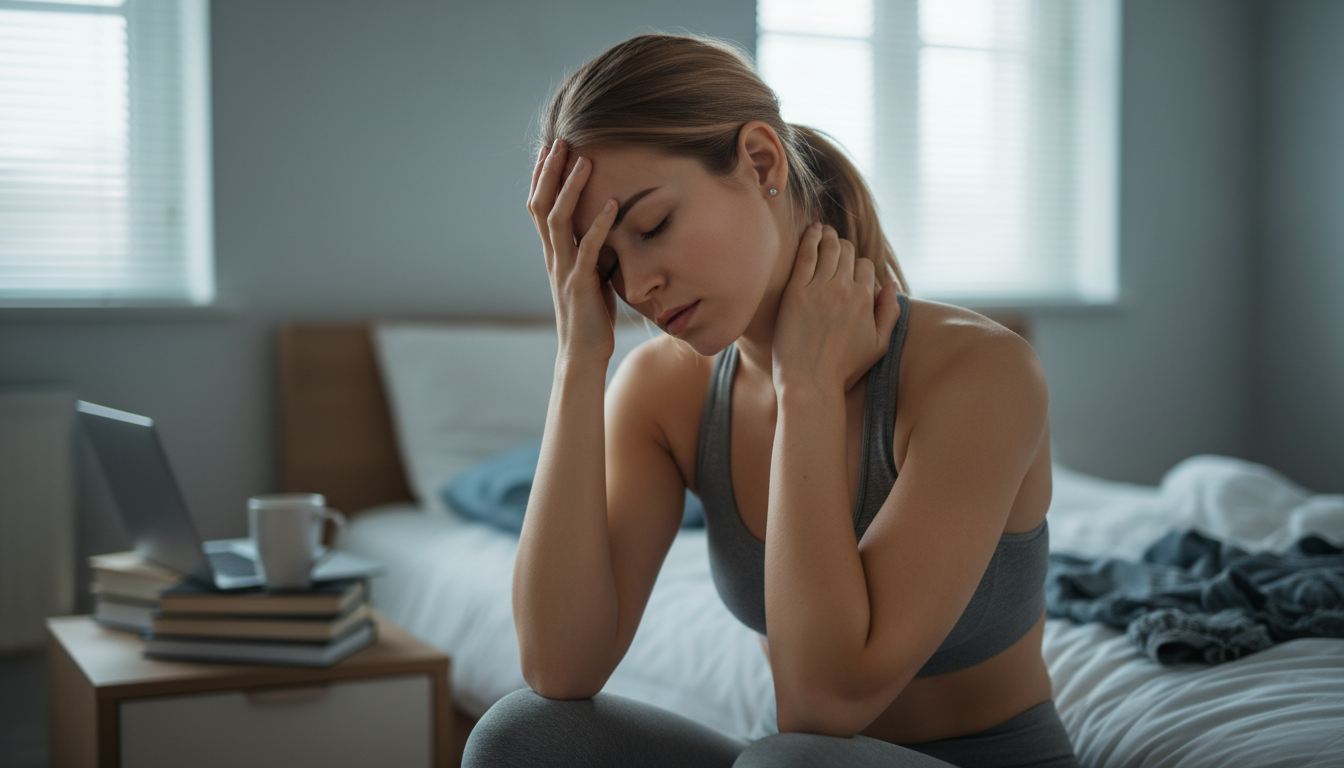
Stress can show up as mood shifts, body changes, habits that feel “off,” and a mind that won’t slow down. A simple checklist helps spot patterns early, separate occasional overload from ongoing strain, and decide what kind of support is needed next.
Why stress looks different from one woman to another
Stress responses aren’t one-size-fits-all. Sleep quality, hormones, workload, caregiving demands, relationship dynamics, and underlying health conditions can all shape how stress shows up day to day. Two people can face similar pressures and still experience completely different symptoms.
Some signs are “loud,” like panic sensations or insomnia. Others are quieter and easier to miss, such as withdrawing socially, carrying chronic jaw/shoulder tension, or feeling unusually forgetful. A checklist works best when it’s repeated weekly so you can notice trends rather than judging yourself based on one rough day.
Emotional signs to notice
- Irritability or feeling “on edge,” especially with small triggers
- Persistent sadness, tearfulness, or emotional numbness
- Heightened anxiety, dread, or feeling unsafe without a clear reason
- Low motivation or loss of enjoyment in hobbies and social time
- Feeling overwhelmed, trapped, or like there is never enough time
If these feelings are frequent, it can help to label them without judgment (“I’m feeling keyed up,” “I’m emotionally flat”), then note what tends to come right before them (lack of sleep, conflict, a packed calendar, caffeine, or scrolling late at night).
Physical signs that stress is affecting the body
- Sleep disruption: trouble falling asleep, waking at night, or waking unrefreshed
- Head and muscle tension: headaches, jaw tension, neck/shoulder tightness, or unexplained aches
- Digestive changes: nausea, reflux, constipation, diarrhea, or appetite shifts
- Heart and breathing sensations: palpitations, chest tightness, shortness of breath (especially with anxiety)
- Immune and skin changes: getting sick more often, acne flares, rashes, hair shedding
- Cycle-related changes: stress can influence your menstrual cycle; persistent or disruptive changes warrant medical guidance
Stress is closely linked to whole-body symptoms. For a quick evidence-based overview of common effects, see Mayo Clinic’s stress symptoms guide and the American Psychological Association’s stress resources.
Behavioral signs that show up in daily routines
- Avoidance or procrastination, especially around emails, calls, or difficult conversations
- Overworking, difficulty taking breaks, or feeling guilty when resting
- Social withdrawal or increased conflict with partners, coworkers, friends, or family
- Changes in eating patterns (skipping meals, grazing, emotional eating) or substance use
- Nervous habits: nail biting, skin picking, hair pulling, pacing, or constant phone checking
Behavioral signs can be especially revealing because they show what your nervous system is trying to do: escape, control, numb out, or push through. Noticing the pattern gives you a place to intervene—often with small adjustments that reduce baseline strain.
Cognitive signs: how stress affects thinking
- Racing thoughts, rumination, or replaying conversations and “what ifs”
- Brain fog: reduced focus, slower processing, or feeling mentally “cluttered”
- Forgetfulness and mistakes that are out of character
- Decision fatigue: even small choices feel exhausting
- Negative self-talk, catastrophizing, or assuming the worst outcome by default
When stress is high, the mind often narrows to threat-scanning and problem-fixing. That can make everyday tasks feel heavier than usual—even when nothing looks “wrong” from the outside.
5-minute self-check: rating intensity and frequency
A fast rating system can make stress easier to track and talk about. For each sign you notice, rate:
- Frequency: rarely / sometimes / often
- Intensity: mild / moderate / severe
Then look for clusters (for example: emotional + sleep issues, or cognitive + avoidance behaviors). Track timing (mornings vs. evenings, workdays vs. weekends, around menstrual cycle changes). Finally, note what helps (movement, hydration, boundaries, social support) and what worsens (late-night screens, caffeine, conflict, multitasking).
Quick stress awareness checklist (sample)
| Domain | Example signs | Often (Y/N) | Severity (1–3) | Notes / triggers |
|---|---|---|---|---|
| Emotional | Irritability, tearfulness, numbness | |||
| Physical | Insomnia, headaches, muscle tension | |||
| Behavioral | Avoidance, overworking, withdrawal | |||
| Cognitive | Brain fog, rumination, decision fatigue |
When stress may be tipping into burnout or anxiety/depression
If you’re unsure what’s “normal,” prioritize impact: how much symptoms disrupt your ability to function, connect, and recover. For general guidance on coping and support options, the World Health Organization’s stress Q&A is a helpful reference.
Small, practical next steps after the checklist
If relaxation time at home is part of your reset routine, an Infrared Sauna for One Person can be a dedicated space for quiet decompression (especially when paired with hydration and a screen-free wind-down).
Downloadable checklist option
For a ready-to-use version, see Checklist: Signs of Stress in Women (digital download). Keeping it on your phone or printing a few copies can make weekly tracking feel simple rather than overwhelming.
FAQ
How can stress affect women differently than men?
Stress responses vary by individual and context, but differences in caregiving load, sleep patterns, hormones, and social expectations can influence how symptoms show up. The most useful approach is to look at your personal pattern and how much it affects daily functioning.
What are the first signs of stress to watch for?
Early signals often include irritability, sleep disruption, muscle tension, brain fog, and increased avoidance or procrastination. Track frequency and triggers for a week to see whether it’s occasional overload or a consistent pattern.
When should stress symptoms be checked by a professional?
Seek professional guidance when symptoms persist most days for 2+ weeks, worsen over time, or significantly impair work, parenting, relationships, or self-care. Get urgent medical help for severe or new physical symptoms (like chest pain or fainting) and immediate help if you feel unsafe or have thoughts of self-harm.
Recommended for you


Levi’s Azure Gradient Sunglasses (Brown/Grey) + Case
Jul 24, 2026













Leave a comment