-
Shop
- Adidas
- Advanced Technologies
- AI Skills Mastery 2026 Collection
- Apple Accessories
- Best-Sellers
- Car Accessories
- Dating & Social Confidence
- Dating & Social Skills
- Digital Resources
- Education & Learning
- Family & Parenting
- Fashion
- Fashion Accessories
- Furniture
- Gadgets
- Health & Beauty
- Health & Wellness
- Home & Garden
- Home Supplies
- Kids & Babies
- Kitchen Best-Sellers
- Lighting
- Nike
- Patio, Lawn & Garden
- Personal Growth
- Pet Care
- Pet Supplies
- Pets
- Shoes
- Sport & Outdoors
- Stress Relief & Relaxation
- Summer 2025 Fashion Collection
- Sunglasses
- Super Deals
- Travel
- Travel & Outdoors
- Wealth
- Wealth Building
- Women’s Wellness & Lifestyle
- Popular
- Best deals
Trunk Organizer Blocks: Stop Cargo Slide in Any Trip
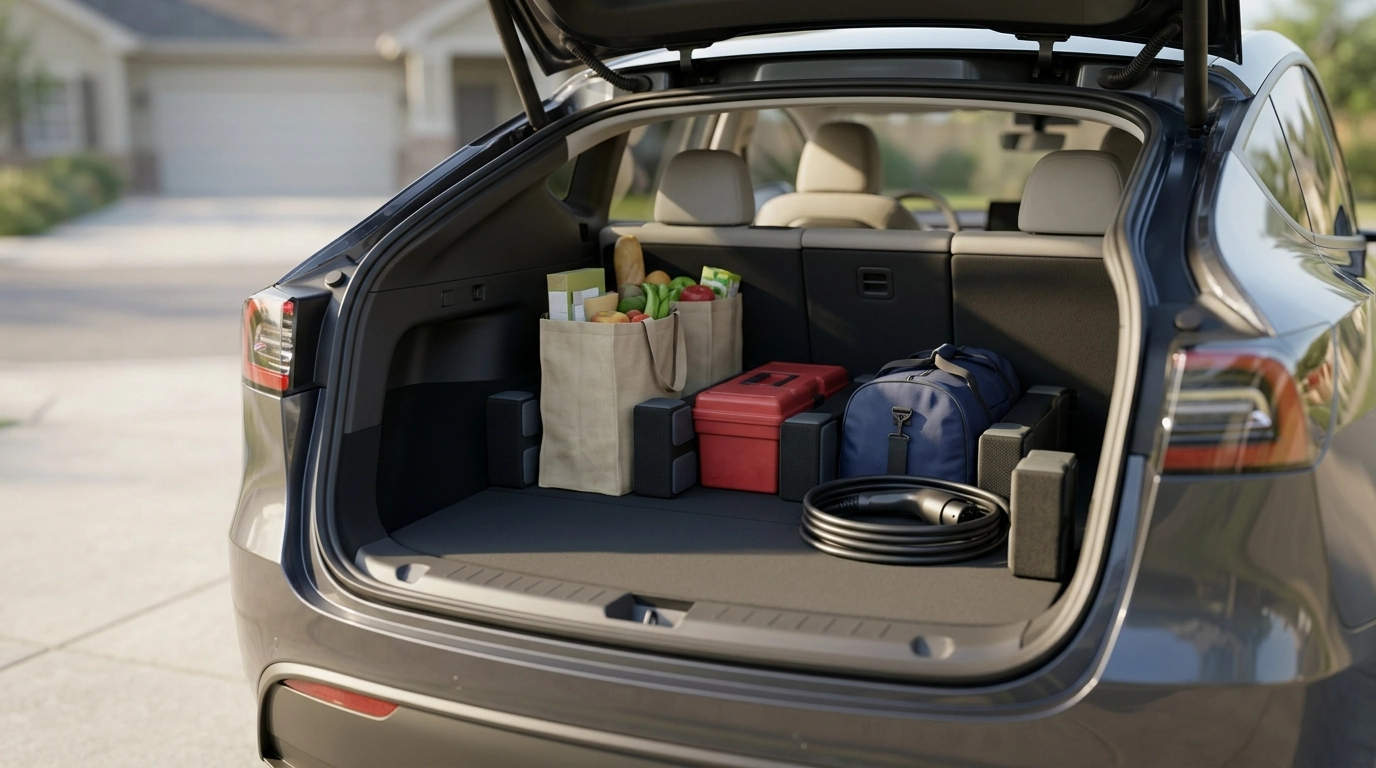
Car Trunk Organizer Blocks for Tesla, Mercedes-Benz, and Hyundai
Loose bags, rolling groceries, and sliding toolboxes can turn a clean trunk into a constant mess. Trunk organizer blocks create simple “stops” that help keep everyday cargo in place, protect interior trim from shifting loads, and reduce distractions caused by items moving around while driving. Designed for quick placement and repositioning, they’re a practical add-on for daily errands, road trips, and ride-share use—especially in flatter cargo areas common in many EVs and crossovers.
Keeping items from moving isn’t just about convenience. When cargo shifts unexpectedly, it can pull attention away from the road at the wrong moment—something safety organizations consistently warn about in the broader context of distraction and secure loading. For general safety guidance, see NHTSA’s distracted driving resources and AAA’s cargo and road-trip checklist guidance.
What trunk organizer blocks are and what they solve
Trunk organizer blocks are compact, modular supports that sit on your cargo floor and press against your items to keep them from sliding. Instead of permanently installing a divider or relying on hooks that may not exist, you create “contact points” exactly where you need them.
- Create friction and a physical barrier to limit cargo sliding during acceleration, braking, and cornering
- Help separate items (e.g., groceries, takeout, gym bag, charging accessories) without installing permanent dividers
- Reduce scuffs and dents to trunk liner panels by preventing hard items from slamming into sidewalls
- Work well for small-to-medium loads where nets and rigid bins are overkill
- Quick to reposition based on the day’s cargo—no tools required
Fit and compatibility across Tesla, Mercedes-Benz, and Hyundai cargo areas
Organizer blocks tend to shine in trunks and hatch areas that are wide, flat, and used for mixed errands—common across Tesla EVs, many Mercedes-Benz sedans/SUVs, and Hyundai sedans/crossovers/EVs. The goal isn’t a “one-size-fits-all” layout; it’s building a stable perimeter around whatever you’re carrying that day.
- Tesla Model 3/Y/X/S: Flat, wide cargo floors benefit from adjustable stops to keep smaller items from drifting toward the liftgate or seatbacks
- Mercedes-Benz sedans and SUVs: Useful for mixed cargo (briefcase + groceries) where factory trunk straps may not cover every shape
- Hyundai sedans, crossovers, and EVs: Helps stabilize shopping bags and travel gear on trunk carpets and liners
- Best results come from matching block placement to the cargo footprint and keeping contact points tight to the item being secured
- For unusually slick all-weather mats, verify grip and consider placing blocks against rigid items rather than soft bags alone
Quick compatibility and use-case guide
| Vehicle/Trunk setup | Common problem | Recommended block placement | Typical cargo examples |
|---|---|---|---|
| Tesla Model Y hatch cargo area | Bags slide toward liftgate | Two blocks behind bags; one side block if needed | Groceries, meal kits, sports bag |
| Tesla Model 3 trunk well | Small items migrate into corners | Blocks to square off a small zone near the latch | Emergency kit, cleaning supplies |
| Mercedes-Benz SUV cargo floor | Mixed items collide during turns | Blocks to create two lanes (left/right) or a rear stop | Stroller parts, shopping bags |
| Hyundai crossover with liner/mat | Rolling objects move freely | Blocks bracing the item on both sides | Cooler, toolbox, gallon jugs |
How to set up the blocks for a stable hold
A secure setup comes from two things: surface grip and tight contact. Blocks placed “close enough” can still allow a bag or box to build momentum. A snug brace keeps your items from ever getting started.
- Start with a clean cargo surface: remove dust, sand, and loose debris that can reduce friction
- Place cargo first, then snug blocks against it rather than guessing spacing ahead of time
- Use a “three-point brace” for items that tip: two side blocks plus one rear block to prevent sliding and rotation
- For grocery bags: cluster bags together, then use blocks as a perimeter to reduce gaps
- For tall, narrow items: brace the base tightly and avoid compressing fragile contents (e.g., glass bottles)
If you regularly carry a mix of soft bags and rigid items, prioritize bracing the rigid items first. Once the heavy, hard pieces can’t move, the softer bags are less likely to get shoved around during turns.
When organizer blocks beat bins, nets, and straps
Different trunk solutions excel in different situations. Blocks are a modular middle ground: faster than tying things down, less bulky than bins, and more adaptable than fixed dividers.
Everyday ways to use them
Care, cleaning, and long-term performance
Product options
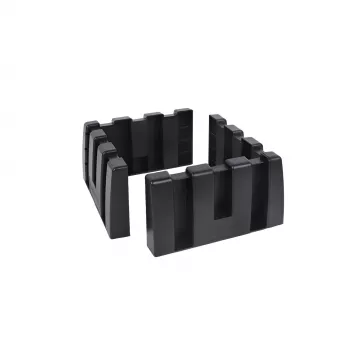
For a modular, repositionable approach to stabilizing daily cargo, consider Car Trunk Organizer Blocks for Tesla Model 3/Y/X/S, Mercedes-Benz, Hyundai. They’re designed for quick placement, easy repositioning, and pairing with common trunk carpets and liners (with placement adjusted based on surface slickness).
FAQ
Do trunk organizer blocks work on all-weather trunk mats?
They can, but effectiveness depends on the mat’s texture and cleanliness. Wipe the mat first, then test grip with a firm push; for best results, brace against rigid items (like a cooler or box) instead of relying on a soft bag alone.
How many blocks are typically needed to keep groceries from tipping over?
A simple rule of thumb is two blocks as a rear stop for a clustered group of bags. Add one or two side blocks for taller/heavier bags, and use a “three-point brace” (two sides plus one rear) for items that tip easily.
Will organizer blocks damage trunk carpet or liners?
They’re intended to help protect liners by preventing impacts from sliding items. Keep both the blocks and cargo surface clean to avoid grit-related abrasion, and avoid applying excessive pressure against delicate trim or packaging.














Leave a comment