-
Shop
- Adidas
- Advanced Technologies
- AI Skills Mastery 2026 Collection
- Apple Accessories
- Best-Sellers
- Car Accessories
- Dating & Social Confidence
- Dating & Social Skills
- Digital Resources
- Education & Learning
- Family & Parenting
- Fashion
- Fashion Accessories
- Furniture
- Gadgets
- Health & Beauty
- Health & Wellness
- Home & Garden
- Home Supplies
- Kids & Babies
- Kitchen Best-Sellers
- Lighting
- Nike
- Patio, Lawn & Garden
- Personal Growth
- Pet Care
- Pet Supplies
- Pets
- Shoes
- Sport & Outdoors
- Stress Relief & Relaxation
- Summer 2025 Fashion Collection
- Sunglasses
- Super Deals
- Travel
- Travel & Outdoors
- Wealth
- Wealth Building
- Women’s Wellness & Lifestyle
- Popular
- Best deals
Vintage Copper Bike Bell: Crisp Ring, Mini & Waterproof
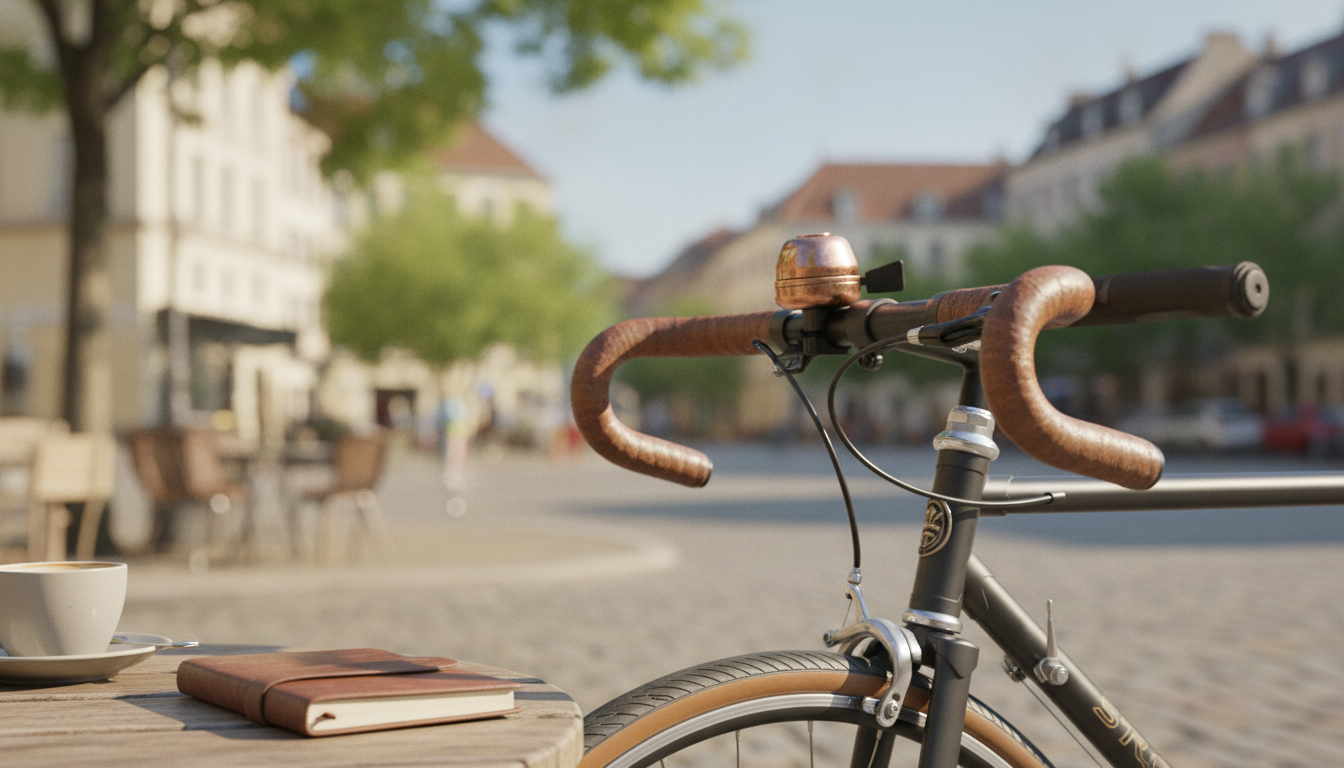
Vintage Copper Bike Bell with Crisp Ring & Waterproof Mini Handlebar Design
A clear, polite bell can make everyday riding smoother—especially in busy parks, shared paths, and city streets. The Vintage Copper Bike Bell with Crisp Ring & Waterproof Mini Handlebar Design pairs a bright, crisp ring with a compact, water-resistant build, giving classic style a practical, ride-any-weather purpose.
Why a compact bell still matters on modern rides
Even with bright lights and reflective gear, the simplest way to announce your presence is often an unmistakable sound. A small bell creates an instant, recognizable signal for pedestrians and other riders on shared-use paths, and it helps reduce surprise pass-bys by giving an audible cue before overtaking.
It’s also useful in low-visibility moments: around corners, near driveways, and at trail merges where sightlines are short. Because a bell is low-maintenance and doesn’t require batteries or pairing, it’s one of the easiest safety accessories to add without changing your bike’s setup or routine. For broader riding-safety guidance, see resources from the NHTSA and the Rails-to-Trails Conservancy.
Design highlights: vintage copper look with a crisp ring
A bell is small, but it sits front-and-center on the handlebar—so aesthetics matter. The copper-toned finish brings a retro accent that fits commuter bikes, cruisers, and vintage-inspired builds. Instead of a dull click, the goal is a crisp ring that cuts through typical outdoor noise and gets noticed without feeling harsh.
The mini form factor helps keep your cockpit clean and leaves room for other essentials like lights, phone mounts, and cycling computers. A one-thumb operation makes it easier to signal quickly without shifting your hand position, which matters when traffic, turns, or pedestrians demand full attention on steering and braking.
Waterproof handlebar design for all-weather use
Daily riding doesn’t always happen under perfect skies. A water-resistant bell is better suited for rain, puddle splash, and the damp storage conditions that come with commuting, apartment bike rooms, or covered racks. By resisting moisture intrusion, the mechanism is less likely to develop sticking, inconsistent ringing, or a sluggish lever feel after repeated wet rides.
This kind of weather-ready accessory pairs naturally with other rain-focused add-ons like fenders, sealed lights, and jacket covers. If your routine includes wet roads or shoulder seasons, it’s the kind of “set it and forget it” upgrade that keeps working when conditions get messy. The CDC also provides practical roadway and awareness information that supports safer trips in mixed environments: Bicycling & Walking (CDC).
Fit and installation: getting the cleanest, loudest ring
Most bell complaints trace back to mounting and placement. For the best sound and easiest use, start by positioning the bell where your thumb can reach it instantly, ideally without rotating your grip. Next, check clearance so the lever won’t strike a brake lever, shifter paddle, or the edge of thick bar tape.
Tighten the mount evenly so the bell doesn’t rotate when you press the lever—rotation wastes force and can soften the ring. If you’re using padded grips or heavily cushioned tape, aim for a firmer section of the bar so the clamp holds solidly. After installation, test the ring directionally (front and side). Sound can project differently depending on where the bell sits relative to cables, baskets, or handlebar bags.
Quick fit checklist
| Check | What to look for | Why it matters |
|---|---|---|
| Handlebar space | Room near grips and controls | Improves reach and consistent use |
| Lever access | Thumb can press without shifting grip | Faster signaling when needed |
| Rotation resistance | Bell stays fixed under pressure | Prevents misalignment and weak strikes |
| Control interference | No contact with shifter/brake levers | Avoids accidental braking or missed rings |
| Sound test | Clear ring at multiple angles | Better awareness for others nearby |
When to use a bell (and when to use your voice instead)
Timing and tone matter as much as volume. Ring early—before you’re close—so others have time to look around, adjust their line, and react calmly. In crowded areas, pair the bell with reduced speed and a safe passing distance; the ring is a heads-up, not a permission slip.
If the environment is noisy (traffic, wind, group chatter) or someone doesn’t respond, a calm verbal cue can work better than repeated ringing. Avoid rapid, aggressive ringing; a single ring or a polite double ring is typically clearer and more courteous. In group rides, one person ringing while others call out “passing on your left” can reduce confusion, especially on busy multi-use trails.
Care tips to keep the ring bright and the mechanism smooth
A simple upgrade for everyday bikes and gift-ready builds
If rainy walks are part of the routine too, the Waterproof Dog Coat for Small and Medium Dogs – Lightweight and Warm is an easy companion item to keep on hand for wet-weather outings.
FAQ
Will this bell fit most handlebars?
Most bike bells are designed to fit common handlebar diameters, but it’s best to measure the bar where you plan to mount it (near the grips is typical). Also check for clearance around brake levers, shifters, and thick grips or bar tape so the lever can move freely.
Is a waterproof bike bell fully submersible?
Typically “waterproof” for bike accessories means water-resistant against rain and splashes, not full submersion. Avoid direct pressure washing at the mechanism, and wipe the bell dry after wet rides to keep the action consistent.
How can the ring be made louder and clearer?
Tighten the mount so the bell can’t rotate, and place it on a firm section of handlebar for a more solid strike. Make sure the striker has full travel, remove any debris around moving parts, and test small position changes to improve sound projection forward and to the side.
Recommended for you


Push-Up One-Piece Yoga Jumpsuit: Quick-Dry Comfort
Jun 10, 2026













Leave a comment