-
Shop
- Adidas
- Advanced Technologies
- AI Skills Mastery 2026 Collection
- Apple Accessories
- Best-Sellers
- Car Accessories
- Dating & Social Confidence
- Dating & Social Skills
- Digital Resources
- Education & Learning
- Family & Parenting
- Fashion
- Fashion Accessories
- Furniture
- Gadgets
- Health & Beauty
- Health & Wellness
- Home & Garden
- Home Supplies
- Kids & Babies
- Kitchen Best-Sellers
- Lighting
- Nike
- Patio, Lawn & Garden
- Personal Growth
- Pet Care
- Pet Supplies
- Pets
- Shoes
- Sport & Outdoors
- Stress Relief & Relaxation
- Summer 2025 Fashion Collection
- Sunglasses
- Super Deals
- Travel
- Travel & Outdoors
- Wealth
- Wealth Building
- Women’s Wellness & Lifestyle
- Popular
- Best deals
One-Piece Swimsuit Sizing: When to Size Up or Down
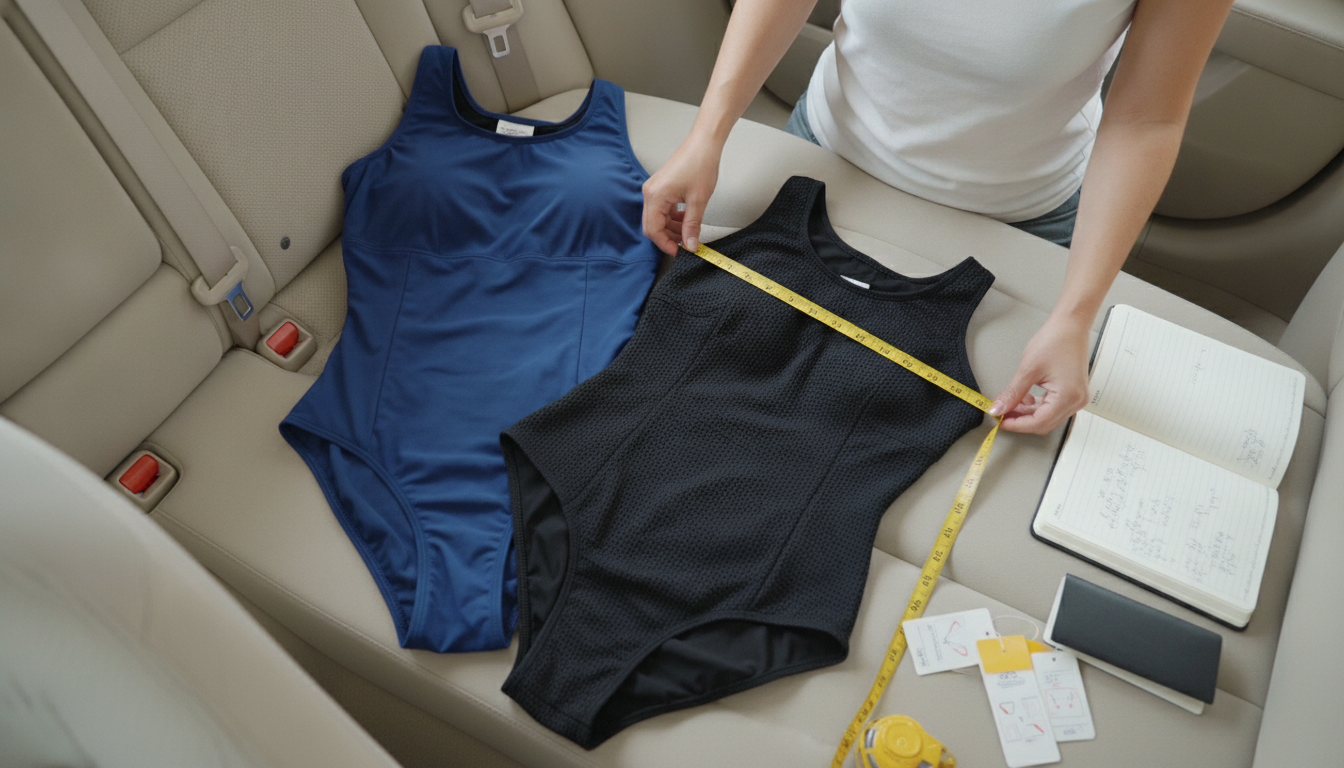
Should I size up or down for a one-piece swimsuit?
Most shoppers should start with their true size and adjust based on where they carry curves and how much compression they want. A one-piece is meant to sit smooth and snug, but it shouldn’t dig into your shoulders, pinch at the leg openings, or create a hard “muffin top” at the bust or hips. If you’re between sizes, the best choice depends on your torso length and your largest measurement.
How to choose the right size
Start with your largest measurement
If your bust is larger than your hips, choose the size that fits your bust to avoid gaping or pulling across the chest. If your hips are your largest point, choose the size that fits your hips so the seat and leg openings don’t ride up.
Size up when comfort or torso length is the issue
Size up if you have a longer torso, broader shoulders, a fuller bust, or if you’re frequently tugging the straps upward. Signs you should size up include shoulder strap pressure, side seams pulling forward, or the crotch feeling too short.
Size down only when fabric is loose (not just “snug”)
Size down if the suit wrinkles, bags at the waist, or feels like it might shift when you move. This is more common with stretchier fabrics or when your measurements sit solidly at the low end of a size range. If the suit is supportive but merely firm, that’s normal—one-pieces are designed to hold.
Do a quick fit check before committing
Lift your arms, sit, and take a few steps. The suit should stay in place without cutting in. A little compression is fine; numbness, chafing, or strap marks that linger are not.
For more tips on supportive, sculpting fits and what to look for in comfort-first designs, visit this fit and comfort guide.
FAQ
How do I know if my one-piece swimsuit is too small?
If it digs into your shoulders, pinches at the leg openings, flattens the bust uncomfortably, or pulls down in the crotch, it’s likely too small. You should be able to move and breathe easily without constant adjusting.
Recommended for you


Velvet Romper for Baby Girls: Collar, Fit & Care
Jul 16, 2026
Cooper Small Utility Crossbody: Fit, Pack & Care
Jul 16, 2026













Leave a comment