-
Shop
- Adidas
- Advanced Technologies
- AI Skills Mastery 2026 Collection
- Apple Accessories
- Best-Sellers
- Car Accessories
- Dating & Social Confidence
- Dating & Social Skills
- Digital Resources
- Education & Learning
- Family & Parenting
- Fashion
- Fashion Accessories
- Furniture
- Gadgets
- Health & Beauty
- Health & Wellness
- Home & Garden
- Home Supplies
- Kids & Babies
- Kitchen Best-Sellers
- Lighting
- Nike
- Patio, Lawn & Garden
- Personal Growth
- Pet Care
- Pet Supplies
- Pets
- Shoes
- Sport & Outdoors
- Stress Relief & Relaxation
- Summer 2025 Fashion Collection
- Sunglasses
- Super Deals
- Travel
- Travel & Outdoors
- Wealth
- Wealth Building
- Women’s Wellness & Lifestyle
- Popular
- Best deals
When to Avoid a Knee Support: Key Warning Signs
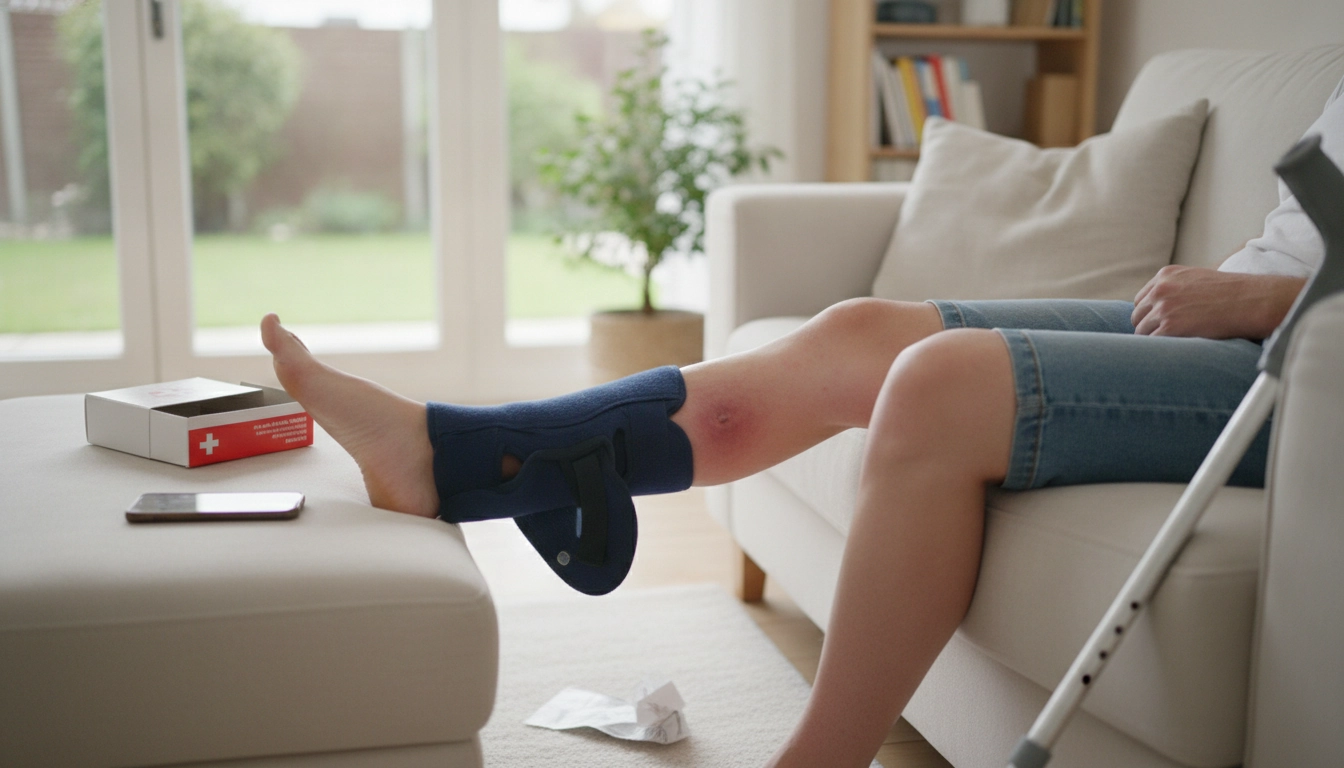
When should you not wear knee support?
Knee supports can reduce discomfort, add warmth, and help you feel steadier during activity, but there are times when wearing one is a bad idea or should be delayed until you’ve been checked by a clinician. A brace that’s “fine for most people” can still worsen certain injuries or create new problems if it’s the wrong type or fit.
Don’t wear a knee support when you have severe or unexplained symptoms
Skip the brace and get medical care first if you have intense pain, a visible deformity, inability to bear weight, a knee that’s “locked” and won’t straighten, sudden major swelling, numbness/tingling below the knee, or a cold/pale foot. These can signal a fracture, major ligament injury, meniscus tear, or circulation/nerve issue where delaying evaluation can make outcomes worse.
Avoid bracing over skin problems or poor circulation
Don’t wear knee support over open wounds, stitches that aren’t cleared for compression, active rashes, or skin infections. If you have diabetes-related neuropathy, peripheral artery disease, or a history of circulation problems, compression can be risky—use only with medical guidance and frequent skin checks.
Don’t use knee support if it changes your mechanics or causes pain elsewhere
If the brace makes you limp, increases pain, or triggers new hip, ankle, or back discomfort, stop wearing it. A brace that slips, pinches behind the knee, leaves deep grooves, or causes numbness is often the wrong size or style and can irritate nerves and soft tissue.
Be cautious with “self-treatment” after acute injury
Right after an injury, a generic sleeve or strap may hide symptoms and encourage you to keep playing. If instability is present (buckling/giving way) or swelling is rapidly increasing, prioritize evaluation and appropriate immobilization rather than pushing through with a support.
For a deeper look at brace types, fit, and when to choose a sleeve vs. hinged support, visit this knee support brace guide.
FAQ
How do I choose the right knee support for sports?
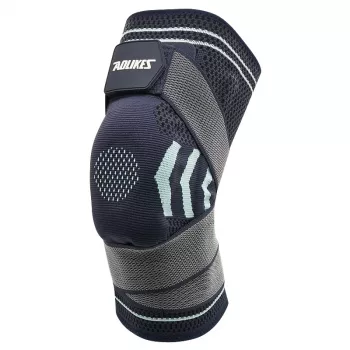
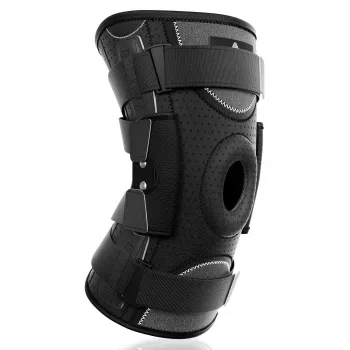
Match the brace to your goal: a sleeve for warmth/light compression, a strap for patellar tendon pain, or a hinged brace for more stability. Fit matters—measure carefully and avoid anything that slips or causes numbness.














Leave a comment